

Phim lẻ
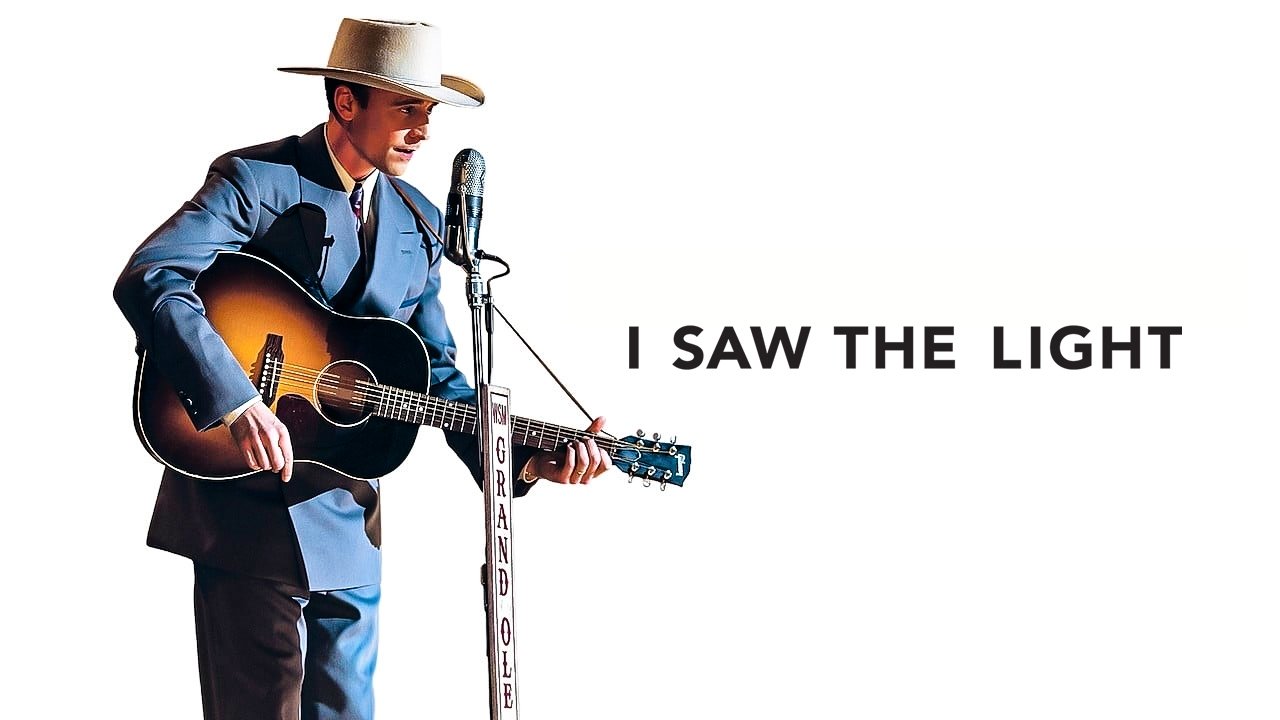
Tôi Đã Thấy Ánh Sáng
I Saw the Light
Nội dung
Ca sĩ kiêm nhạc sĩ Hank Williams nổi tiếng vào những năm 1940, nhưng việc lạm dụng rượu và ngoại tình đã ảnh hưởng đến sự nghiệp và cuộc hôn nhân của ông với nhạc sĩ đồng nghiệp Audrey Mae Williams.
Thông tin sản xuất
February 5, 2016
Ngày phát hành
$13,000,000
Ngân sách
$1,646,788
Doanh thu
Truy cập website
Website chính thức
United States of America
Region (US)

Bron Studios
CA

RatPac Entertainment
US
Đạo diễn
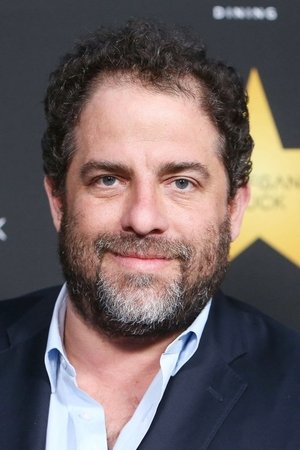
Brett Ratner
Female
Diễn viên
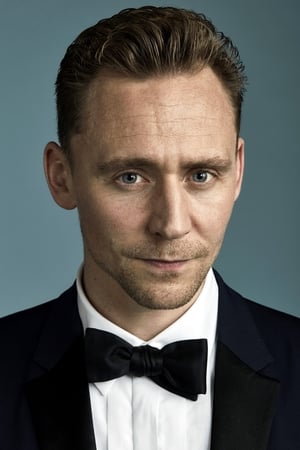
Tom Hiddleston
Hank Williams

Elizabeth Olsen
Audrey Mae Williams
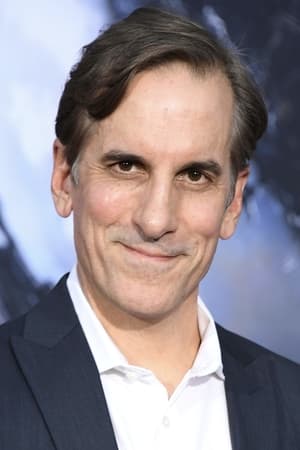
Wayne Péré
Toby Marshall
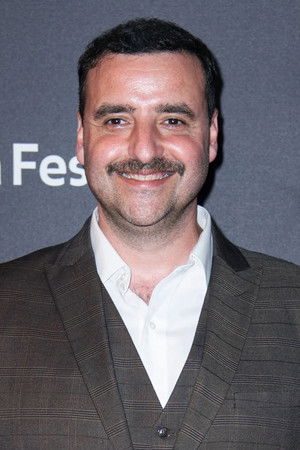
David Krumholtz
James Dolan
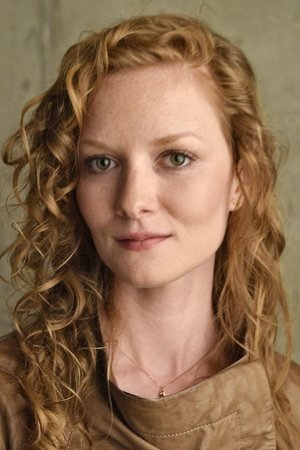
Wrenn Schmidt
Bobbie Jett
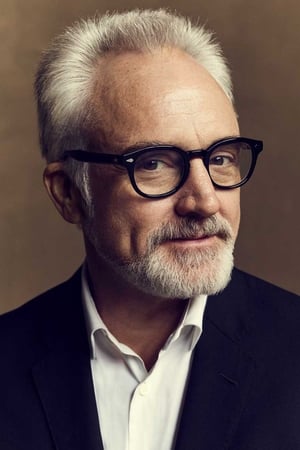
Bradley Whitford
Fred Rose
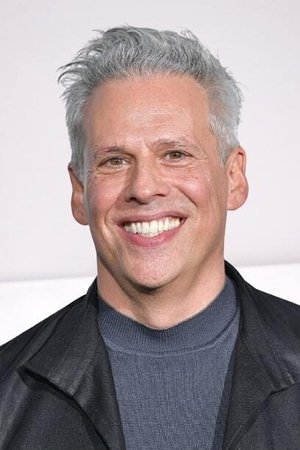
Josh Pais
Dore Schary
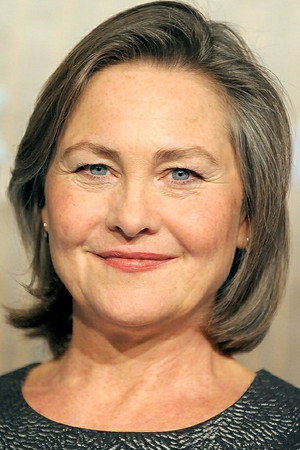
Cherry Jones
Lillie Williams
James DuMont
WB Nowlin
Joe Chrest
Oscar Davis

Charlie Talbert
Cliff Rogers

Maddie Hasson
Billie Jean
Cory Hart
Back Pain Doctor

Caroline Hebert
Ellie
Justin Lebrun
Concert attendant

Casey Bond
Jerry Rivers

Joshua Brady
Sammy Pruett
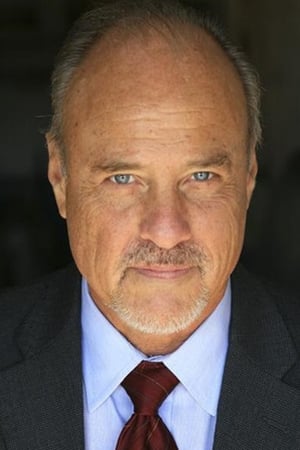
Elliott Grey
Banker

Emily Marie Palmer

Jeff Caperton
Campbell
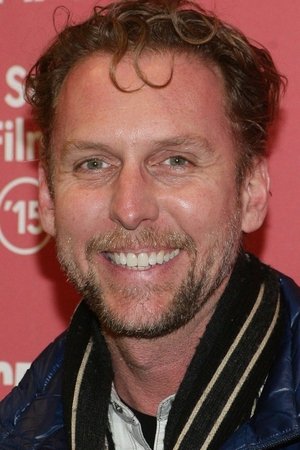
Jayson Warner Smith
Hank Snow

Denise Gossett
Mrs. Jones

Gary Teague
Pedestrian
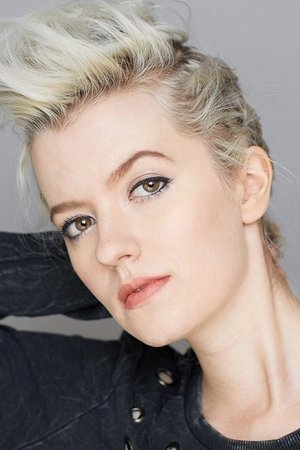
Skyler Davenport
Hospital Nurse / MGM Pedestrian

Rebecca Chulew
Performer / Hotel Bar Patron

Douglas M. Griffin
Howard Pill

Gretchen Koerner
Bar Waitress

Bryan Hall
Musician
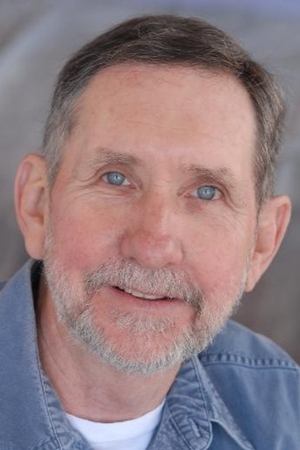
Richard Jackson
Boyette

Amanda Joy Erickson
Patron

Cody Daniel
Ronald

Deadra Moore
Mrs. Ragland

Joe Manco
NYC Pedestrian (uncredited)
Trailer
Phim tương tự cho bạn

Taylor Swift : The Eras Tour - Show Kết Màn
Taylor Swift | The Eras Tour | The Final Show

8.9 | Âm Nhạc

Muôn Kiểu Giáng Sinh Cùng Anh Em Nhà Jonas
A Very Jonas Christmas Movie
5.9 | Hài Hước • Âm Nhạc

One Shot Cùng Ed Sheeran
ONE SHOT with Ed Sheeran
7.7 | Âm Nhạc

Justin Timberlake và The Tennessee Kids
Justin Timberlake a + the Tennessee Kids
7.6 | Âm Nhạc

Hương Vị Của Cô Ấy
Her Smell
5.9 | Tình Cảm • Phiêu Lưu

The Weeknd: Buổi Diễn Trực Tiếp Ở Sân Sofi
The Weeknd: Live at SoFi Stadium
7.9 | Âm Nhạc

Lizzo: Đêm Diễn Trực Tiếp
Lizzo: Live in Concert
6.3 | Âm Nhạc

Lyle, Chú Cá Sấu Biết Hát
Lyle, Lyle, Crocodile
6.1 | Hài Hước • Âm Nhạc

Linh Hồn Ngày Giáng Sinh
Spirited
6.6 | Hài Hước • Âm Nhạc

Autumn Beat
Autumn Beat
6.4 | Âm Nhạc • Chính kịch

Scrooge: Bài hát Giáng sinh
Scrooge: A Christmas Carol
6.2 | Âm Nhạc • Gia Đình

Blues của ca sĩ jazz
A Jazzman's Blues
6.8 | Âm Nhạc • Chính kịch

Cuộc Phiêu Lưu Trên Đường Rộng Của Blue
Blues Big City Adventure
6.2 | Hài Hước • Âm Nhạc

Nhạc Trưởng Tár
Tar
7.4 | Âm Nhạc

Cây Sáo Thần
The Magic Flute
5.6 | Viễn Tưởng • Phiêu Lưu

Whitney Houston: I Wanna Dance with Somebody
Whitney Houston: I Wanna Dance with Somebody
6.6 | Âm Nhạc • Chính kịch

Ray Parker: Bài hát của Biệt đội săn ma
Who You Gonna Call?
7.5 | Âm Nhạc • Tài Liệu

Lewis Capaldi: Cảm giác của tôi lúc này
Lewis Capaldi: How I'm Feeling Now
7.3 | Âm Nhạc • Tài Liệu
Tôi Đã Thấy Ánh Sáng
I Saw the Light
5.8 | Âm Nhạc • Chính kịch

Những Kẻ Khờ Mộng Mơ
La La Land
8.0 | Hài Hước • Âm Nhạc

Văn hóa Chicano ở LA
LA Originals
7.2 | Âm Nhạc • Tài Liệu

Magic Mike XXL
Magic Mike XXL
5.6 | Hài Hước • Âm Nhạc

Whiplash
Whiplash
8.5 | Âm Nhạc

Lemonade Mouth
Lemonade Mouth
6.9 | Hài Hước • Âm Nhạc
Screens & Gallery


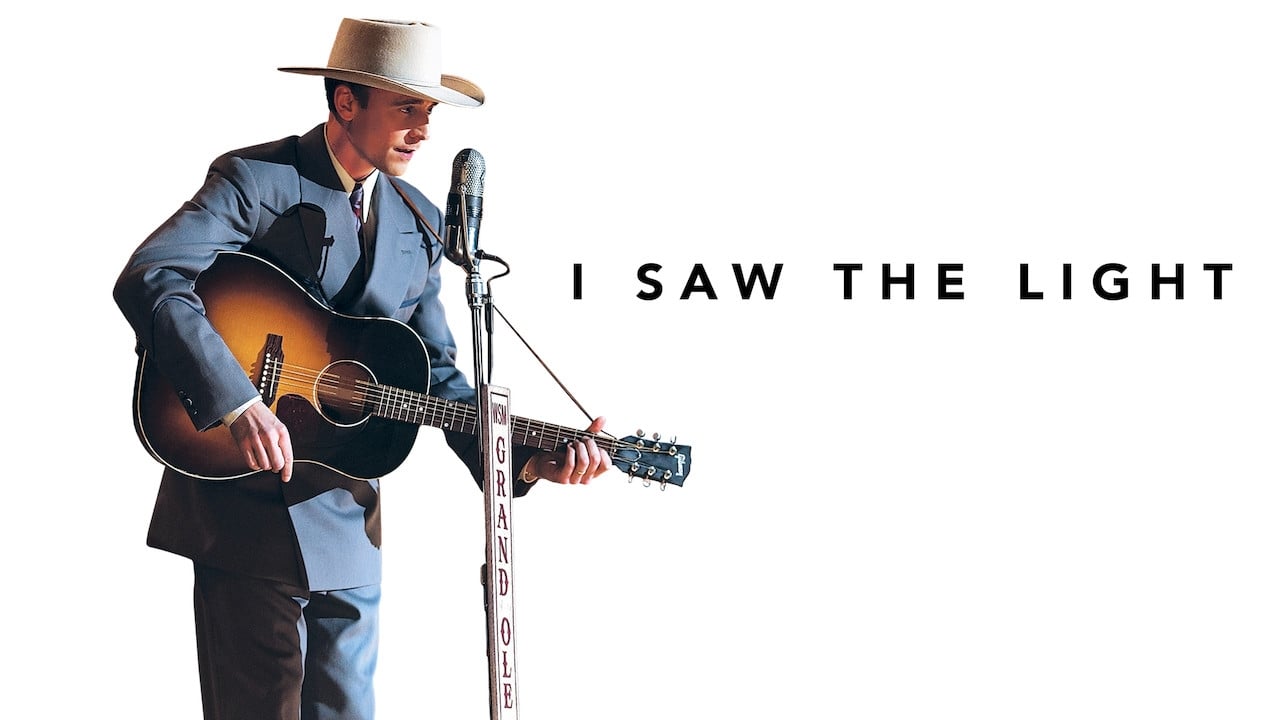
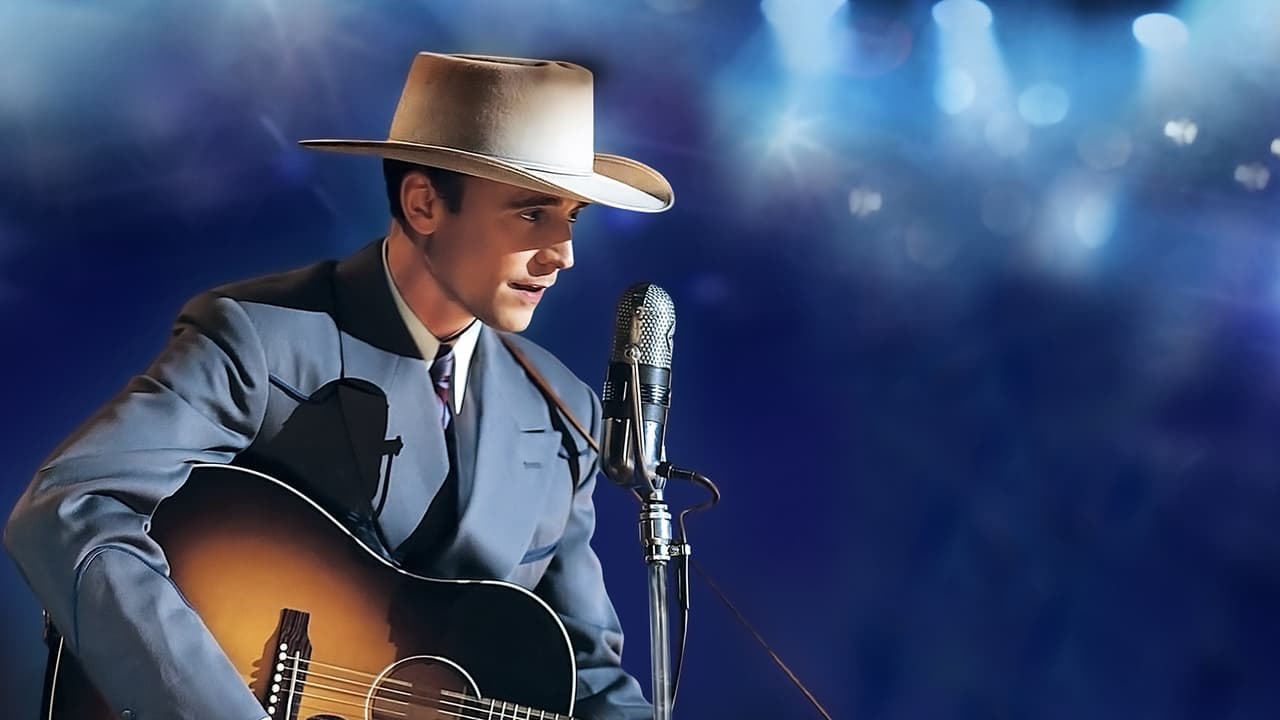
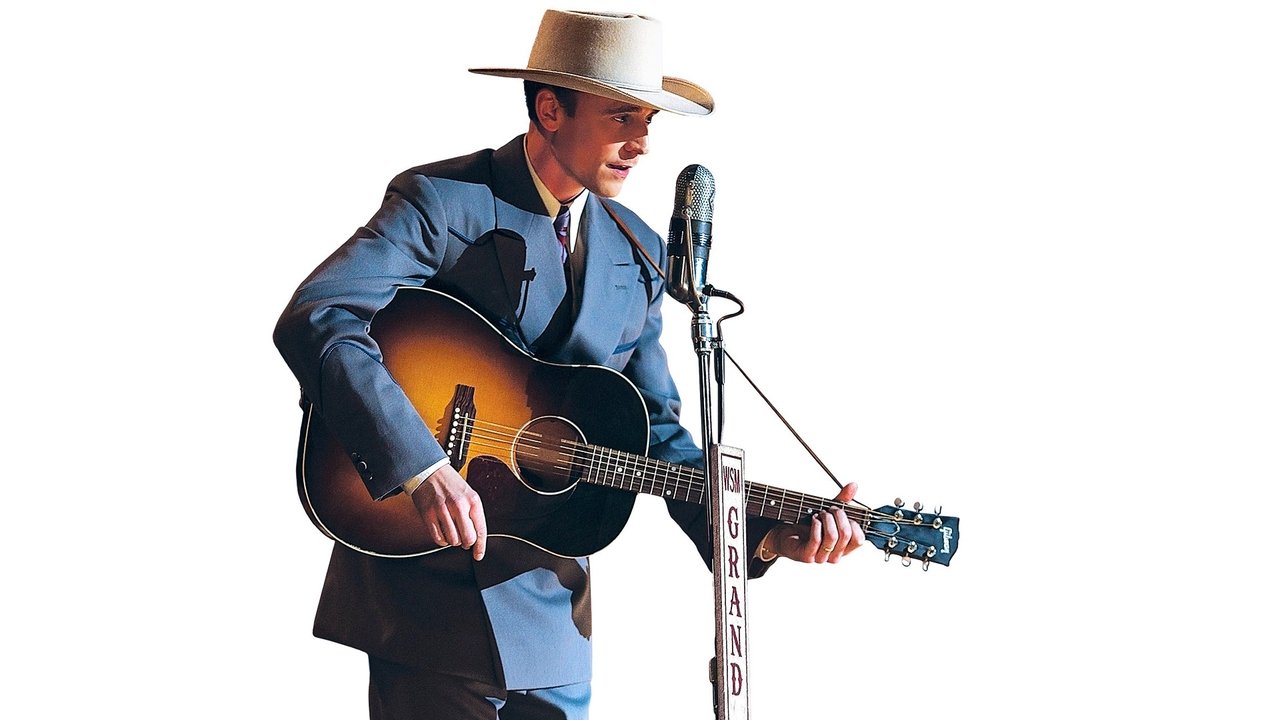

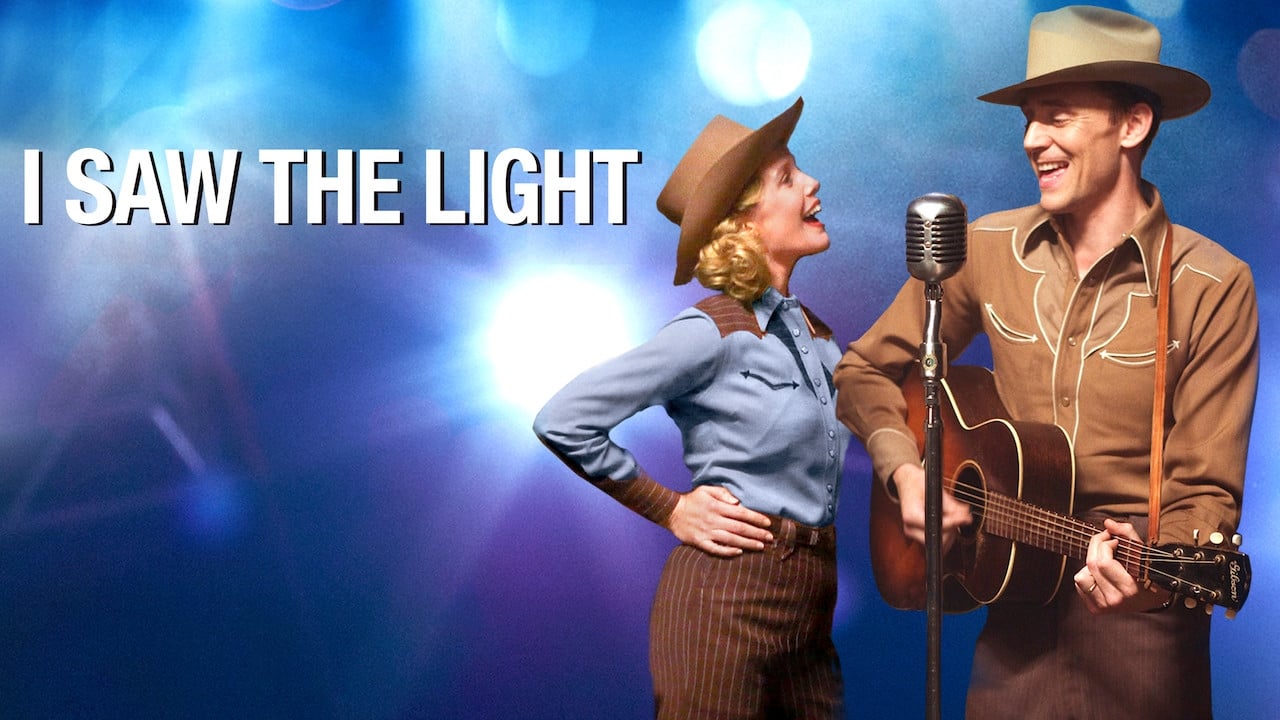

International Critic Reviews

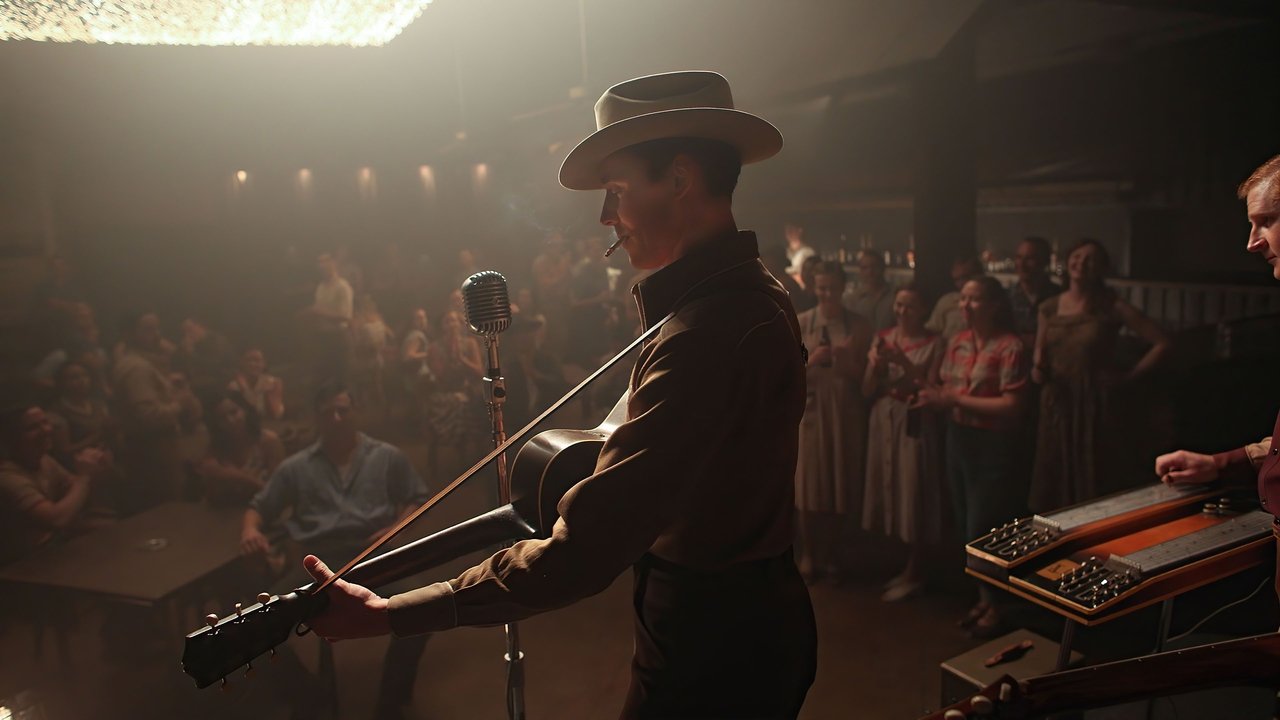
In theory this had loads to recommend it. A young man who captivated the USA with his music, an handsome and charismatically flawed gent who lived his life to the full, philandered, cheated and drank... How, then, did Marc Abraham manage to turn all that into a stodgy television movie? The ever easy on the eye Tom Hiddleston takes the title role and does precisely nothing with it. His mimicry of the style of performing - that slightly chicken-strutting jig he did whilst singing, works well enough but otherwise this is a shallow and lacklustre characterisation. Williams could never have been called a loyal man and the women who featured prominently here - wife Audrey (Elisabeth Olsen), Bobbie (Wrenn Schmidt) and Billie Jean (Maddie Hasson) have precious little to work with to add much depth to this puddle of a biopic. It has a go at creating a documentary feel to it, incorporating some monochrome (and monotone) contributions from Bradey Whitford's version of producer Fred Rose and there is plenty of toe-tapping - especially the fiddlers, but at just over the two hour mark this is a ponderously feeble effort to enliven a man by an actor who spent way too much time in wardrobe and nowhere near enough trying to imbue the subject with personality. "Walk the Line" (2005) it isn't.

I Saw the Light (2015) opens with what appears to be archival footage of a record executive explaining why he liked Hank Williams: Hank didn’t care whether people liked him or not. An interesting observation, perhaps, but it raises a question the film never answers: if Hank didn’t care whether people liked him, why should we care whether this guy or anyone else did or didn’t? After the opening credits, we’re introduced to Hank Williams (Tom Hiddleston) and Audrey Williams (Elizabeth Olsen) on their wedding day. Both actors feel fundamentally miscast. Hiddleston occasionally has to remind us that Hank was supposed to be a young man — at one point claiming that “the last time I checked,” he was 23. Yeah, but how long ago was that? The bigger problem is that it’s difficult to see Hank and Audrey at all. The Marvel baggage is impossible to ignore even for non-Marvel fans such as myself. Rather than watching country music royalty tie the knot, it feels like the Scarlet Witch leaving Vision to elope with Loki. There’s trouble in paradise early on. Hank informs Audrey that both her cooking and her singing need “ketchup.” I don’t know about the former, but the latter criticism is deserved. The film deliberately portrays Audrey as a talentless and delusional aspiring singer, while Hank’s treatment of her ranges from supportive white lies to brutal honesty to outright condescension. Their arguments escalate into accusations that Hank is”crushing” Audrey’s dreams. They separate, and Audrey’s legal counsel unloads a catalogue of complaints: alcoholism, womanizing, a violent temper, erratic behavior, financial irresponsibility. The film acknowledges some of these flaws. Hank is rarely seen without a bottle in his hand, briefly enters and exits what appears to be rehab (they might as well show him quitting cold turkey), and flirts and eventually sleeps with a random chick named Ellie. Yet I Saw the Light seems strangely reluctant to commit to its own criticisms. Audrey’s accusations are repeatedly undercut by her constant nagging, as though the filmmakers want to acknowledge Hank’s vices while simultaneously reassuring us that his future ex-wife is exaggerating out of spite. For instance, to counter Audrey’s claim that Hank is profligate, the film promptly clarifies that she was the one who ran up a massive furniture bill. The lesson appears to be that “women can be vengeful when they are not on your side.” Fortunately for Hank, they reconcile just in time for the couple to conceive a child. Nine months later, Audrey gives birth. I know that’s how it works; what I mean is that the movie simply skips the entire pregnancy. That’s when I realized Audrey barely exists when Hank isn’t onscreen. If she weren’t based on a real person, you’d suspect she was an alcohol-induced hallucination. Incidentally, at some point Hank is diagnosed with spina bifida occulta, a revelation the film treats less as a medical condition than as a convenient all-purpose explanation for his addiction problems. The film’s title comes from a song Hank sings to his newborn child roughly halfway through the film. If the kid is that light Hank saw, that reinforces the impression that Audrey’s primary narrative function was to serve as the mechanism through which Hank became a father. Hank relapses shortly afterward, so perhaps he unsaw the light? The couple conceive a second child, but Audrey unilaterally chooses to terminate the pregnancy and blames the decision on Hank. They divorce and Hank moves on to a woman named Billie Jean, who talks like this: “I may just be a Bossier City kid, but I got enough sense to know you’re trouble, and you’re gonna tear me up.” The line sounds like like it would have been right at home in Walk Hard: The Dewey Cox Story. Either way, Hank dies before he gets the chance to prove her right. His death is announced from the stage where he was scheduled to perform. The audience and musicians spontaneously break into a rendition of “I Saw the Light.” For a man supposedly indifferent to other people’s opinion, the closing scenes work overtime to convince us how beloved he was by people who never knew him. That may explain why we learn so little about Hank himself. Like many biopics, I Saw the Light mistakes a chronology for a character study. Things happen. People come and go. Children are born. Records are sold. Then Hank dies. The story stops because his life stopped, but it doesn’t really conclude. Most frustratingly, the film offers almost no insight into his artistry. Asked about his songwriting, Hank dismisses his own creative process thus: “I write what I write and sing what I sing because that’s what I do.” Yes — but how? The film never appears interested in finding out. The light may be on, but nobody’s home.