

Phim lẻ
Quốc Bảo
Kokuho
Nội dung
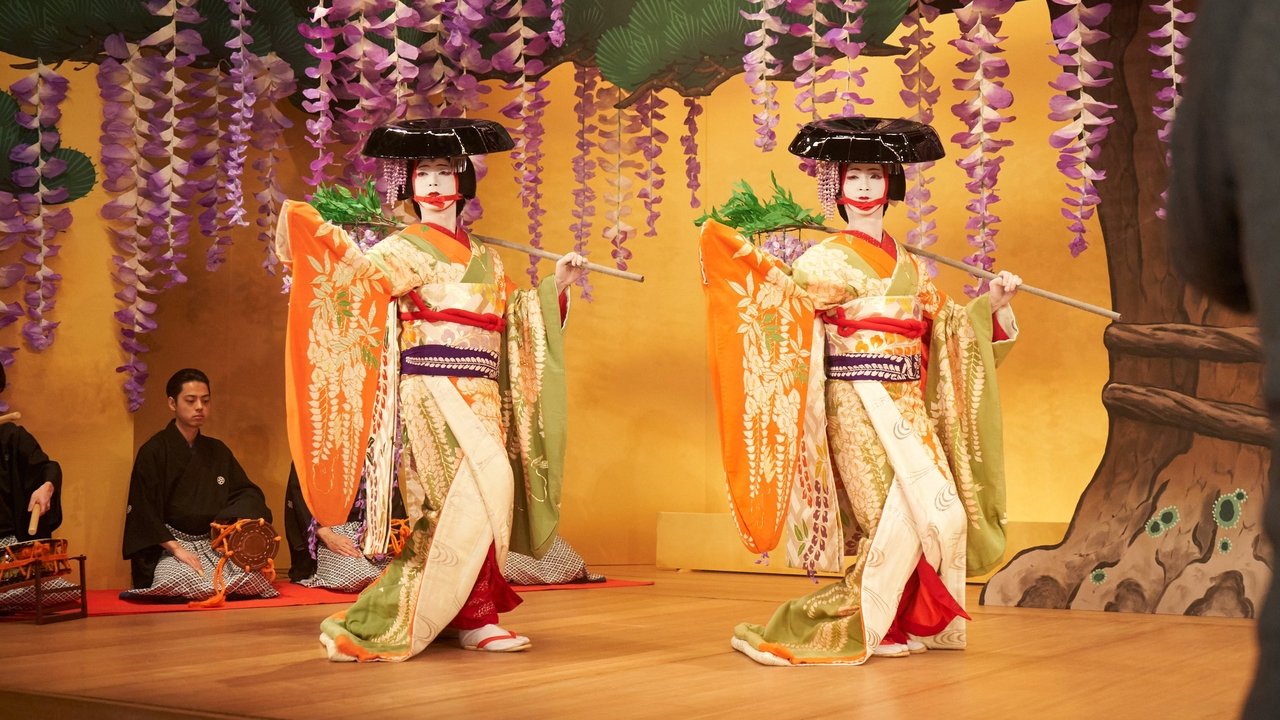
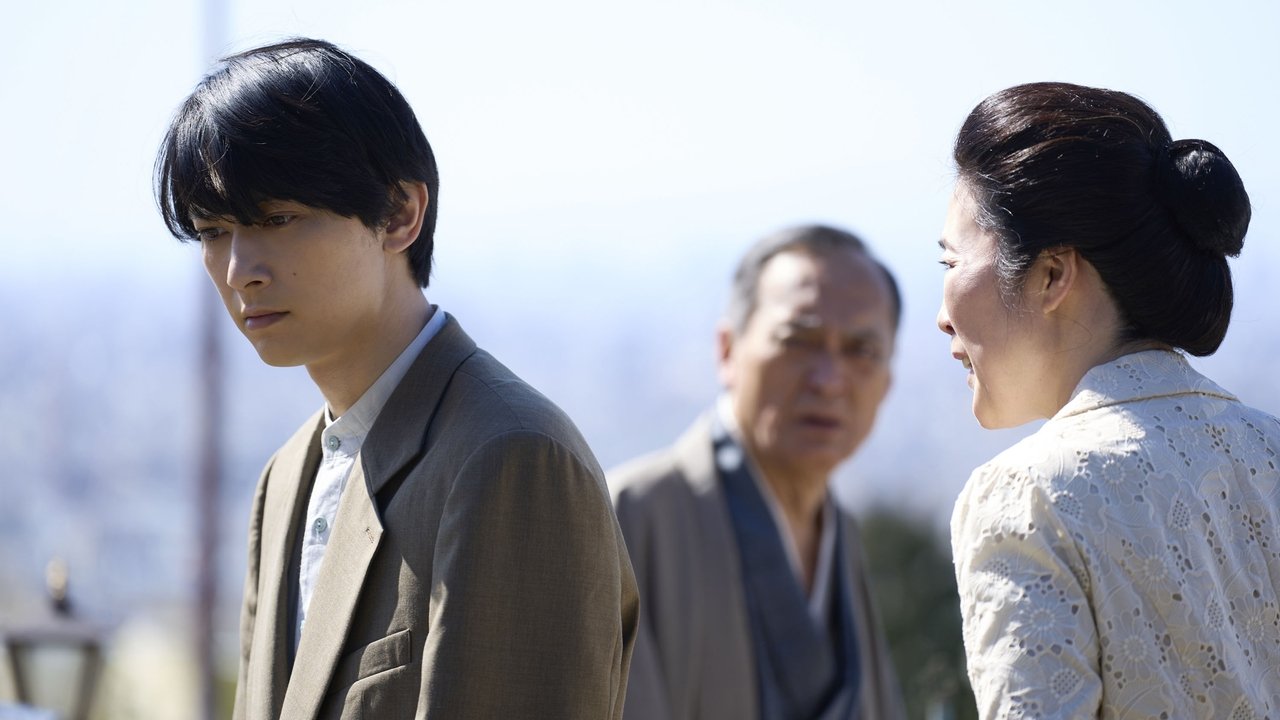
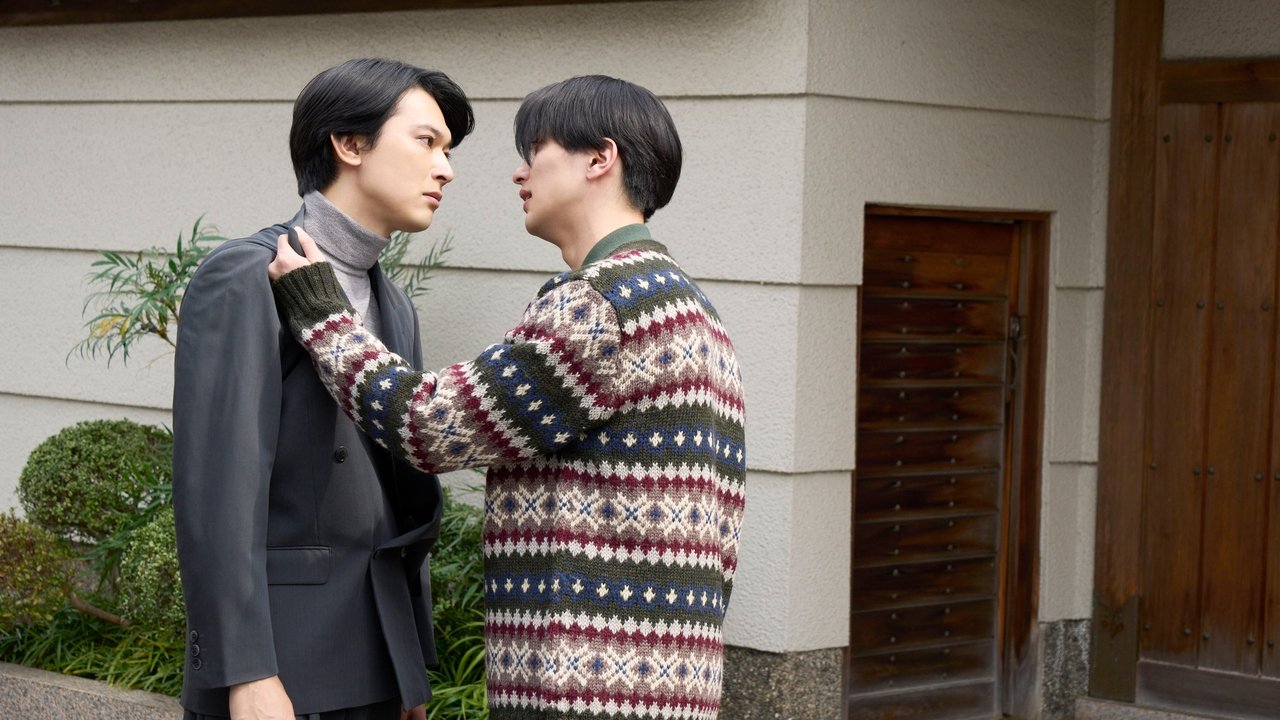
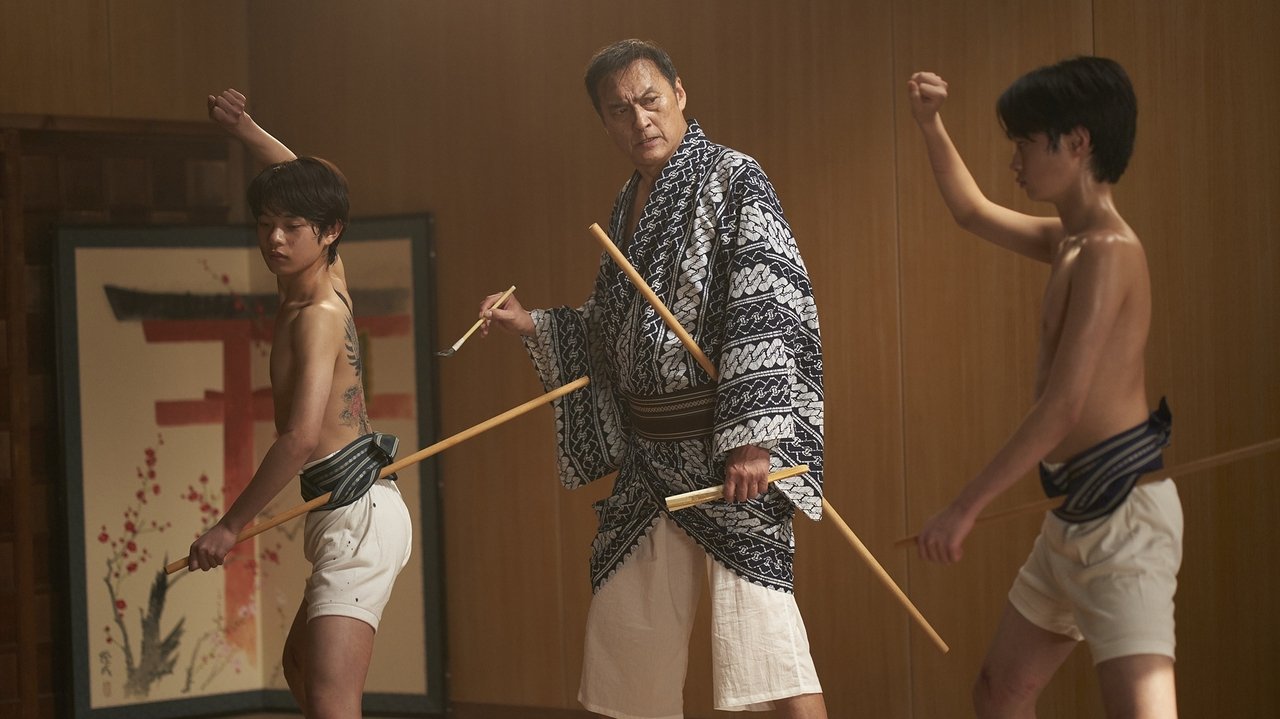
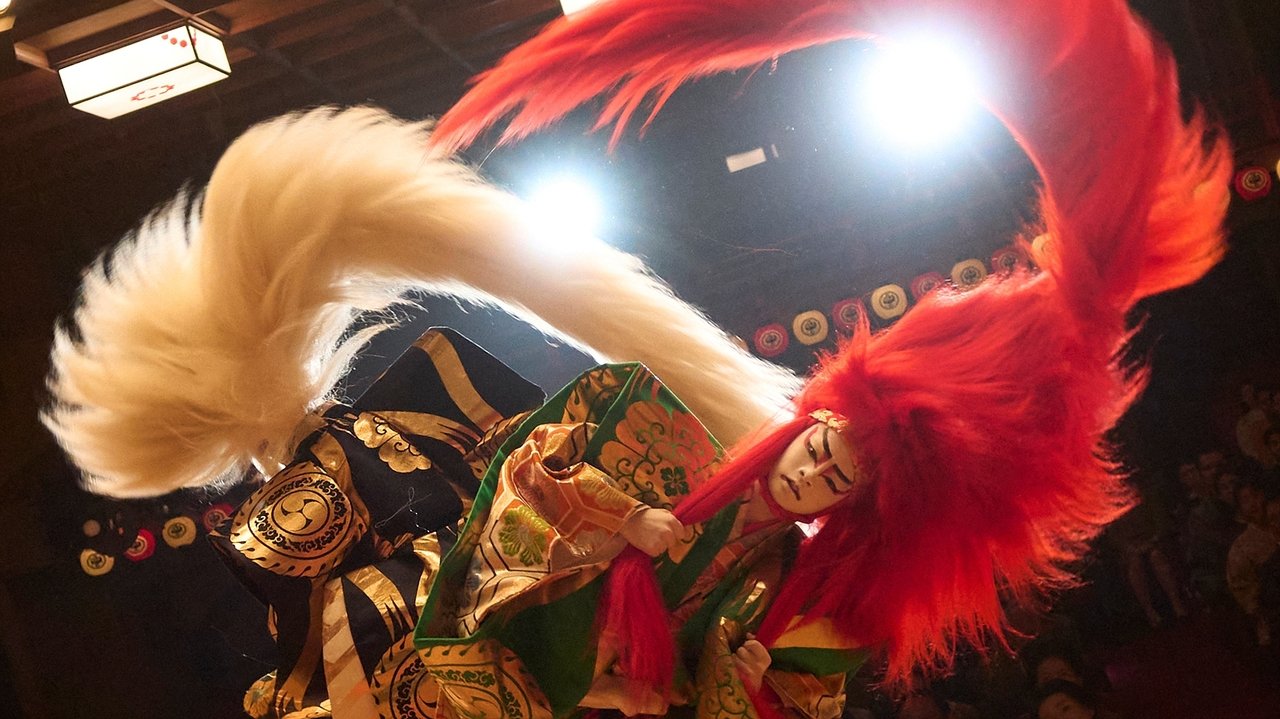
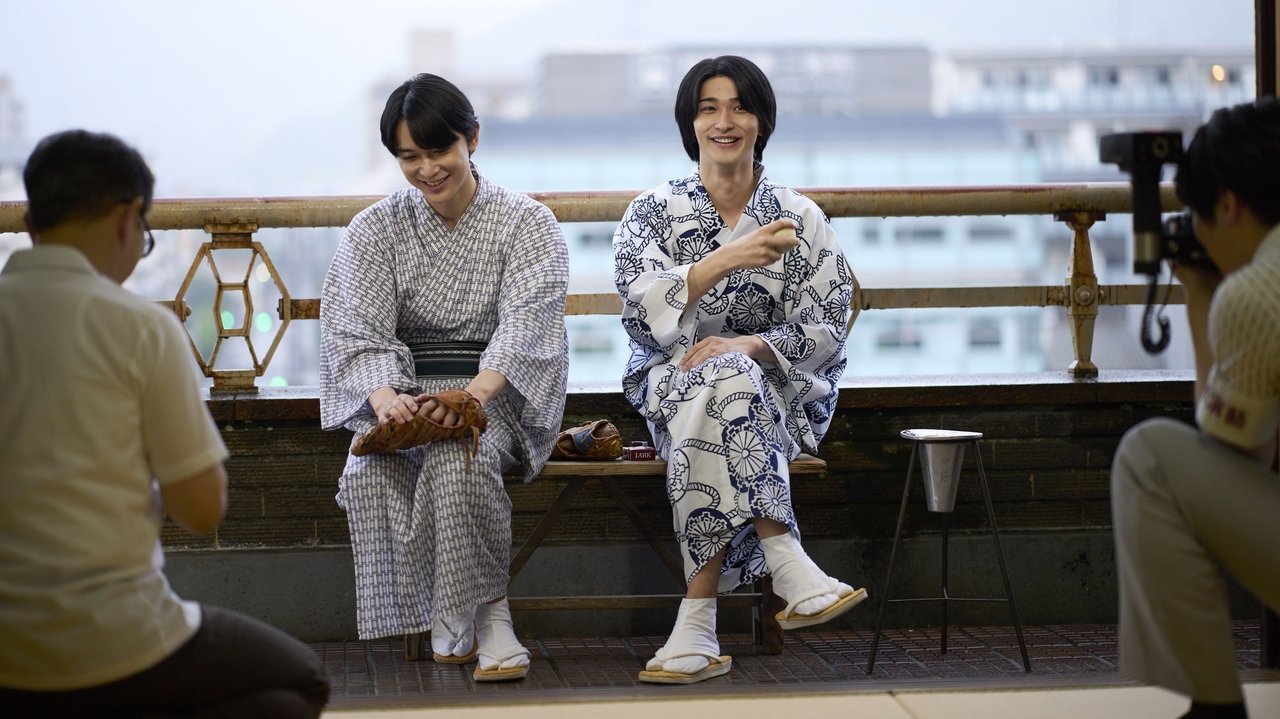
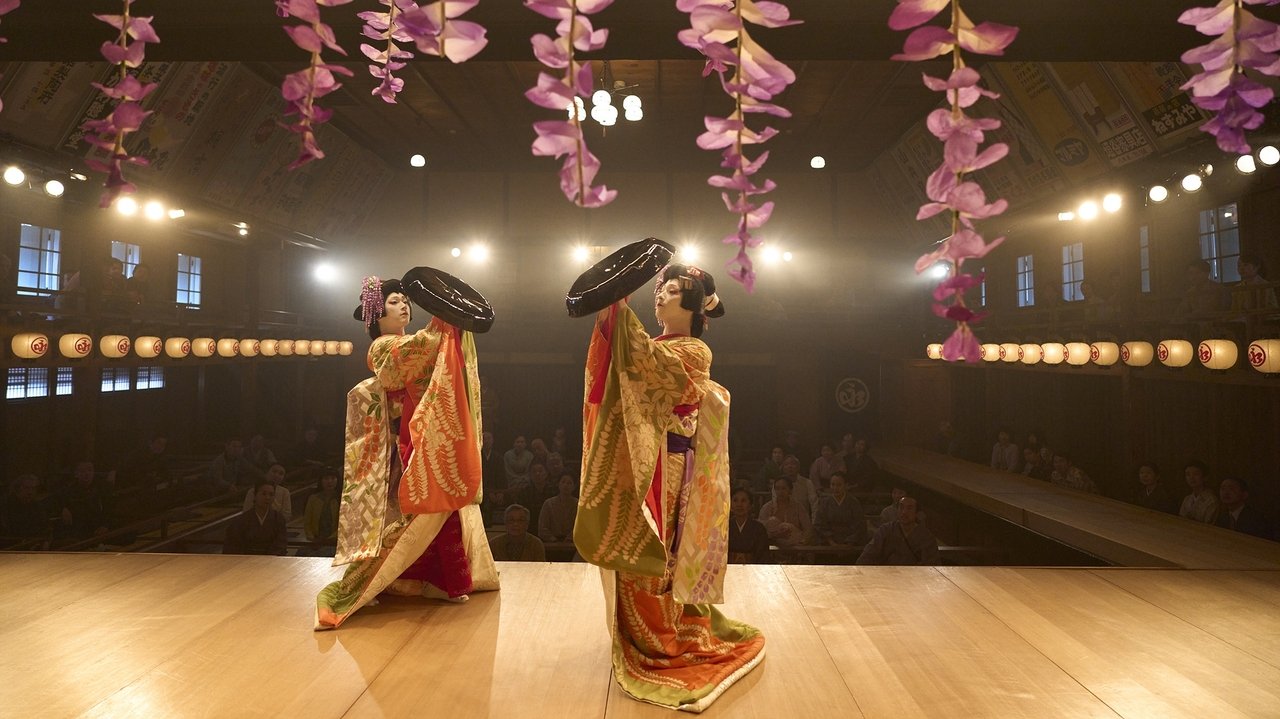
Nagasaki năm 1964, sau cái chết của người cha thuộc băng yakuza, cậu thiếu niên 15 tuổi Kikuo (Ryo Yoshizawa) bỗng được một diễn viên kabuki nổi tiếng nhận về nuôi dạy. Trong căn nhà tràn ngập tiếng trống và ánh đèn sân khấu, Kikuo lớn lên cùng Shunsuke (Ryusei Yokohama) – con trai duy nhất của người nghệ sĩ ấy. Từ những buổi tập khắc nghiệt đến những lần biểu diễn đầu đời, cả hai cùng bước vào thế giới kabuki – nơi danh vọng, truyền thống và cảm xúc hòa trộn thành một dòng chảy mãnh liệt.Khi năm tháng trôi qua, con đường của họ dần tách ra: một người kiên định theo đuổi nghệ thuật thuần túy, người kia lại bị cuốn vào những toan tính và định kiến của thời đại. Giữa ánh hào quang sân khấu Nhật Bản, câu chuyện về tình bạn, gánh nặng di sản và khát vọng trở thành bậc thầy kabuki được khắc họa với chiều sâu và sức nặng của lịch sử.
Thông tin sản xuất
June 6, 2025
Ngày phát hành
$8,000,000
Ngân sách
$134,421,151
Doanh thu
Truy cập website
Website chính thức
Japan
Region (JP)

TOHO
JP

Aniplex
JP

Myriagon Studio
JP

CREDEUS
JP

AMUSE
JP

Lawson
JP
Đạo diễn
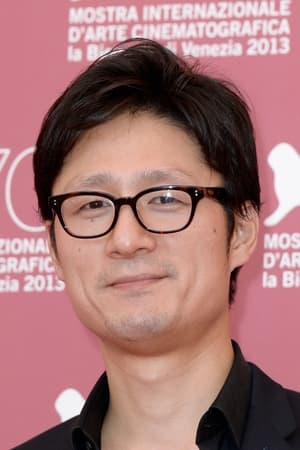
Sang-il Lee
Female
Diễn viên

Ryo Yoshizawa
Kikuo Tachibana

Ryusei Yokohama
Shunsuke Ogaki

Mitsuki Takahata
Harue Fukuda

Shinobu Terajima
Sachiko Ogaki
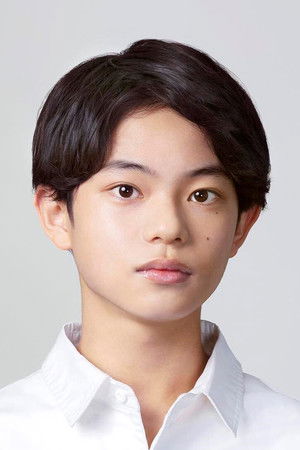
Soya Kurokawa
Kikuo (young)
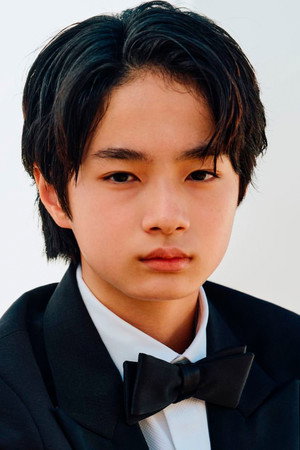
Keitatsu Koshiyama
Shunsuke (young)
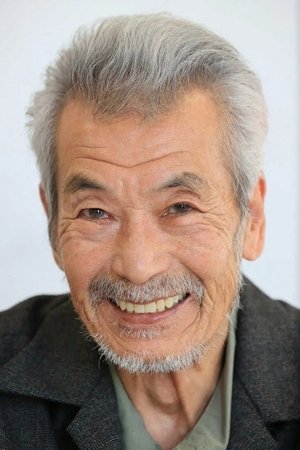
Min Tanaka
Mangiku Onogawa
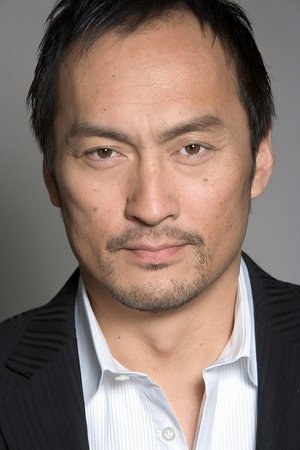
Ken Watanabe
Hanjiro Hanai

Nana Mori
Akiko
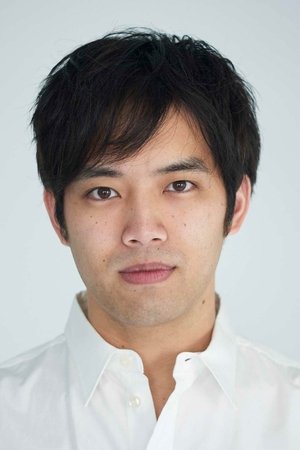
Takahiro Miura
Takeno

Ai Mikami
Fujikoma
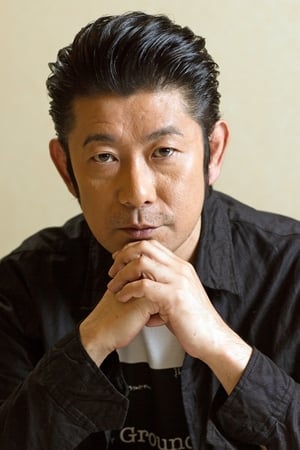
Masatoshi Nagase
Gongoro Tachibana
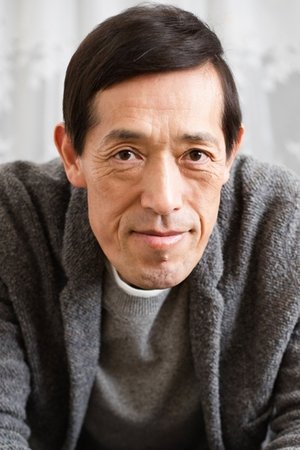
Kyusaku Shimada
Umeki

Emma Miyazawa
Matsu Tachibana

Kumi Takiuchi
Ayano (adult)
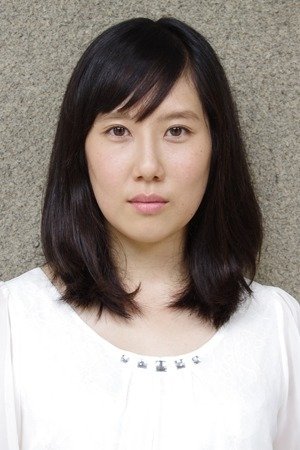
Misa Wada
Maid

Nagiko Tsuji
Maid
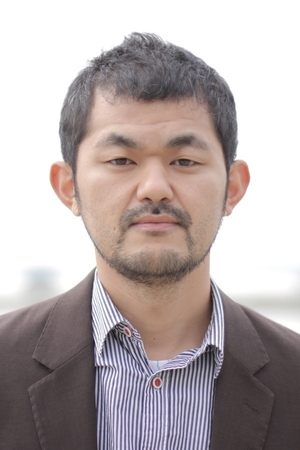
Tateto Serizawa
Gen
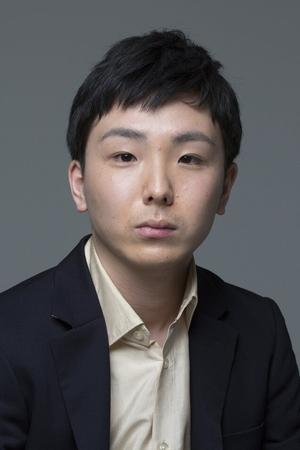
Yusaku Mori
Trailer
Phim tương tự cho bạn

Hero's Island
Hero's Island

8.0 | Chính kịch

Tokyo Taxi
Tokyo Taxi
7.3 | Chính kịch

Hirugao
Hirugao
5.9 | Chính kịch

Desert of Namibia
Desert of Namibia
6.5 | Chính kịch

If Cats Disappeared from the World
If Cats Disappeared from the World
6.8 | Chính kịch

5 Centimet Trên Giây
5 Centimeters per Second
8.1 | Chính kịch

Cảnh đồi mờ xám
A Pale View of Hills
6.7 | Chính kịch

Unreachable
Unreachable
8.7 | Chính kịch

Blazing Fists
Blazing Fists
3.0 | Hành Động • Chính kịch

La La La Ở Nơi Tận Cùng
La La La at Rock Bottom
6.5 | Hài Hước • Chính kịch

Chuyện Bếp Samurai - Một Tình Yêu Thật Sự
A Tale of Samurai Cooking
6.7 | Chính kịch

Hiệp Sĩ Mặt Nạ: Revice Hậu Truyện
Revice Forward: Kamen Rider Live & Evil & Demons
7.5 | Hành Động • Phiêu Lưu

Orgies of Edo
Orgies of Edo
6.1 | Kinh Dị • Chính kịch

Ultraman Arc: Ánh Sáng Và Ác Quỷ Đối Đầu
Ultraman Arc the Movie: The Clash of Light and Evil
7.8 | Hành Động • Viễn Tưởng

Hiệp Sĩ Mặt Nạ: Bộ Tam Tội Lỗi
Kamen Rider Saber: Trio of Deep Sin
8.8 | Hành Động • Viễn Tưởng
Quốc Bảo
Kokuho
7.9 | Chính kịch

Đây Chính Là Tôi
This Is I
6.0 | Chính kịch

Năm Mươi Sắc Thái Đen
Fifty Shades Darker
4.6 | Chính kịch

Hai người yêu nhau
Two Lovers
2.0 | Kinh Dị • Chính kịch

Ánh nhìn của một chàng trai xinh đẹp
The Gaze of a Beautiful Boy
2.0 | Chính kịch

Tiệc Quái thú dưới ánh trăng
Beasts Under the Moon
2.0 | Chính kịch

Bí quyết cho làn da mịn màng
The Secret to My Silky Skin
4.6 | Chính kịch

Gửi đến bạn âm nhạc của gió
Tea for Three
5.0 | Chính kịch

Nhà Ga Nuốt Chửng
Kisaragi Station Re:
5.7 | Kinh Dị • Chính kịch
Screens & Gallery

International Critic Reviews

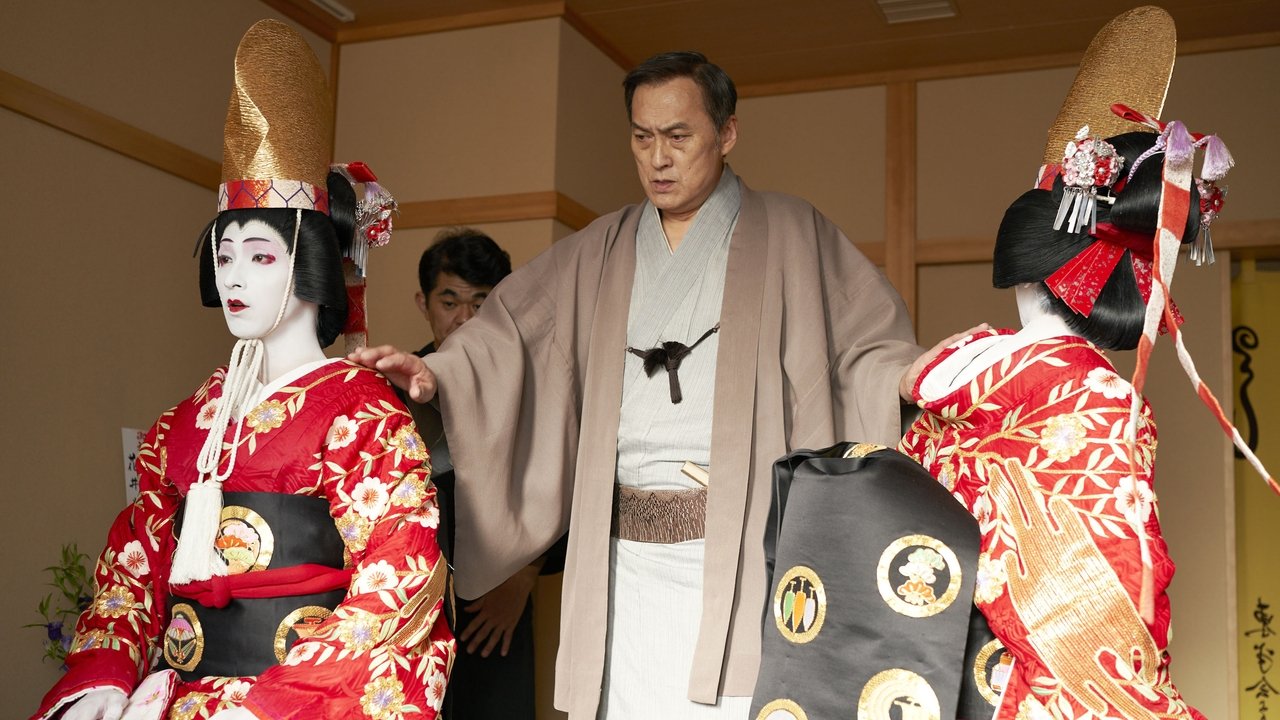
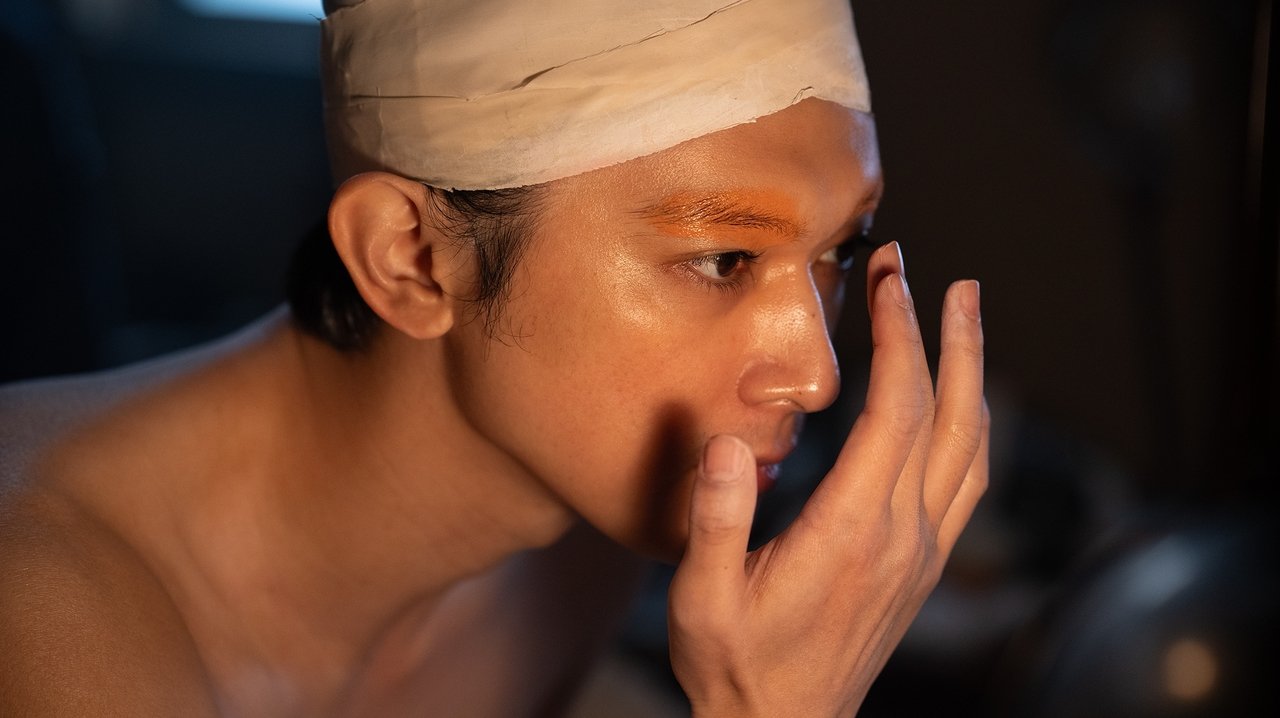
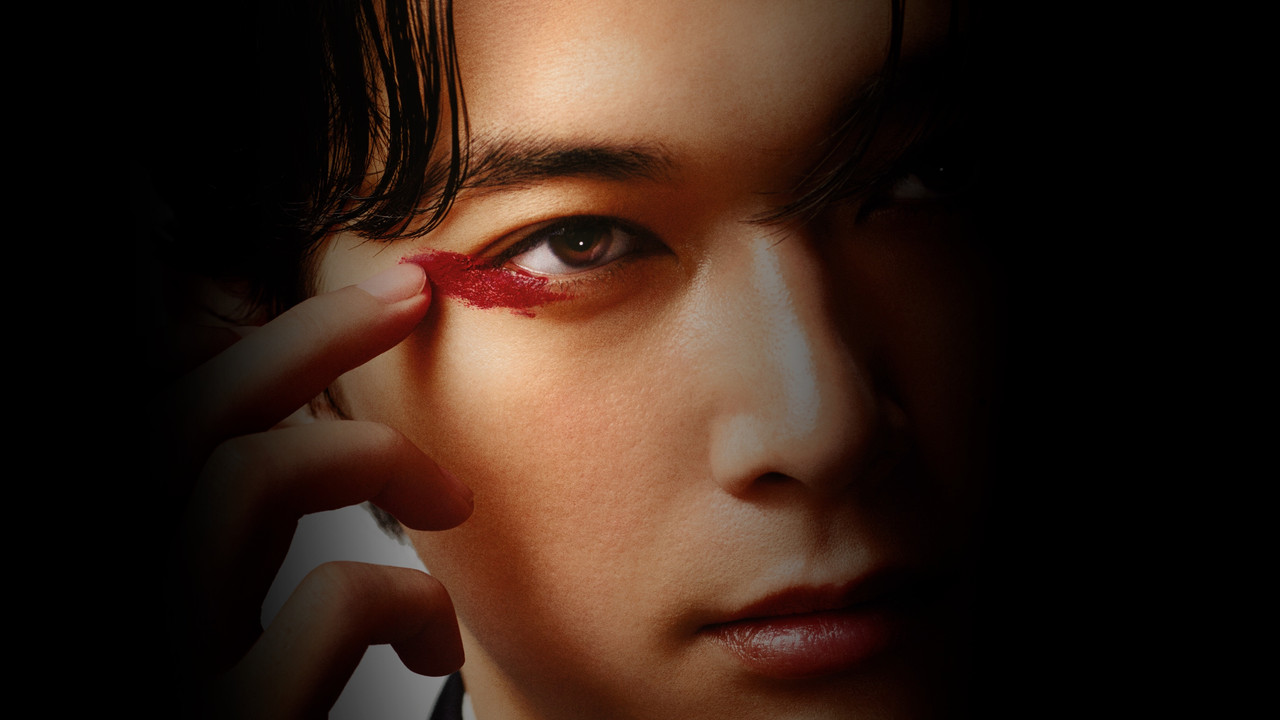
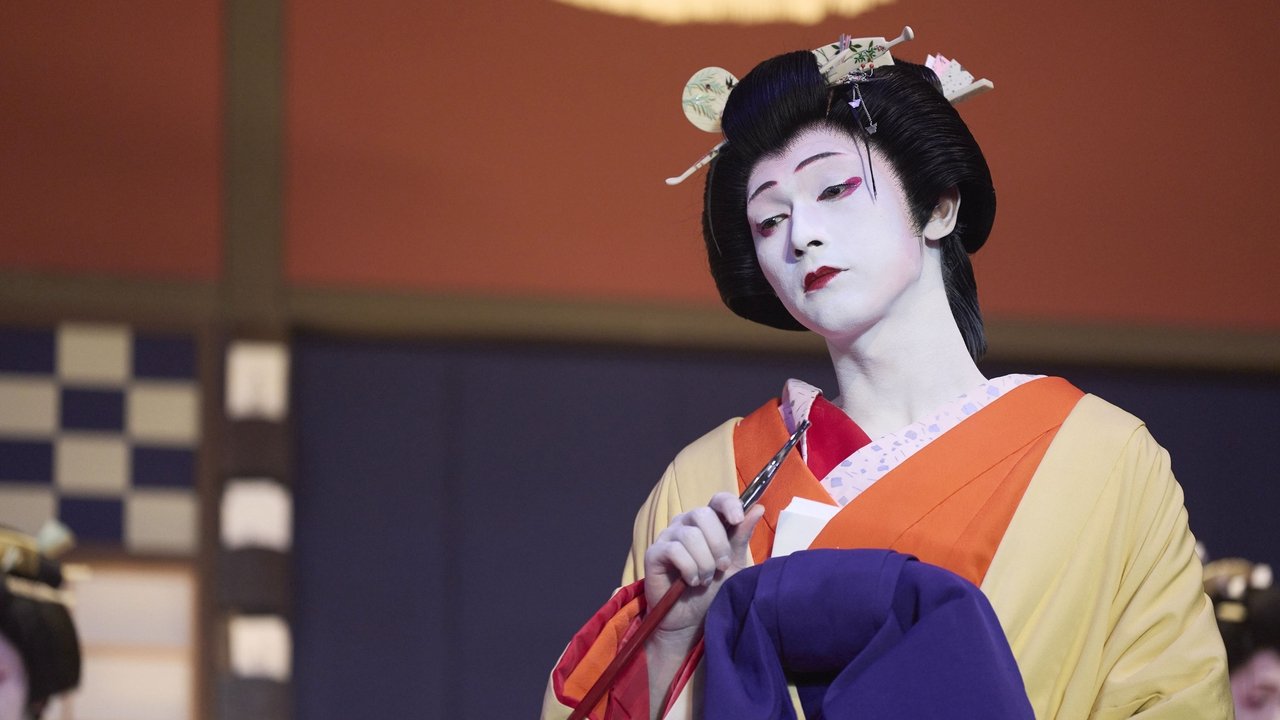
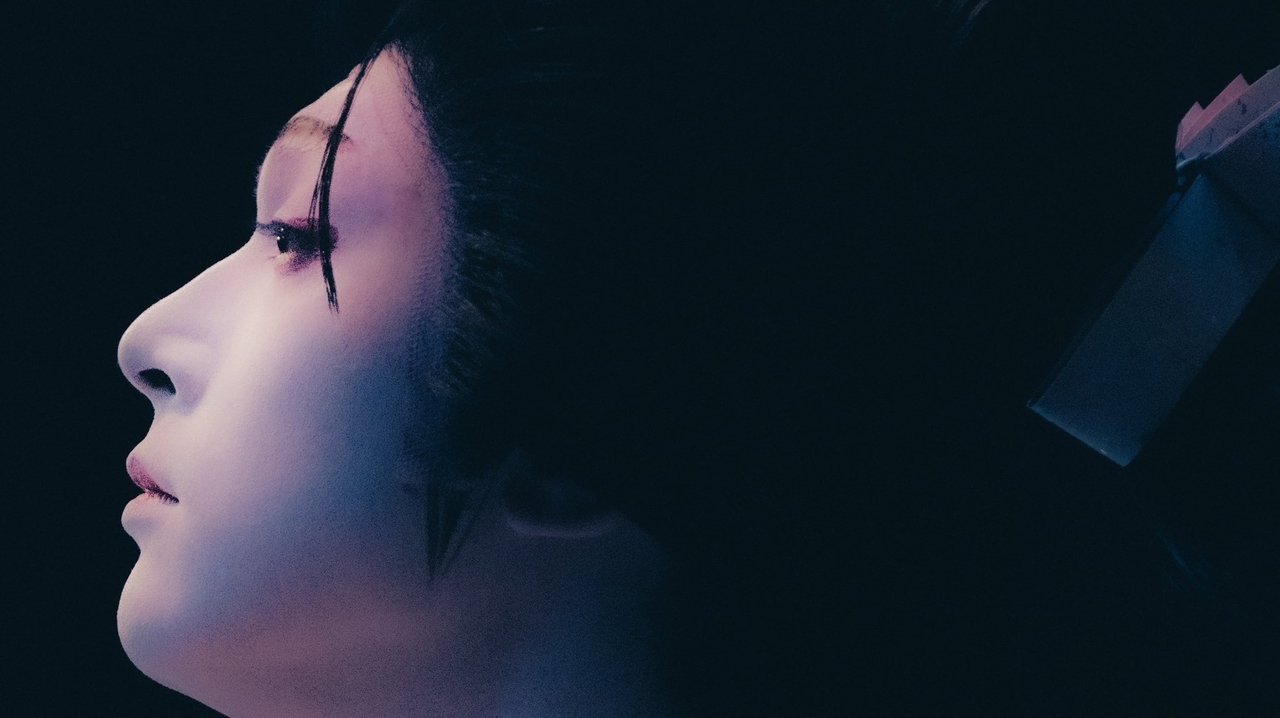
First of all, I want to thank Feat Pictures for bringing this magical, lavish, and grand Japanese film to Indonesia. I genuinely couldn’t take my eyes off the screen while watching it. One of my favorite aspects is how carefully the film handles its use of music knowing exactly when to bring in the score and when to let silence take over. Moments of quiet often make the atmosphere hit even harder, and it’s rare to see that level of restraint and precision. It honestly feels like a shame that the film only received an Oscar nomination for makeup. So many of its technical elements deserved recognition, especially the original score and the stunning cinematography. The close-up shots are particularly beautiful. In my opinion, the film was seriously snubbed in the Best International Feature Film category. On top of that, the drama between the two main characters is incredibly compelling, with a relationship dynamic that feels rich and well-developed.

When we first meet "Kikuo" (Soyo Murokawa) you get the distinct feeling that his Yakuza father isn't so impressed that he is performing as a kabuki actor at a luncheon. Well that doesn't matter for very long as that meeting is gatecrashed by a rival gang and the young man soon finds himself a fifteen year old orphan in the care of "Hanjiro" (Ken Watanabe) - himself reputedly the finest actor in all Japan. After a failed attempt to avenge his father, "Kikuo" (now Ryô Yoshizawa) and his now new brother "Shensuke" (Ryûsei Yokohama) overcome some initial hostility to become both friends and pupils of this most severe of taskmasters as he attempts to teach them the intricacies of his craft. Historically, the rise of this unique form of drama had drawn attention from the 18th century shogunate and for fear of it's corrupting effects on girls they had been banned from taking part - hence, just like in Shakespearean England a few centuries before, only men were allowed to participate. Luckily for both of these lads, they possess a certain femininity; a (painfully earned) litheness of limb and body and the ability to speak and sing in a falsetto so are soon quite successful as a double-act. When a tragedy strikes this family, though, it falls to the injured "Hanjiro" to select a successor. Whom he chooses really does matter as this form of performance is handed from father to son. If you are not the heir then you won't be accepted by the fraternity and this is where the first in a series of problems emerges for the two young men. One is the heir but isn't the best; one is the best but isn't the heir. When the choice is made, the relationship between "Kikuo" and "Shensuke" looks set to be changed irrevocably. Might time heal? First of all, this is a beautifully crafted piece of cinema with the use of light and the combination of traditional and more classically European music especially effective at presenting us with something of the almost visceral nature of their dedication to, and precision of, their art. Their plays are almost always tragedies: one sees a loving father choose to prove his devotion to his son by kicking him off a cliff; and here again the production design delivers both the costumes and the make up to perfection. Even though our Western ears are less atuned to this sort of musicality, their performances on stage are eerily enthralling and often downright sad. Away from the stage, there is a fair degree of ambition on display that often sees the women in their lives - and their children - end up as collateral damage as the peaks and troughs of both men's lives play out through the 1970s, 80s and nineties. I thought Yoshizawa's portrayal of "Kikuo" to be both convincing and engaging. His young man deprived of family, on the periphery of another and increasingly alone as he becomes more and more obsessed with being the best is compellingly presented and for much of the latter part, his relationship with the equally skilful Yokohama is touching to the point where it is almost as if one of their onstage efforts was seeping out into their reality. This is a beautiful cinematic exposé of an almost three-hundred year old form of stagecraft that is an effortless watch for it's almost three hours. It has intensity, opportunity, despair and even some gangrene (in the 1980s!) and if you are in the mood for something that has more of the operatic to it, then this is well worth a look. If you can find it in a cinema, then all the better. It's a love story - but not as you might expect.