

Phim lẻ
Mối Tình Đũa Lệch
Angst essen Seele auf
Nội dung
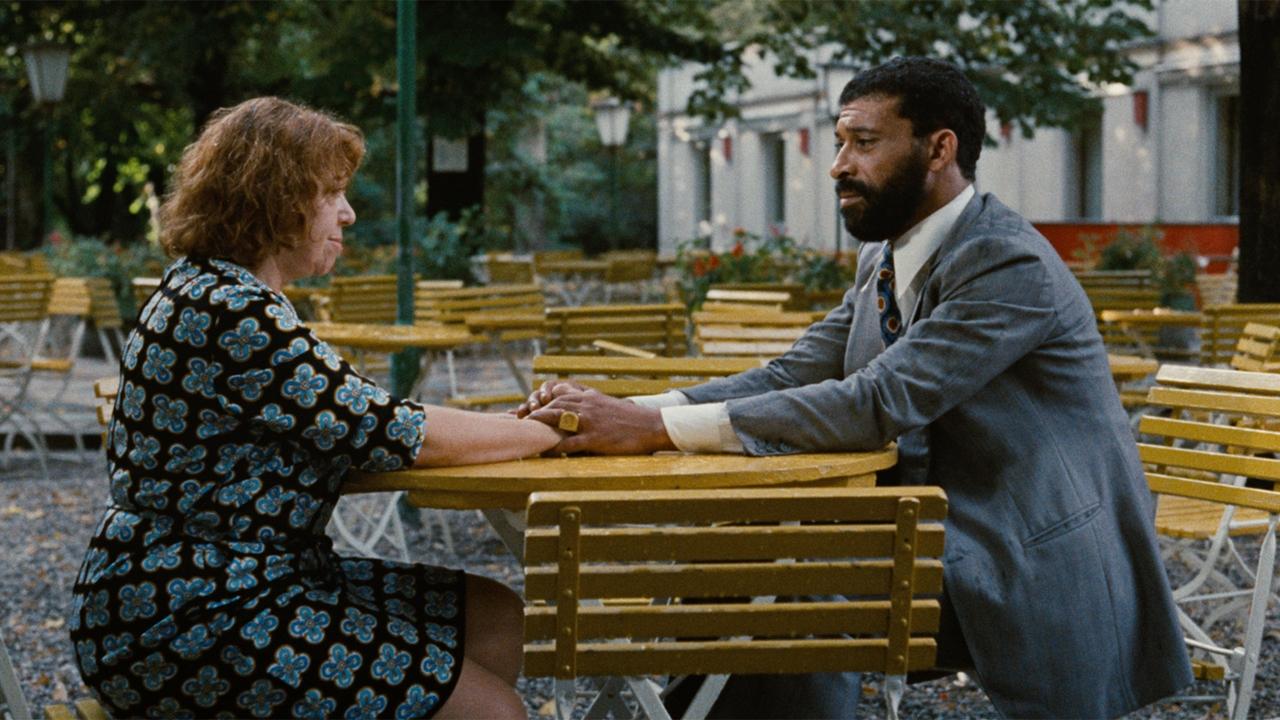
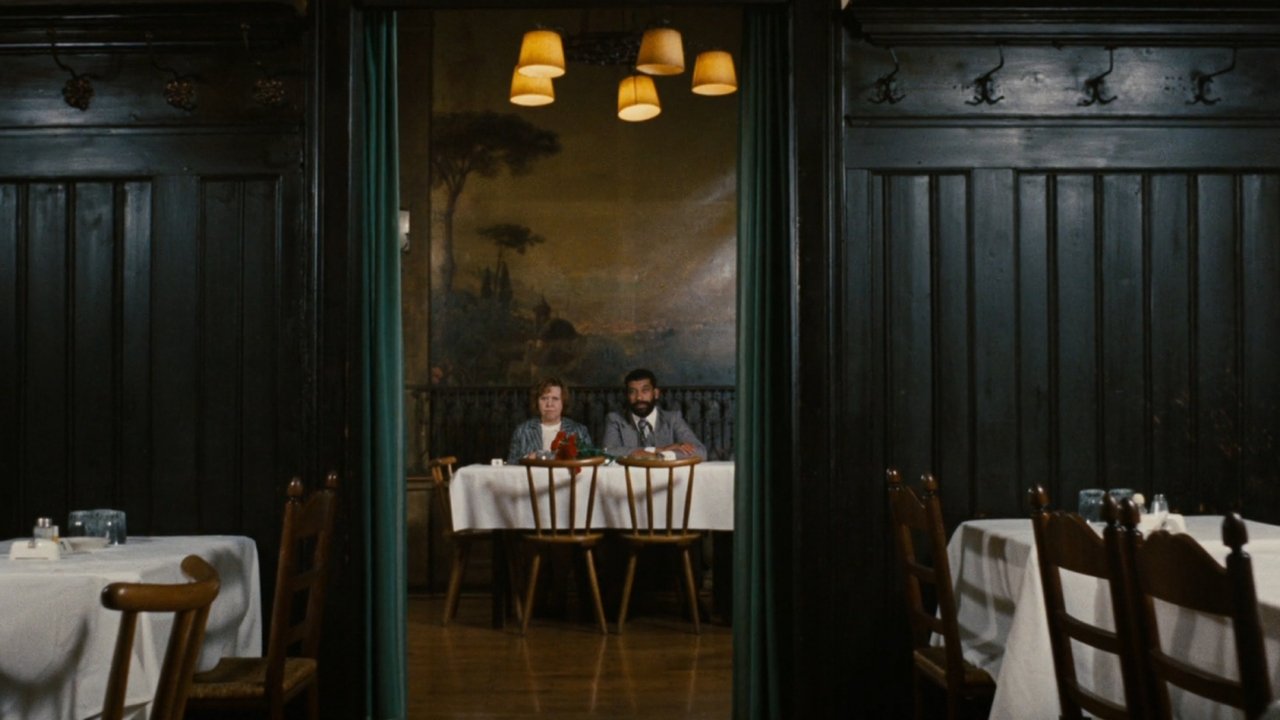
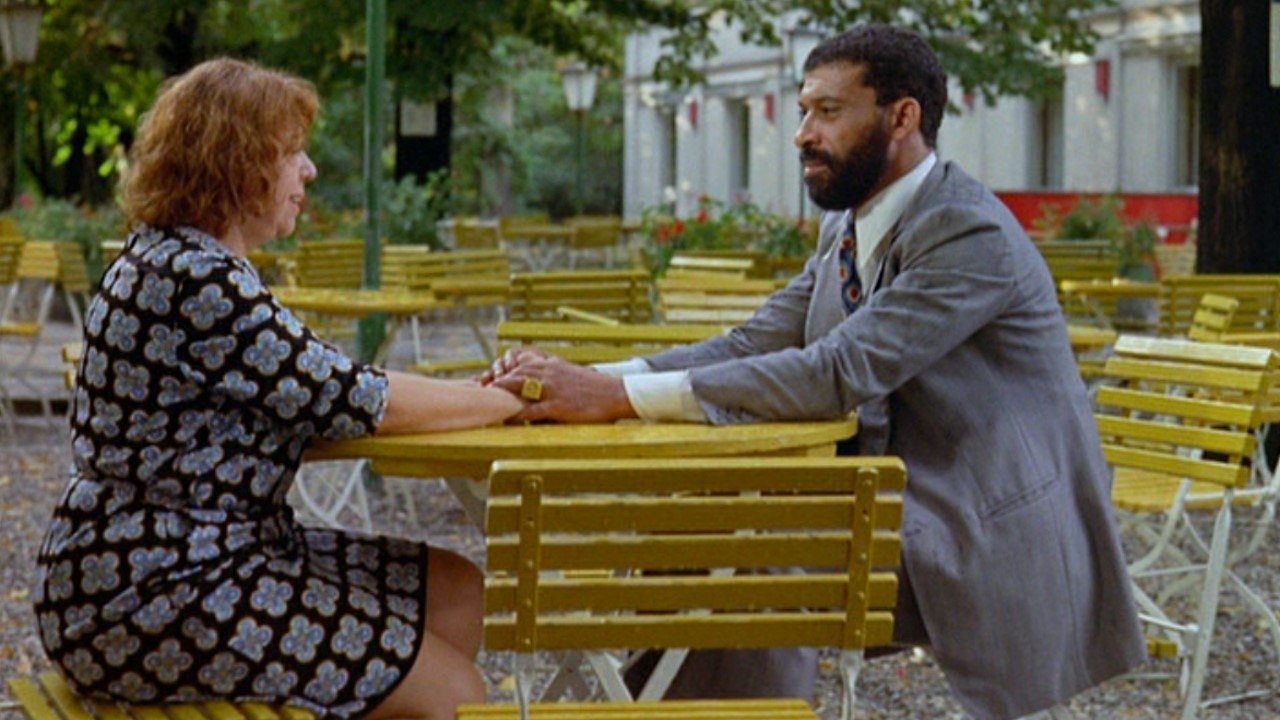
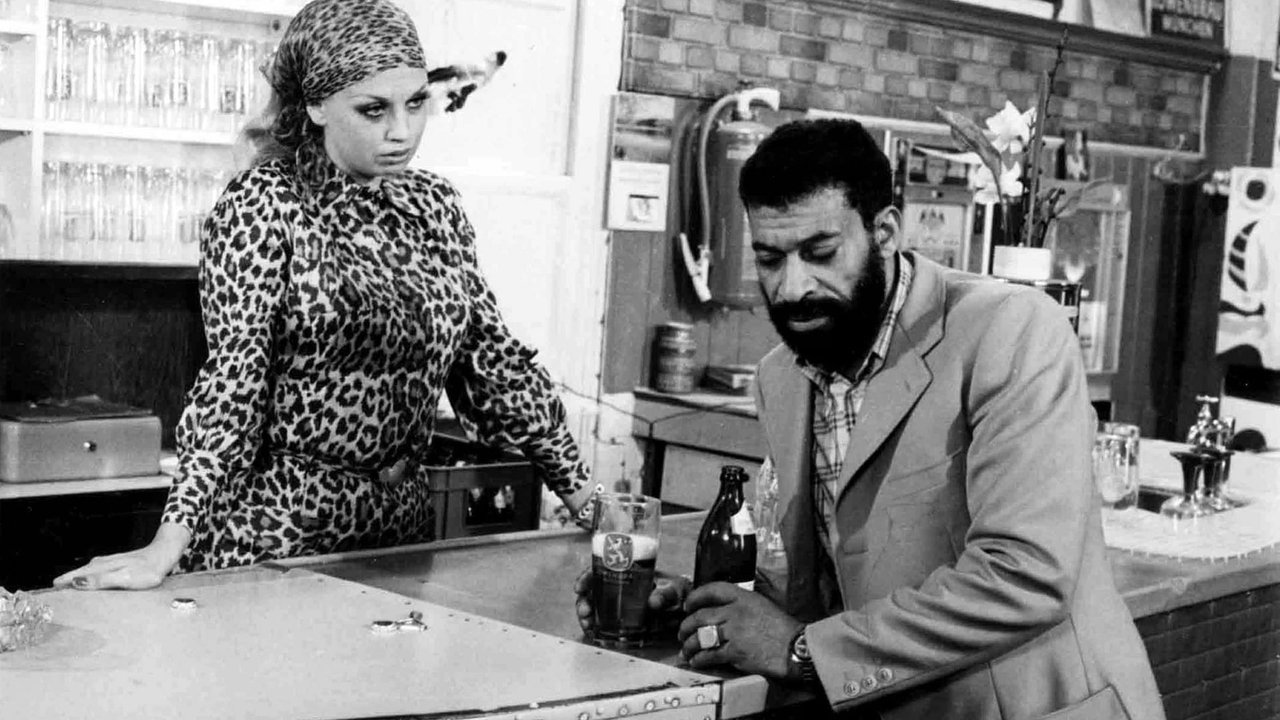
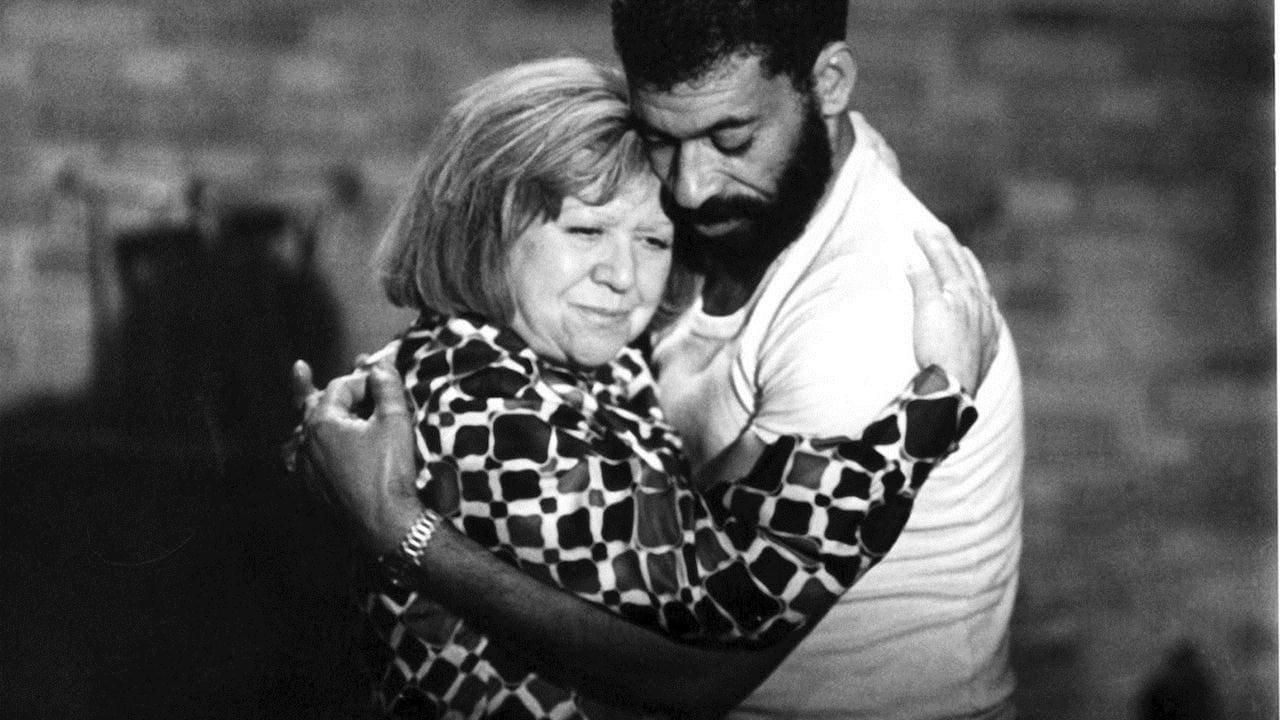
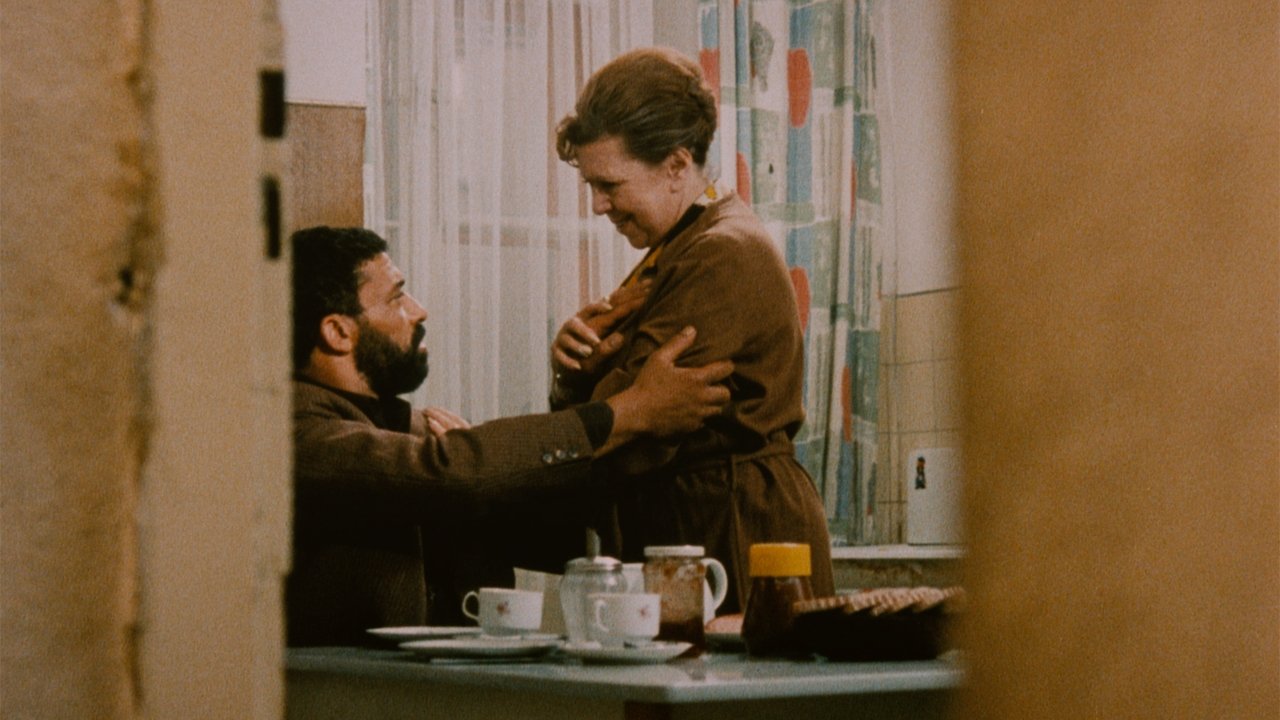
Emmi Kurowski, một phụ nữ dọn dẹp, cô đơn khi về già. Chồng bà qua đời nhiều năm trước, và những đứa con lớn của bà không có nhiều bạn đồng hành. Một đêm nọ, cô đến một quán bar có những người nhập cư Ả Rập lui tới và kết bạn với người thợ máy trung niên Ali. Mối quan hệ của họ nhanh chóng phát triển thành một thứ gì đó hơn thế nữa, và gia đình và hàng xóm của Emmi chỉ trích cuộc hôn nhân tự phát của họ. Chẳng mấy chốc Emmi và Ali buộc phải đối mặt với sự bất an của chính họ về tương lai của họ.
Thông tin sản xuất
March 5, 1974
Ngày phát hành
$130,000
Ngân sách
$186,757
Doanh thu
Germany
Region (DE)

Tango Film
DE
Filmverlag der Autoren
DE
Đạo diễn

Rainer Werner Fassbinder
Female
Diễn viên
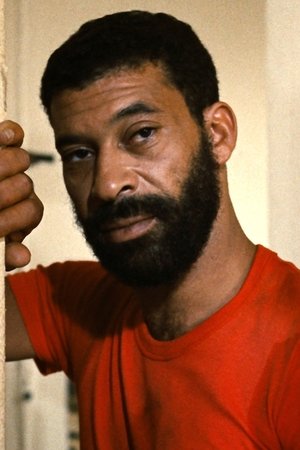
El Hedi ben Salem
Ali

Irm Hermann
Krista

Barbara Valentin
Barbara

Elma Karlowa
Mrs. Kargus

Gusti Kreissl
Paula

Doris Mattes
Mrs. Angermayer

Margit Symo
Hedwig

Katharina Herberg
Bardame

Lilo Pempeit
Mrs. Munchmeyer
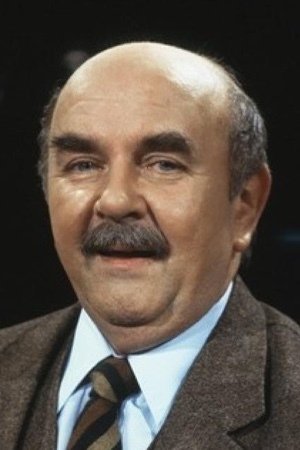
Walter Sedlmayr
Mr. Angermayer
Rainer Werner Fassbinder
Eugen

Karl Scheydt
Albert
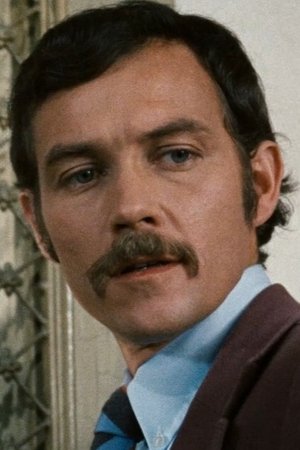
Peter Gauhe
Bruno

Marquard Bohm
Gruber

Hark Bohm
Doctor
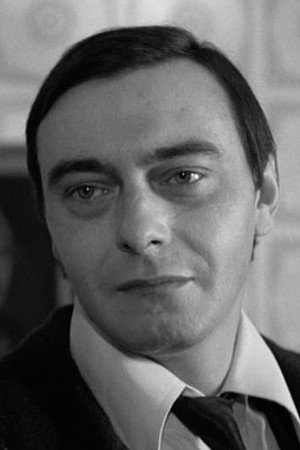
Kurt Raab
Car Mechanic
Trailer
Phim tương tự cho bạn

Em Chỉ Muốn Mình Anh
Fall for Me

4.8 | Tình Cảm

Sachertorte
Sachertorte
6.8 | Tình Cảm • Hài Hước

Oblivion Verses
Oblivion Verses
6.5 | Tình Cảm • Tâm Lý

Người Đọc Sách
The Reader
7.6 | Tình Cảm • Tâm Lý

Jackie: De Nhat Phu Nhan
Jackie
6.6 | Tình Cảm • Tâm Lý

Nymphomaniac: Vol. II
Nymphomaniac: Vol. II
6.6 | Tình Cảm • Tâm Lý

Người Đàn Bà Cuồng Dâm: Phần 1
Nymphomaniac: Volume I
6.9 | Tình Cảm • Tâm Lý

Cô gái Đan Mạch
The Danish Girl
7.1 | Tình Cảm • Tâm Lý

Berlin, I Love You
Berlin, I Love You
4.7 | Tình Cảm • Tâm Lý

The Kindness of Strangers
The Kindness of Strangers
6.5 | Tình Cảm • Tâm Lý

Close to the Horizon
Close to the Horizon
6.6 | Tình Cảm • Tâm Lý

Câu Chuyện Người Làm Đầu
The Lacemaker
7.4 | Tình Cảm • Tâm Lý

Cô gái mùa hè
Julia
4.7 | Chính kịch • Tình Cảm

Tendres Cousines
Tender Cousins
5.4 | Chính kịch • Tình Cảm

Người Đẹp Và Quái Vật
Beauty and the Beast 2014
6.4 | Tình Cảm • Viễn Tưởng

Trò Chơi Hai Mặt
Duplicity
6.1 | Tình Cảm • Hình Sự

King Kong và Người Đẹp
King Kong
7.2 | Hành Động • Tình Cảm

Chuyến Đi Của Tình Yêu
303
7.5 | Tình Cảm • Tâm Lý

Ngài Không Ngã Rẽ
Mr. Nobody
7.7 | Tình Cảm • Tâm Lý

Hành Trình Nam Mỹ
The Motorcycle Diaries
7.7 | Tình Cảm • Tâm Lý

Sa Ngã
Freier Fall
7.5 | Tình Cảm • Chính kịch

Cô Gái Di Cư
Victoria
7.6 | Tình Cảm • Hình Sự

Một nơi xa
Faraway
6.7 | Hài Hước • Tình Cảm
Mối Tình Đũa Lệch
Angst essen Seele auf
8.0 | Tình Cảm • Chính kịch
Screens & Gallery




International Critic Reviews

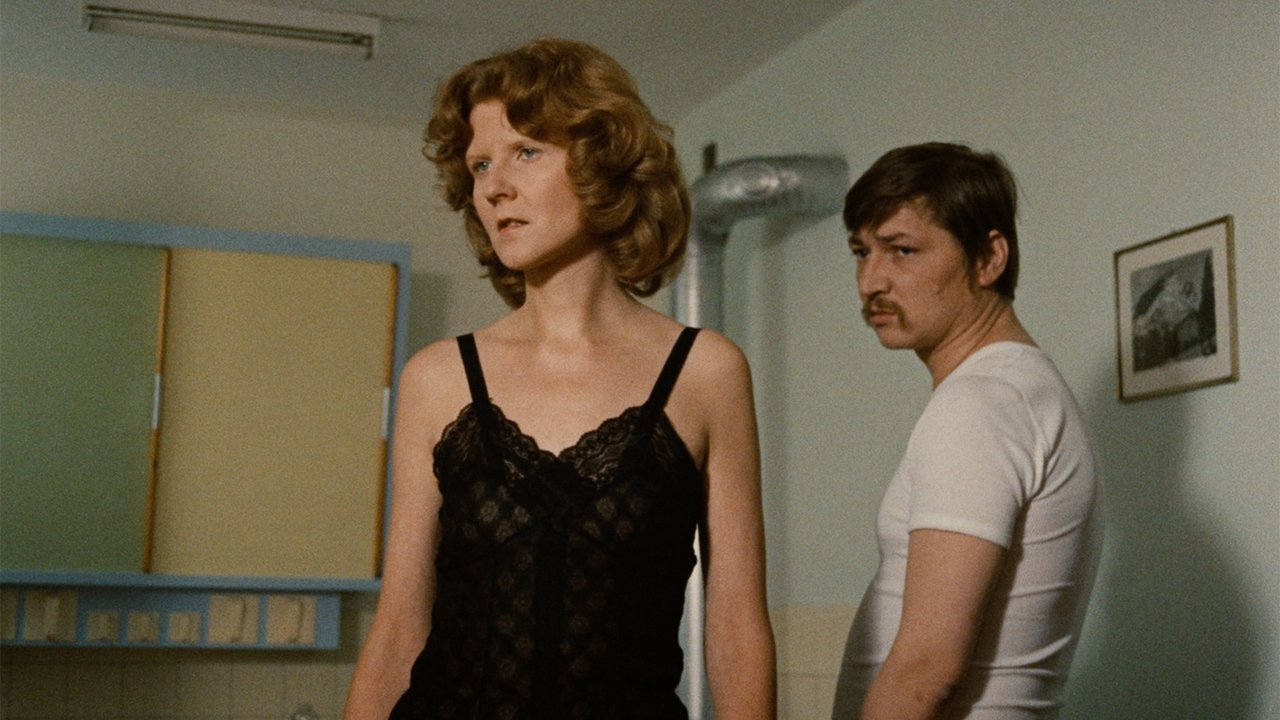
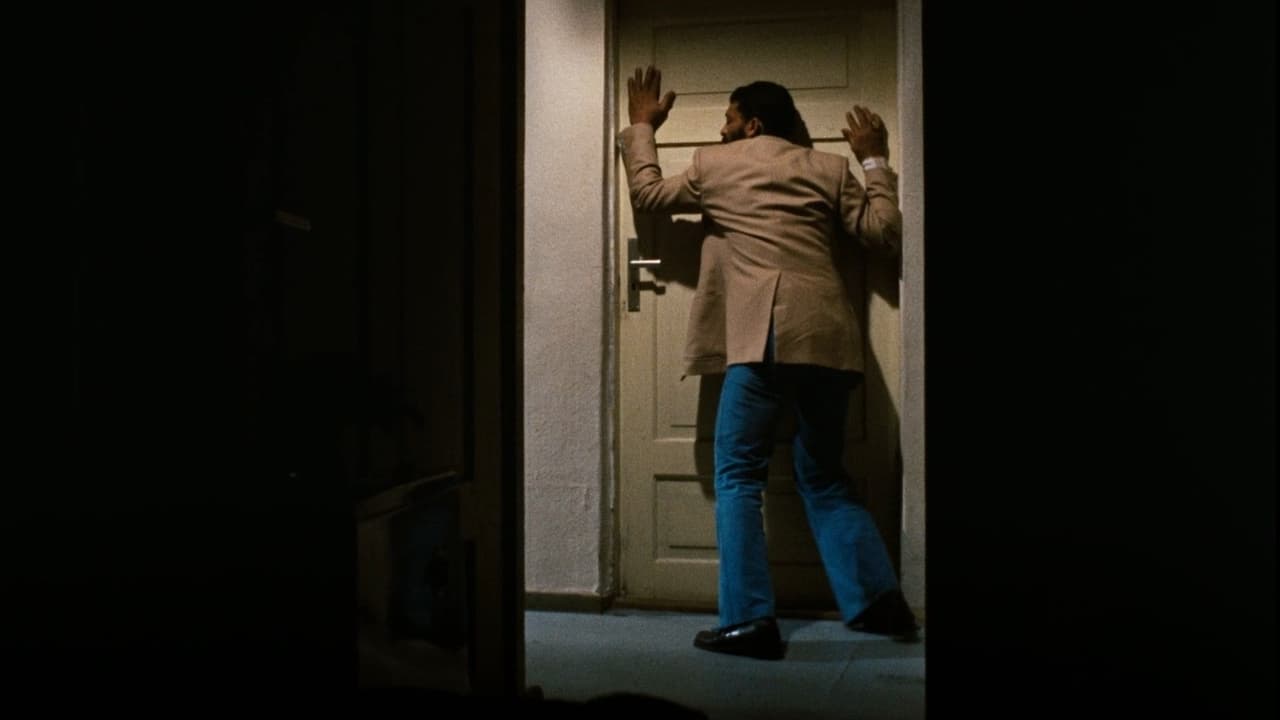
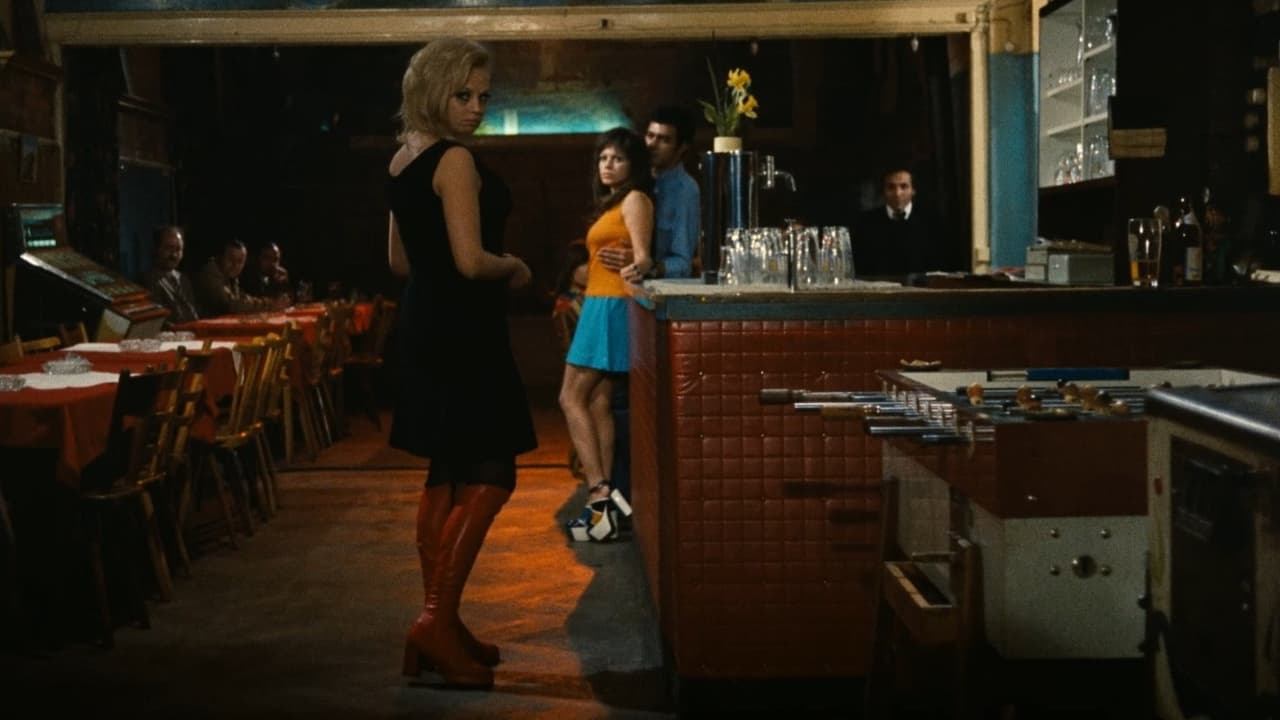
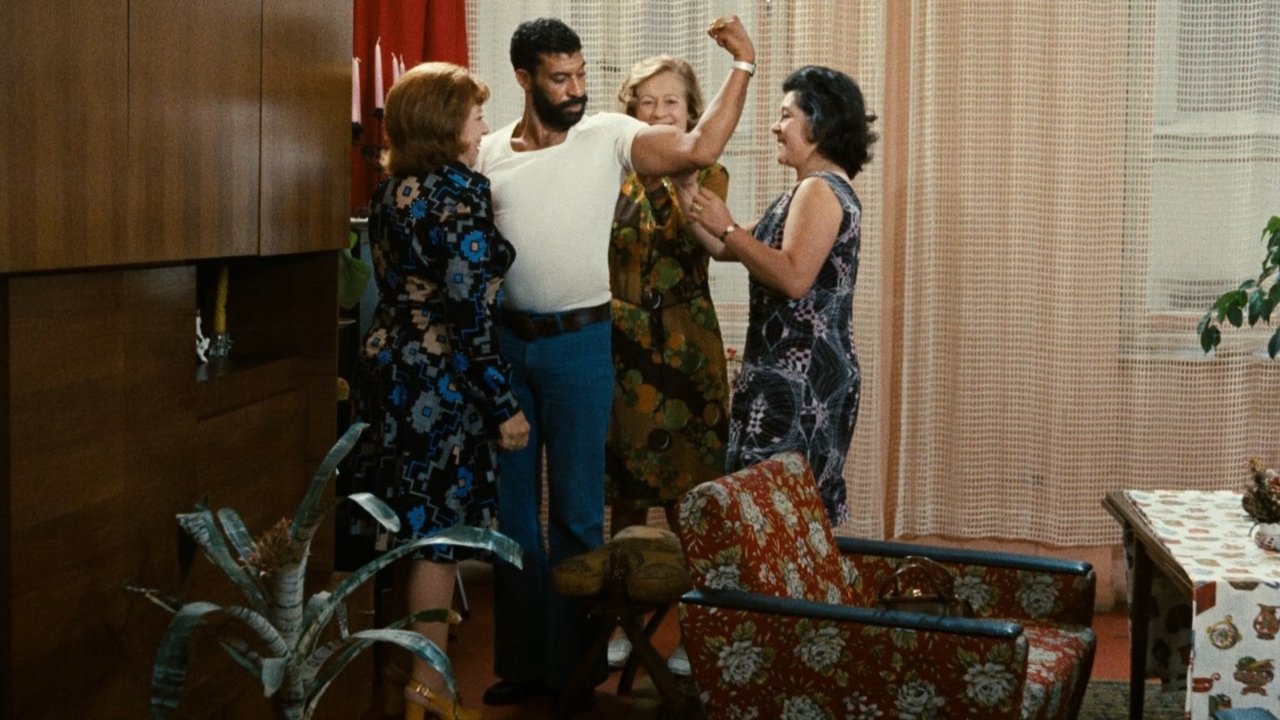
The original title of Rainer Werner Fassbinder's 1974 film "Fear Eats the Soul" is deliberately ungrammatical German: ANGST ESSEN SEELE AUF "Fear Eat Soul". That is due to one of the two protagonists we meet: Ali (El Hedi ben Salem) is a Moroccan immigrant working in Munich. He toils as a car repairman and has learned some very basic German, but he has been hindered from assimilating to German and fully learning the language by both lack of time and a German society that deliberately keep his kind at arm's length. But one night at a pub, he meets by chance Emmi (Brigitte Mira) a 60-something widow. They dance and Emmi falls in love with this tall, dark, and handsome stranger who makes her feel feelings again after so many years. Ali's own thoughts and motivations remain more mysterious, but he too seems to have been wracked with loneliness, and he recognizes in this woman two decades his senior a soulmate. The result is initially a very idiosyncratic romantic comedy. Sadly, as an opening title of the film reads, "Happiness is not always happy". The flip side of this couple's burgeoning love is the suspicion, jealousy, fear, and hatred that Emmi and Ali encounter from the citizens around them. Emmi's neighbours gossip and disparage her for bringing "trash" into their block of flats; Emmi's adult children reject her new partner; and the local grocer refuses to serve Ali. The drama of the film is Emmi and Ali's attempts to weather this storm of social rejection and make their relationship work. Some small hope remains in a handful of Munich people who see nothing wrong with this couple. The acting here is memorable. El Hedi ben Salem was not a professional actor. In fact, he was one of Fassbinder's lovers, the two met in a bathhouse in Paris. Yet El Hedi ben Salem's awkwardness on screen actually fits his role perfectly, because Ali is ill at ease and unsure of what to do in this foreign land he has immigrated to. Most of the strong acting demands are placed on Brigitte Mira, a veteran of German film and television for decades, and she pulls this off marvelously. So much poignant emotion of a woman ruing the racism of her peers, or alive with love again after years of solitude, are expressed purely through her eyes, which Fassbinder often emphasizes with long camera takes. Fassbinder himself appears as Emmi's son-in-law (married to Emmi's daughter played by Irm Hermann, a stalwart of this director's productions), and though he gets little screen time, Fassbinder's facial expressions and sardonic dialogue are delightful. Yet, in spite of its curiously heartwarming romantic pairing and touching plot about two lovers against a cruel world, ANGST ESSEN SEELE AUF is not a perfect film. In the latter part of his film, Fassbinder seems uncertain of his point. In a bitter turn, he upends the romance we had become used to for a much more pessimistic view of human relationships where the original theme of racism and intolerance seems forgotten, or at least firmly pushed aside. He then ends the film at an arbitrary point, as if unable to come up with anything more conclusive. Nonetheless, this is a classic film and worth seeing. One can also appreciate just how well Fassbinder anticipated here the cinema of Aki Kaurismäki with its characters who are "losers", the cold stares of onlookers, and the awkwardness of it all.

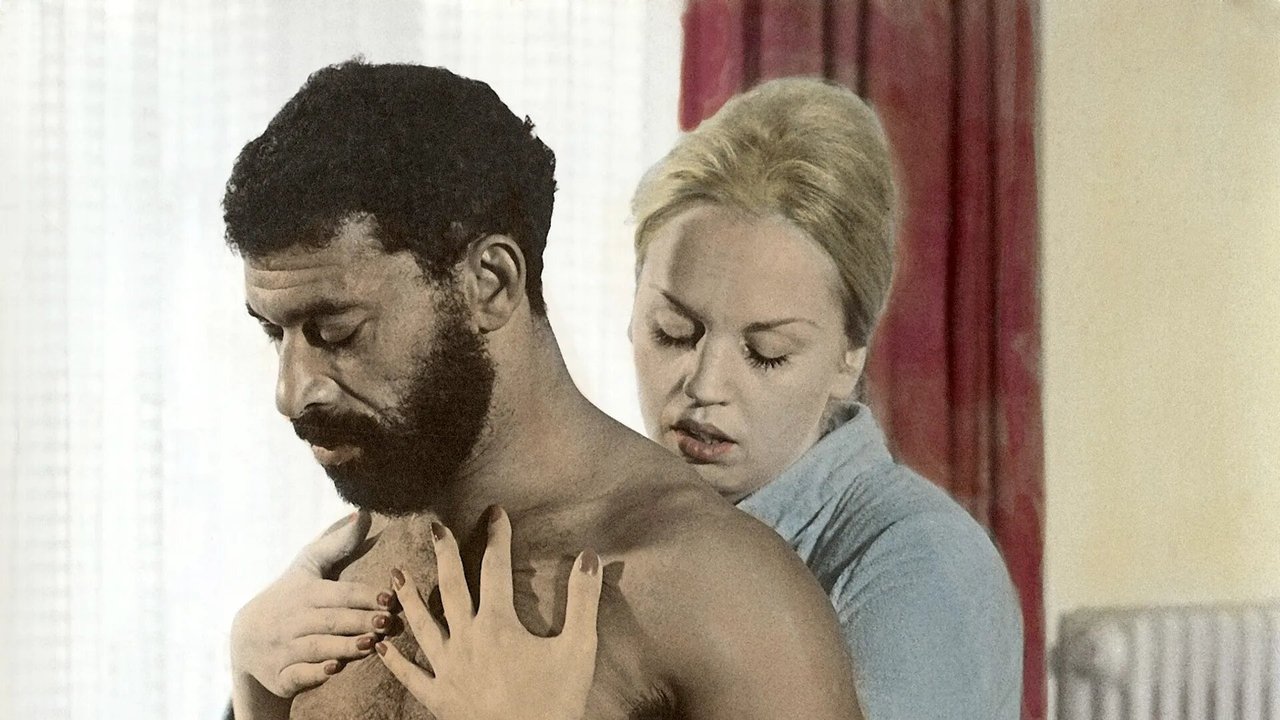
Does anyone remember when Channel 4 (in the UK) had their Friday night red triangle zone of late night adult films that would probably have been X-certificate but that were available free-to-air? I think this is probably the only one of those I still recall as it memorably challenges just about every stereotype in the dictionary. The elderly and widowed “Emmi” (Brigitte Mara) meets the handsome and younger “Ali” (El Hedi Ben Salem) who has come to Germany from Morocco to work. He only has limited German, but with the help of a thunderstorm and some brandy, the pair can make themselves understood and are soon an item. They marry. They are happy. Her neighbours, her family, his friends? Well they are not so understanding and are soon gossiping about and shunning the pair. Her daughter describes their love as “filth” and almost as quickly as they fell for each other, they have to deal with the pressures of an unforgiving society that disapproved of the gaps in their age and their status. With both having to deal with this increasingly toxic scenario in their own way, you have to wonder if they can have any future? Both Mira and ben Salem work well together here to create something vulnerable, fragile even, and the ensemble cast surrounding them work nauseatingly effectively in creating a sea surrounding this couple that is both unfriendly and intolerant. She tells him they are just jealous. Perhaps she is right or perhaps they are just a collection of ignorant bigots? The red triangle had to be there for a reason and so there is a little bit of sex, but it’s used here as a symbol of loneliness and maybe even desperation as “Ali” has to reconcile his affection for “Mira” with his innate hard-wiring from a culture where the man had to be strong and the woman more of a trophy. It is aptly titled, in English anyway, as it shows just how corrosive fear can be when people are convinced that failure is all that awaits them. It’s not an easy film to watch, but it’s a poignant one.