

Hoạt hình
Màu Xanh Ảo Giác
Perfect Blue
Nội dung
Một ca sĩ từ bỏ ban nhạc để trở thành diễn viên và rũ bỏ hình tượng "gái ngoan" để vươn xa hơn trong sự nghiệp.
Thông tin sản xuất
February 28, 1998
Ngày phát hành
$830,442
Ngân sách
$2,743,097
Doanh thu
Truy cập website
Website chính thức
Japan
Region (JP)

Madhouse
JP

Rex Entertainment
JP
Kotobuki Seihan Printing
JP

Asahi Broadcasting Corporation
JP
Fangs
JP
ONIRO
JP
Đạo diễn
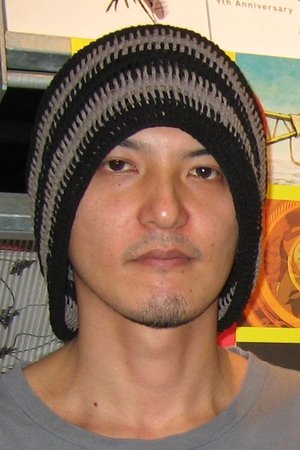
Hideki Futamura
Female
Diễn viên

Junko Iwao
Mima Kirigoe (voice)
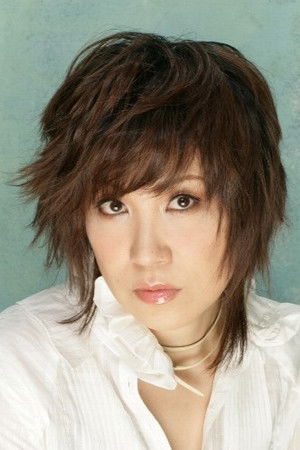
Rica Matsumoto
Rumi (voice)
Shiho Niiyama
Rei (voice)

Masaaki Okura
Mamoru Uchida (voice)
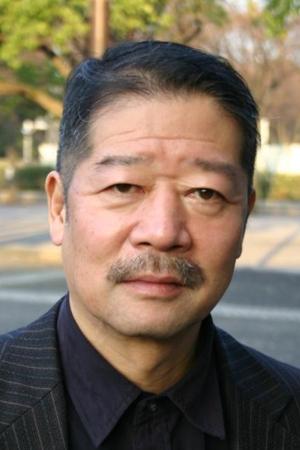
Shinpachi Tsuji
Tadokoro (voice)
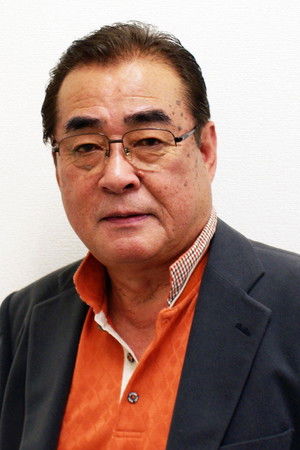
Yosuke Akimoto
Tejima (voice)
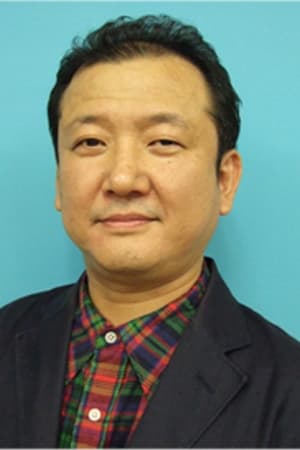
Yoku Shioya
Takao Shibuya (voice)
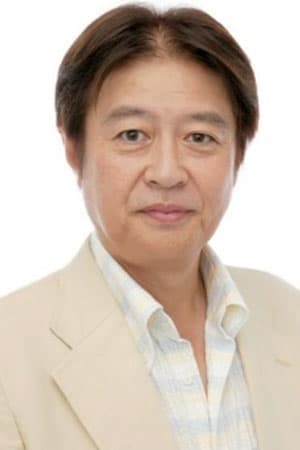
Hideyuki Hori
Sakuragi (voice)

Emi Shinohara
Eri Ochiai (voice)
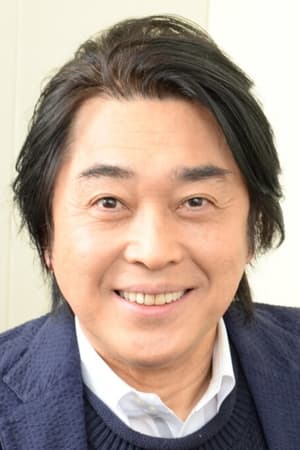
Masashi Ebara
Murano (voice)
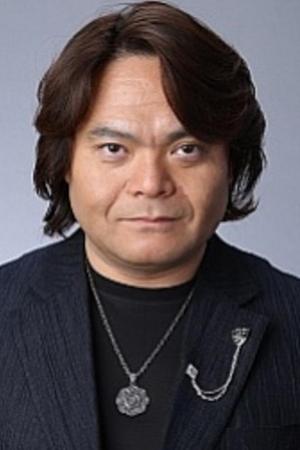
Kiyoyuki Yanada
Kantoku (voice)
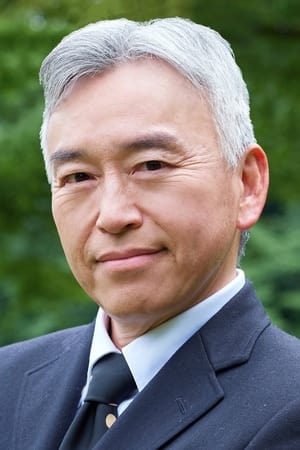
Toru Furusawa
Yada (voice)
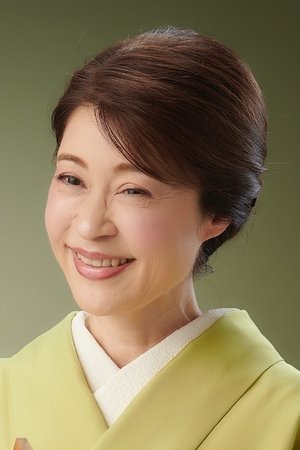
Teiya Ichiryusai
Mima's Mother (voice)

Shin-ichiro Miki
Taku (voice)
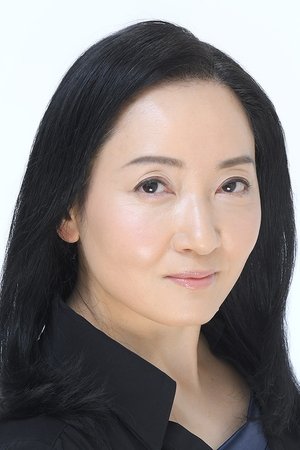
Megumi Tano
Child (voice)
Emi Motoi
Child (voice)
Akio Suyama
Tadashi Doi (voice)
Osamu Hosoi
Company Employee (voice)
Koichi Tochika
Red (voice)
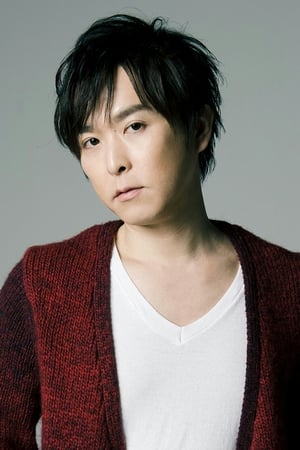
Soichiro Hoshi
Green (voice)
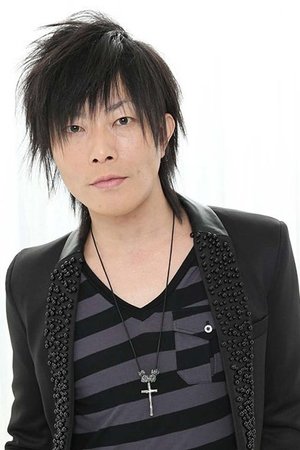
Kisho Taniyama
Blue (voice)
Kaori Minami
Reporter (voice)

Jin Yamanoi
Additional Voices (voice)
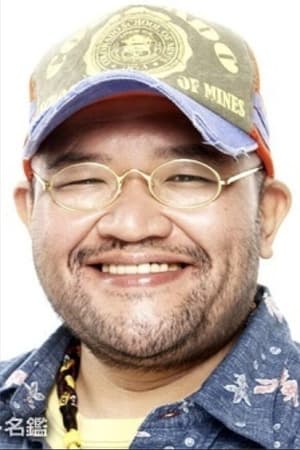
Takashi Nagasako
Additional Voices (voice)
Trailer
Phim tương tự cho bạn

Dou kyu sei – Bạn cùng lớp
Dou kyu sei – Classmates

7.7 | Tình Cảm
Màu Xanh Ảo Giác
Perfect Blue
8.0 | Tình Cảm

Xin Chào Jadoo (Phần 5)
Hello Jadoo (Season 5)
5.0 | Tình Cảm • Hài Hước

Xin Chào Jadoo (Phần 4)
Hello Jadoo (Season 4)
5.0 | Tình Cảm • Hài Hước

Xin Chào Jadoo (Phần 3)
Hello Jadoo (Season 3)
5.0 | Tình Cảm • Hài Hước

Xin Chào Jadoo (Phần 2)
Hello Jadoo (Season 2)
5.0 | Tình Cảm • Hài Hước

Xin Chào Jadoo (Phần 1)
Hello Jadoo (Season 1)
5.0 | Tình Cảm

Nàng búp bê thử đồ của tôi biết yêu (Phần 1)
My Dress-Up Darling, Sono Kisekae Ningyou wa Koi wo Suru
5.0 | Tình Cảm • Hài Hước

Cặp Đôi Tu Hú Phần 2
Cặp Đôi Tu Hú Phần 2
5.0 | Tình Cảm

Chẳng Thể Lý Giải Nổi Aharen-san Mùa 2
Aharen-san wa Hakarenai 2
7.0 | Tình Cảm

GIVEN- Khơi Dậy Đam Mê (Bản Điện Ảnh)
Given The Movie
7.7 | Tình Cảm • Âm Nhạc

Cuộc sống tiếp theo của tôi như một Villainess S1
My Next Life as a Villainess S1
7.1 | Tình Cảm

Võ sĩ thế thao
Taisou Zamurai
7.0 | Tình Cảm • Học Đường

In/Spectre Nhân gian và yêu giới
Kyokou Suiri, Inspectre, Kyokō Suiri, Invented Inference
6.6 | Tình Cảm • Bí ẩn

Tsukiuta. THE ANIMATION2
ツキウタ。 THE ANIMATION 2
6.9 | Tình Cảm • Âm Nhạc

Công chúa ngủ trong lâu đài quỷ
魔王城でおやすみ
7.5 | Tình Cảm • Hài Hước

The Stranger by the Beach
The Stranger by the Beach
7.2 | Tình Cảm • Tâm Lý

Uma Musume Pretty Derby Phần 2
ウマ娘 プリティーダービー Season 2
7.0 | Tình Cảm • Thể Thao

Nàng Nào Cũng Là Ghệ Anh
Kanojo mo Kanojo, Girlfriend, Girlfriend
6.5 | Tình Cảm • Học Đường

Tôi đã chuyển sinh thành nữ phản diện với vận mệnh bị điềm báo tử ám X
Hamefura S2
7.1 | Tình Cảm • Bí ẩn

Truyện Cổ Tích Thiếu Nữ Thời Taisho
Taishou Otome Otogibanashi
7.6 | Tình Cảm • Gia Đình

Nhân vật yếu ớt của Tomozaki-kun
The Low Tier Character
7.0 | Tình Cảm • Học Đường

Bãi cát trắng bên bờ thủy cung Aquatope
Shiroi Suna no Aquatope, The aquatope on white sand
7.3 | Tình Cảm

Khi tôi cạo râu, chuyện gì sẽ xảy ra?
Hige wo Soru. Soshite Joshikousei wo Hirou.
7.4 | Tình Cảm • Tâm Lý
Screens & Gallery

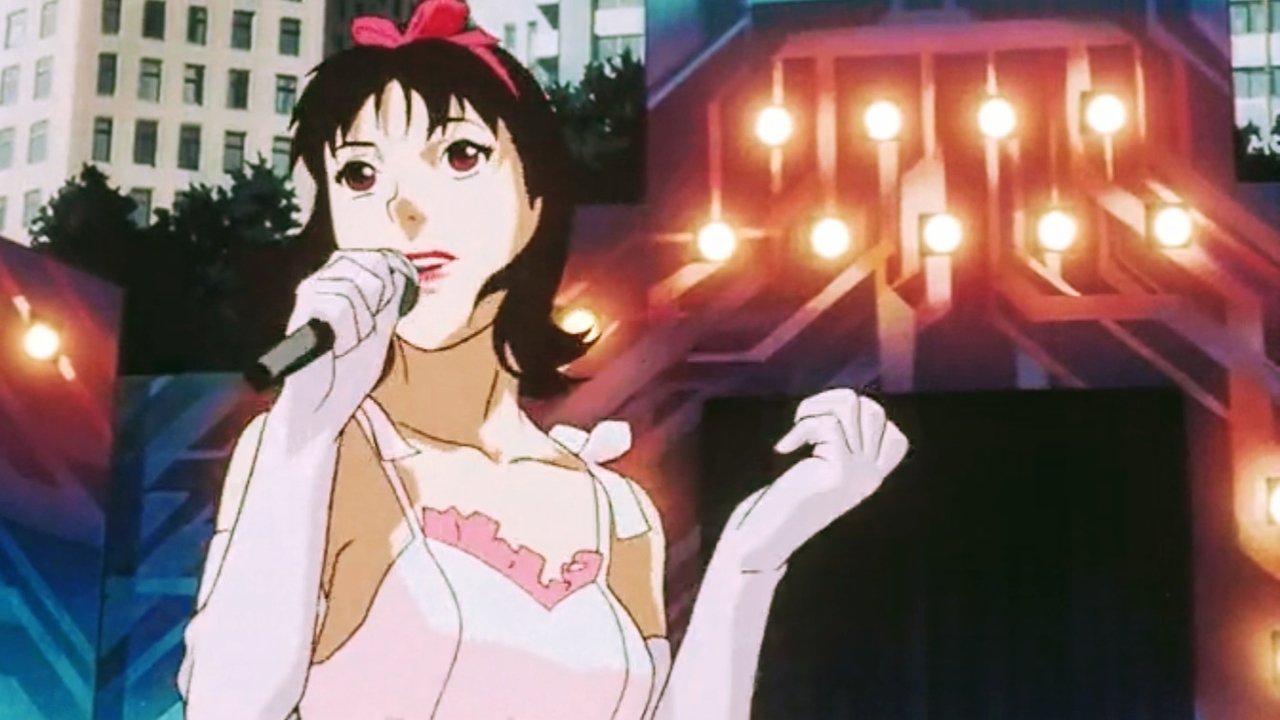
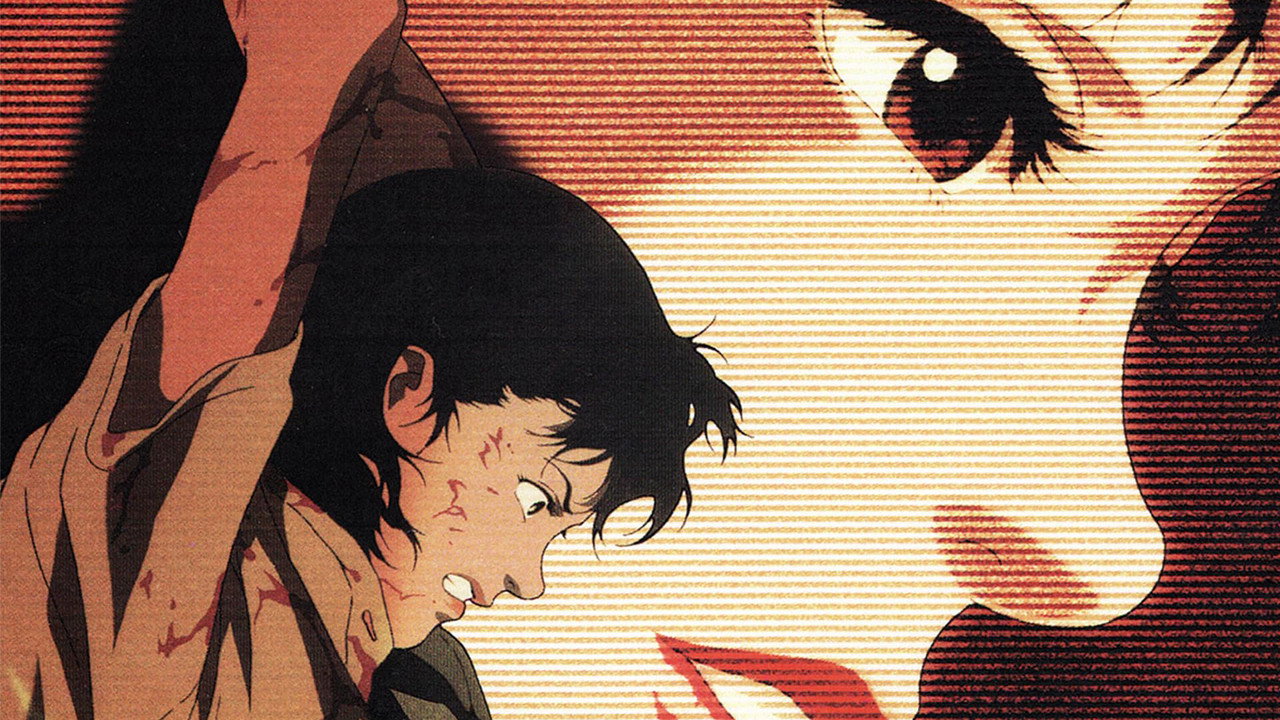


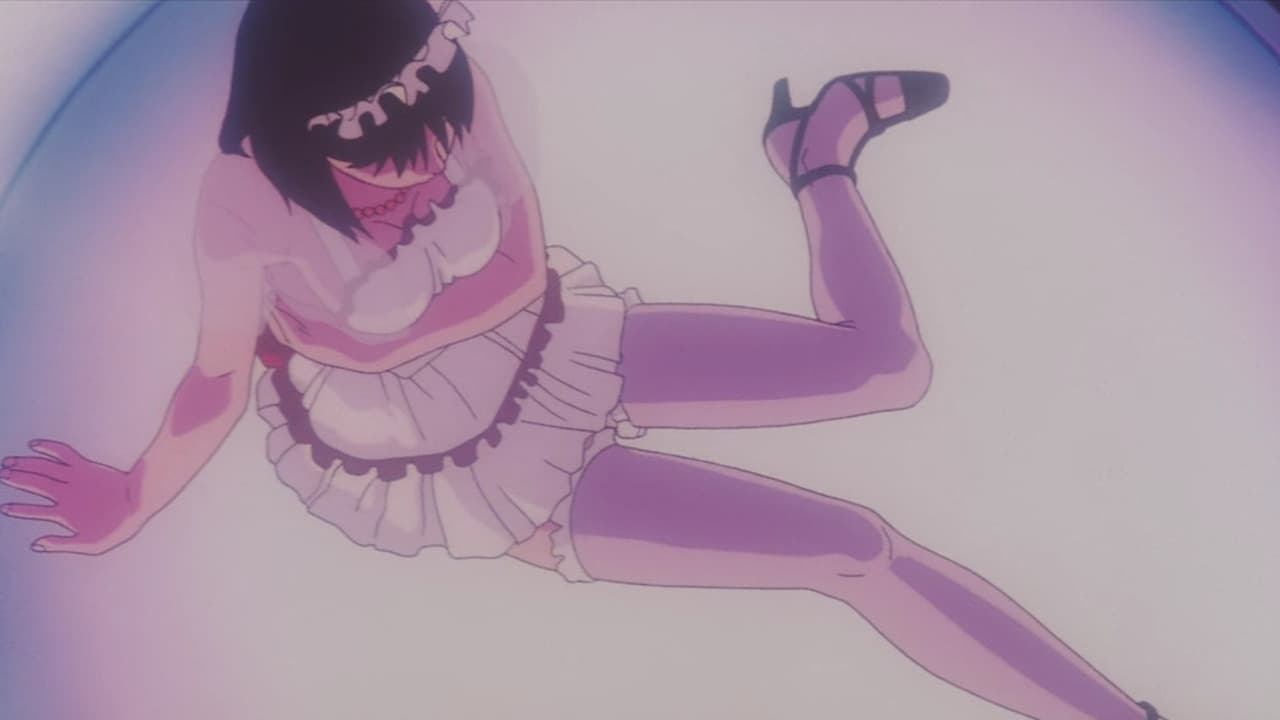
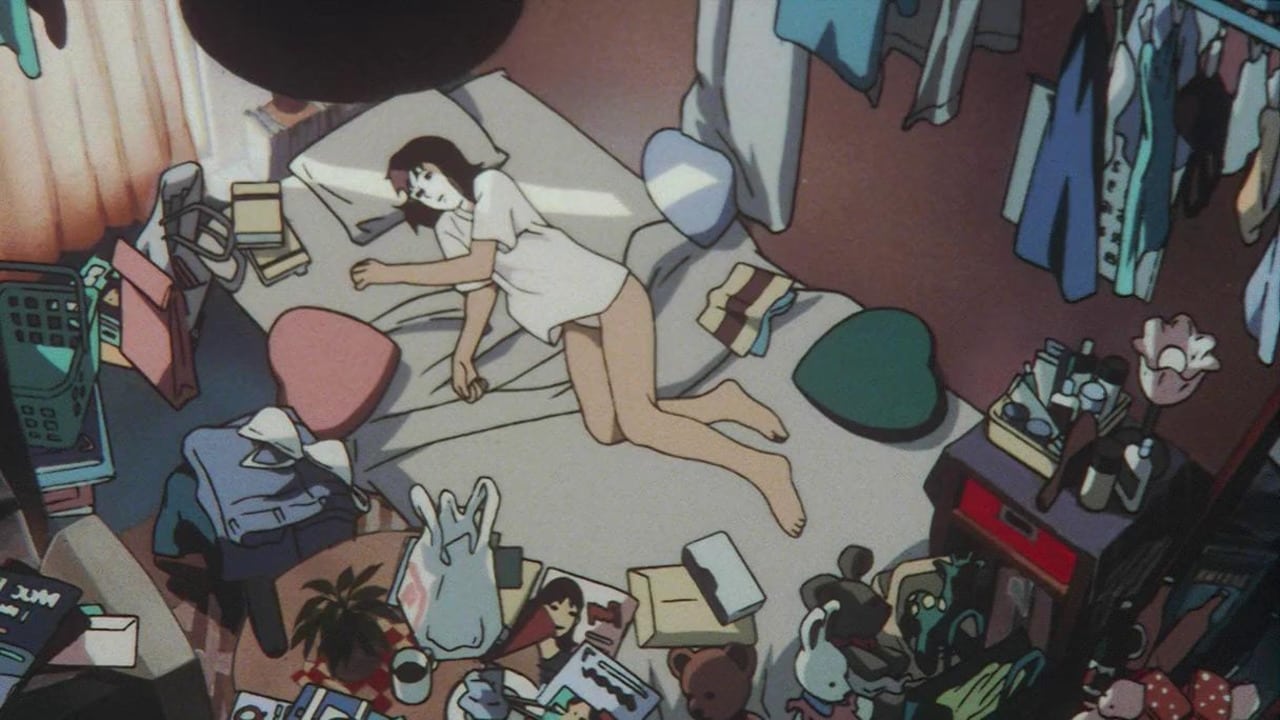
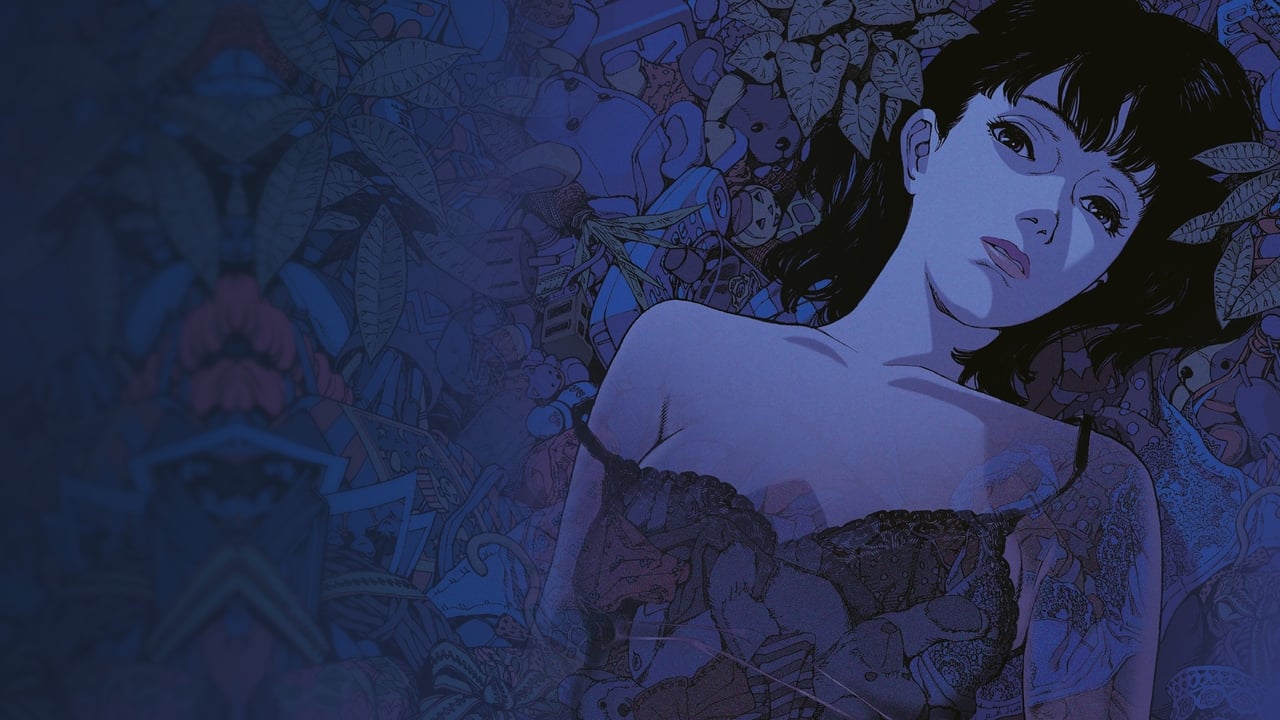
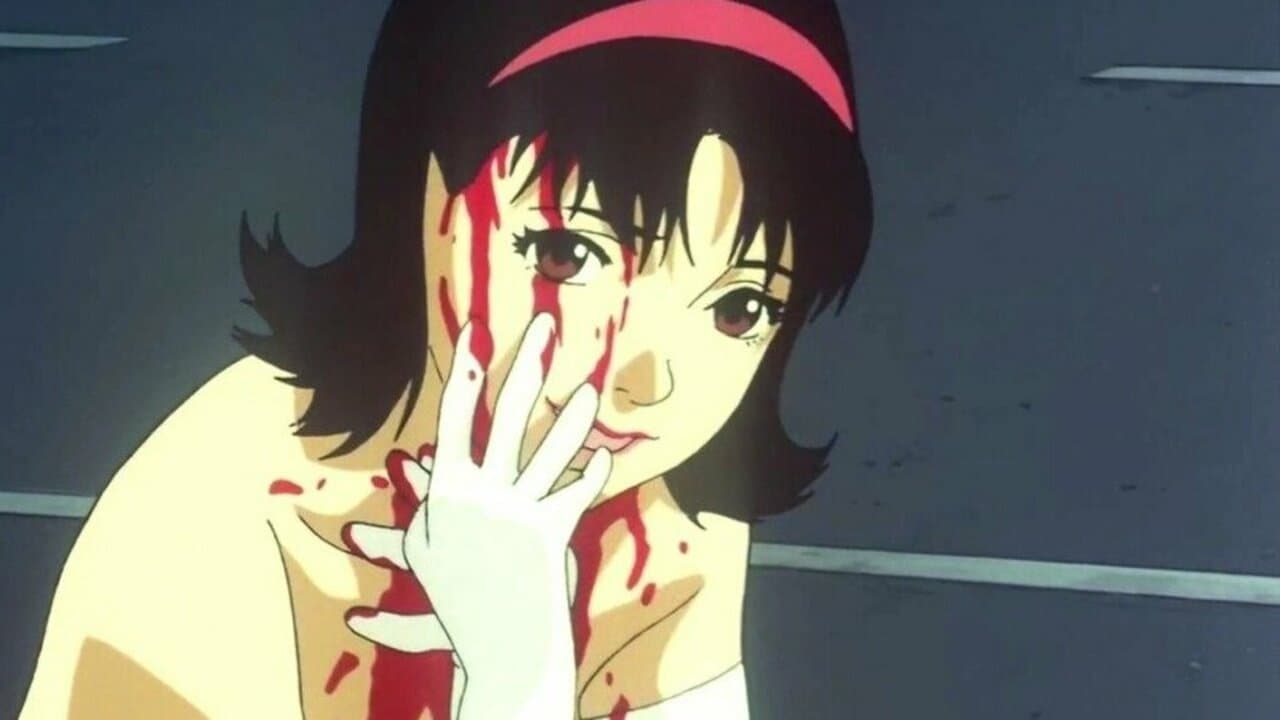


International Critic Reviews
Just seen this on All Hallows' Eve. It's a bit old, but gold! I definitely have to rewatch this, because you just got to pay attention to 'know' what is happening and follow the story. I think you'd better understand/follow the story and that it will make more sense when you watch it a second time. The whole movie experience was pretty much like every time you think you got it all figured out, you learn something new and turn out to be all wrong. I loved all those twists and turns and the is-it-real-or-not feeling like, is it really REALLY happening? Is it really acting for her job as a actress, or is it all just a trick of the mind...

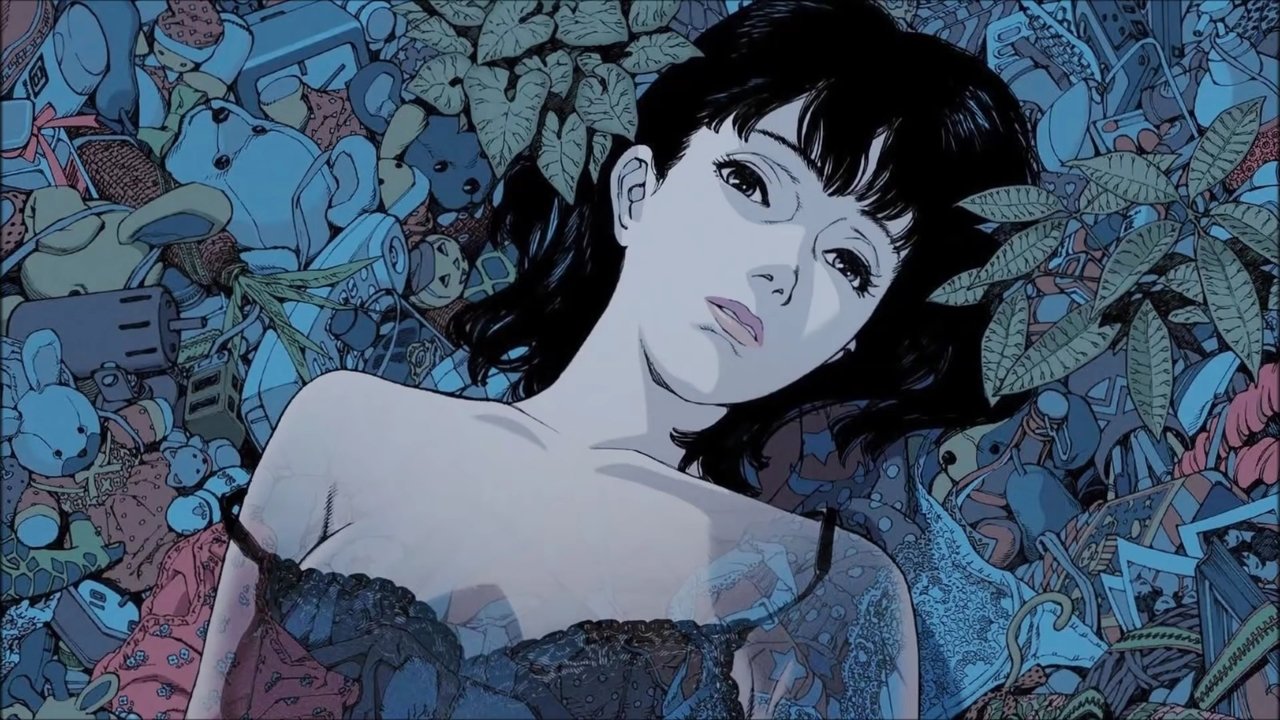
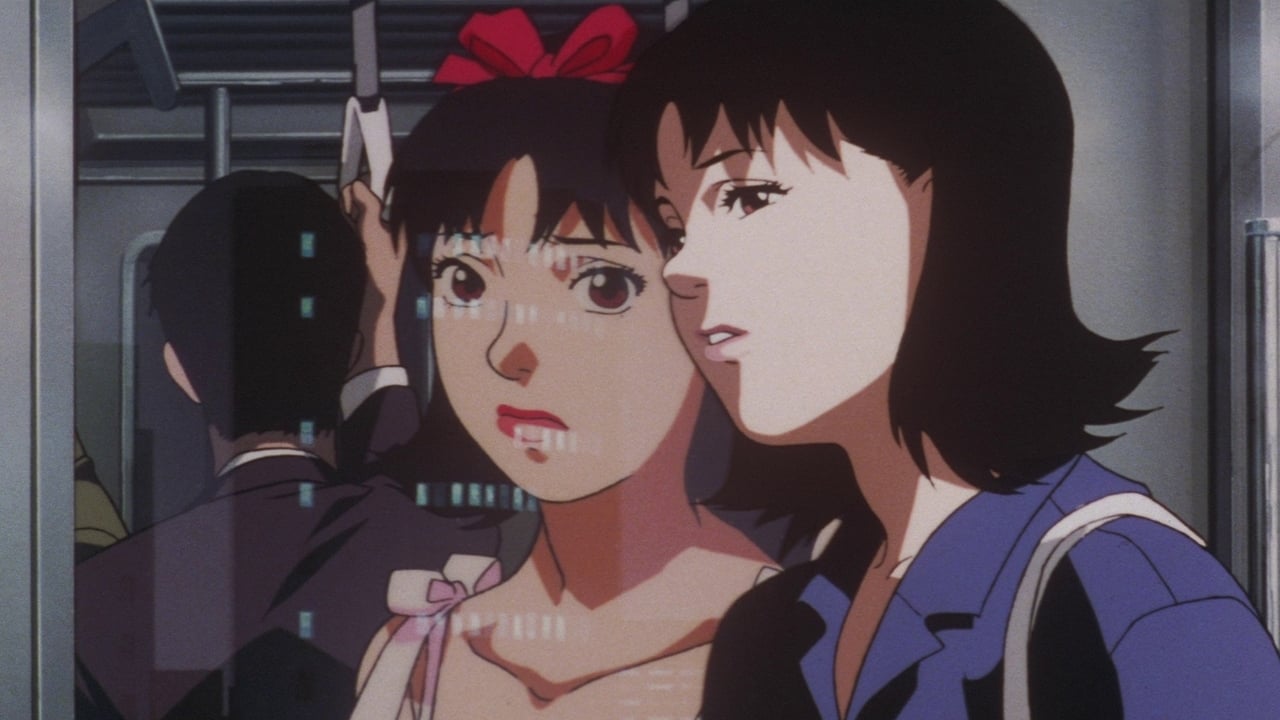
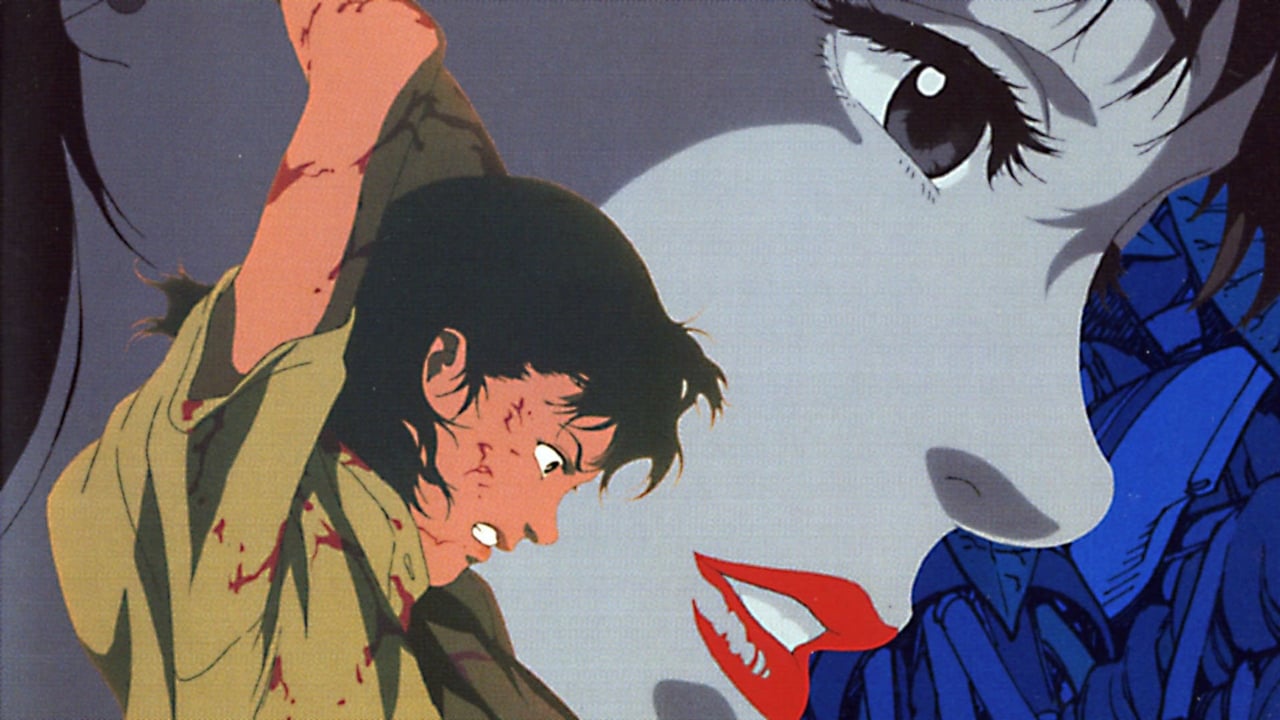
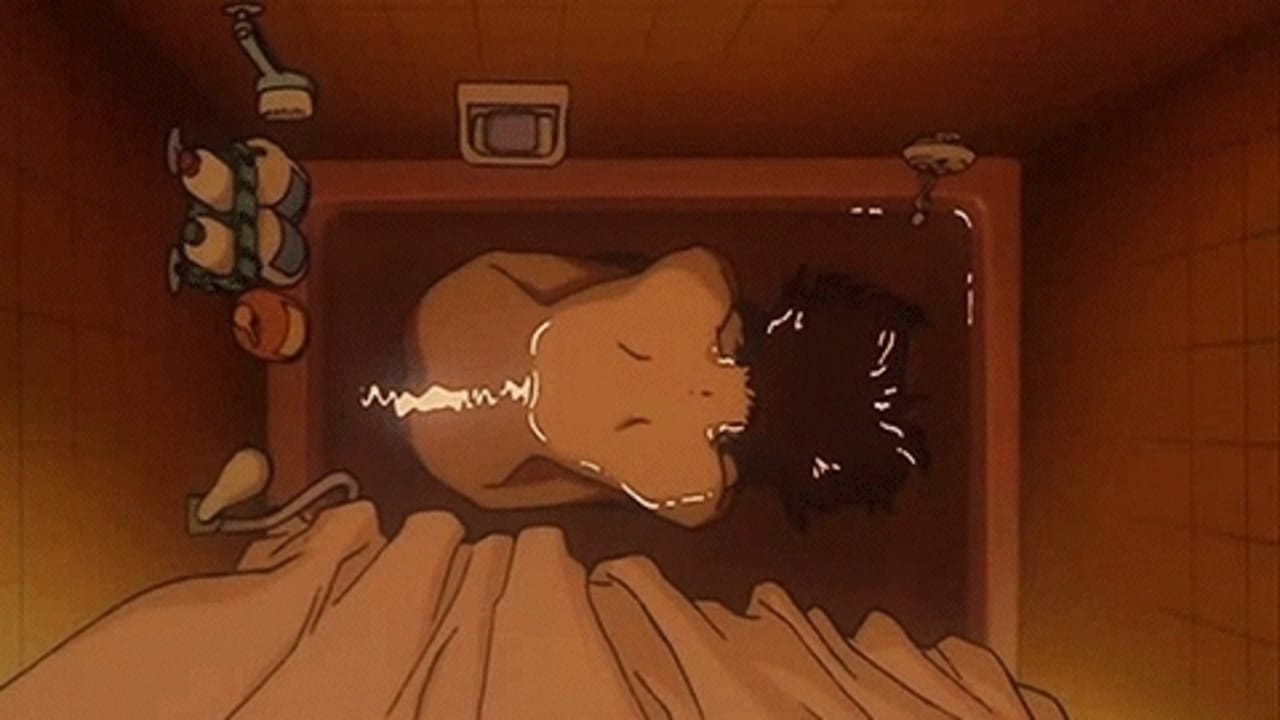
Perfect Blue perfectly blends psychologically disturbed fantasy with grounded reality. Mima Kirigoe. A pop-idol. An actress. An X-rated model. Public image and its personifying echoes circulate around the world, adhering to the desires of endearing fans alike. But when their inspirational idol haphazardly shifts career, from pop sensation to dramatic actress, the psychosis of the modern consumer society ultimately changes with her. Saddened, angered and crazed. Mima’s abrupt persona altering career move may have developed maddened stalkers, including her fantastically imagined past self haunting the newly suppressed version. The late Satoshi Kon was known for seamlessly blending fantasy with reality. Depicting an opaque blurred line between delusions and actualities. None more so, than in his exaggerated psychologically disturbed work in Perfect Blue. For many the art form of Japanese animation, commonly titled as “anime”, is cited as “childish”. “Anime is for losers” tweeted kickboxer Andrew Tate. Well, if like Mr. Tate you believe anime to be childish, I implore you to watch Perfect Blue. Without illustrating the voyeuristic nature of Murai’s narrative, it is the most accessibly invigorating piece of psychological stimulation, that is strictly aimed towards adults, to ever be constructed from this art form. The complete metamorphosis of a character that questions her own perceived identity through inquisitional explicit acts of graphic nature. Exploring the psychosis of shared delusional disorder and the acute harassment of an obsessive stalker. Kon establishes a murder mystery whilst inciting the emasculation of a vulnerable female’s world. Male controllers, likened to manipulative deities of authoritative powers, are gradually weakened by a mysterious individual. Culminating into a twistingly fragmented climax that grants Mima the independence that she was repressed from. Kon’s intelligence in foreshadowing, the drama series ‘Double Bind’ essentially replicating Mima’s regressive state of mind, allows the audience to question several aspects. He smartly manages to maintain the central mystery without deterring from Mima’s mental instability. He doesn’t stop there though. Kon refuses to relinquish thematic presence in every frame. Exploring the fragility of a rape victim and the traumatisation of such an explicitly heightened ordeal. The dangers of online anonymity and the tarnishing of existing careers. Challenging the extremities of art in all its mediums. The realism of Perfect Blue is what forces its story to be so utterly terrifying. It’s not just a psychological thriller. It’s horror. Kon’s signature animation style is gloriously vibrant as always, with attentive detail towards realistic environments. The grotesque facial features of “Me-Mania”, only possible in this art form, heighten the natural malformed detest we have for him. Ikumi’s audacious score enables the heart to palpitate more frequently with its sharp tones and ethereal voices. And, as rare as this is, the English dub is surprisingly decent. The reality is that Perfect Blue transcends the medium that it is presented in. It stimulates through Kon’s trademark visceral style, allowing the dangers of early Internet culture to produce a thrilling psychologically adept feature that blurs fantasy with reality. I mean, for a film to make me stand up, clap my hands and utter the words “perfection”, it has to be something special right?. Well, Perfect Blue is special, because it is perfect. And yes, with that said it does indeed garner the perfect rating. Quite possibly the best anime feature to ever be released.

I caught this in High School and it instantly took me as an eerie Alfred Hitchcock show that did an outstanding job of feeding on pure paranoia. It was unsettling, it was scary, and at the time it seemed as realistic as it could be for an anime movie. As I rode through it, I started doubting what was real and what wasn't and that is a hallmark of a great movie, that ability to keep the viewer on their toes.