

Phim lẻ
Donbass
Donbass
Nội dung
Tại vùng Donbass lịch sử ở miền đông Ukraine, bất chấp cuộc chiến tàn khốc đã diễn ra từ năm 2014 giữa Cộng hòa Nhân dân Donetsk và Luhansk tự xưng và chính phủ Ukraine, người dân vẫn cố gắng sinh tồn giữa lòng hỗn loạn, nơi bạo lực trá hình dưới dạng hòa bình, tuyên truyền trở thành sự thật hiển nhiên và hận thù ngự trị dưới danh nghĩa tình yêu.
Thông tin sản xuất
August 30, 2018
Ngày phát hành
$2,650,000
Ngân sách
Truy cập website
Website chính thức
France
Region (FR)
Germany
Region (DE)
Netherlands
Region (NL)
Romania
Region (RO)
Ukraine
Region (UA)

Arthouse Traffic
UA

Graniet Film
NL

ma.ja.de. Fiction
DE

Wild At Art
NL

Digital Cube
RO

JBA Production
FR

Atoms & Void
NL
Đạo diễn
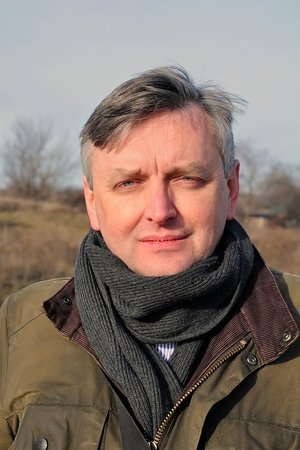
Sergei Loznitsa
Female
Diễn viên

Tamara Yatsenko
Plump-faced Woman
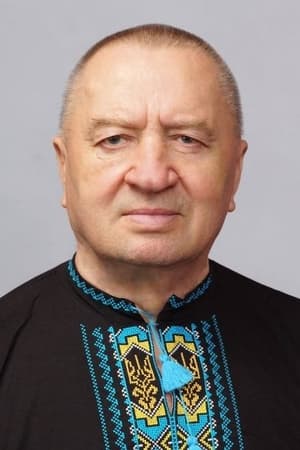
Hryhoriy Masliuk
Town Mayor
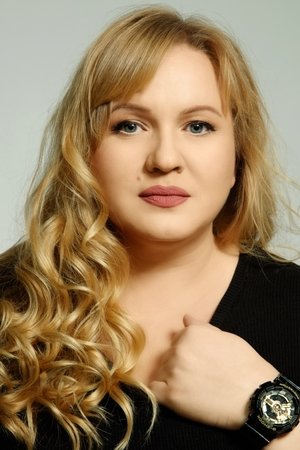
Olesia Zhurakivska
Girl with Bucket
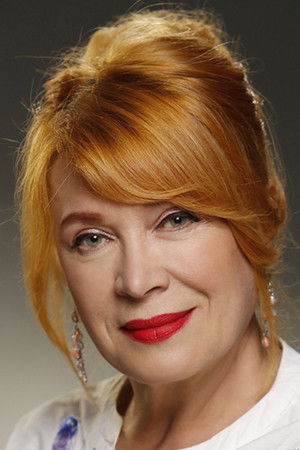
Liudmyla Smorodina
Woman in Blue
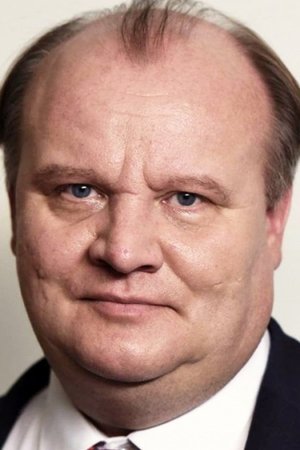
Boris Kamorzin
Mikhalych
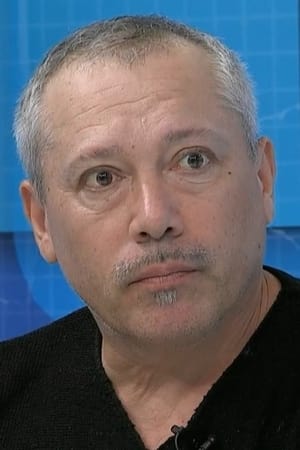
Mikhail Voloshin
Man in Cap

Yevhen Chepurniak
Head Physician
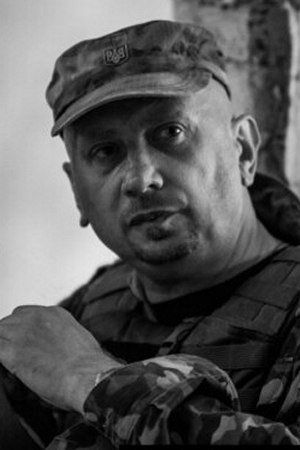
Ihor Kyrylchatenko
First Ukrainian Soldier
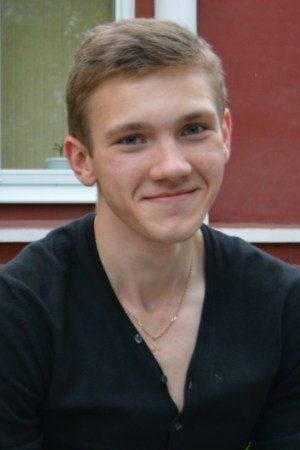
Vladyslav Simanko
First Guy on the Bus
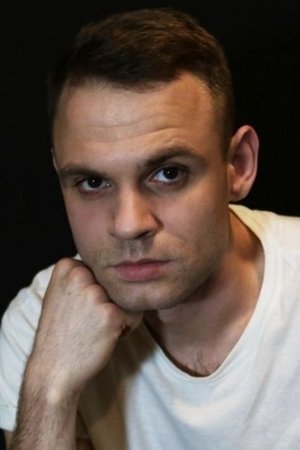
Oleksii Beldei
Second Guy on the Bus
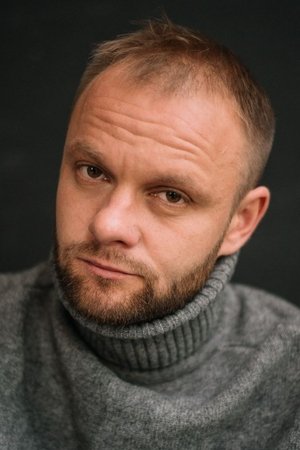
Yaroslav Bezkorovainyi
Soldier in Bandana
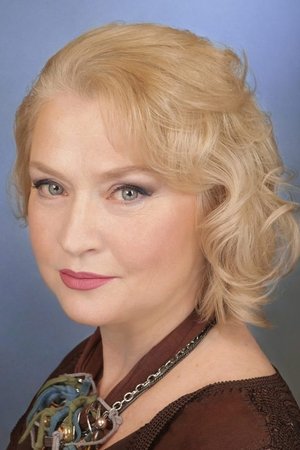
Olena Khyzhna
Bandersha
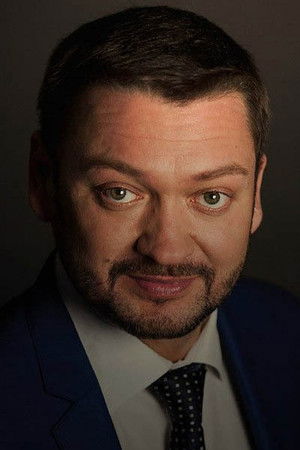
Arsen Bosenko
First Separatist
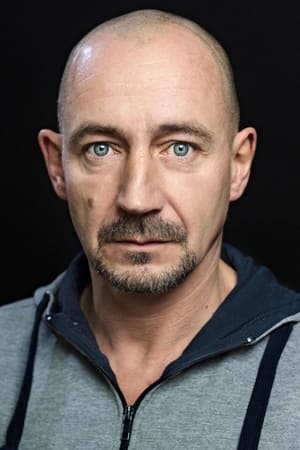
Thorsten Merten
German Journalist
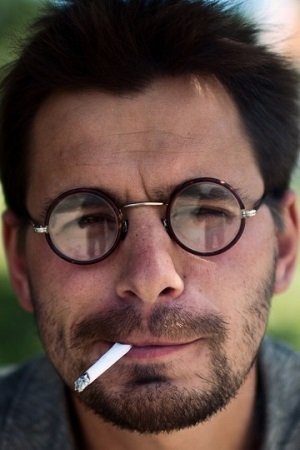
Oleksandr Techynskyi
Photographer
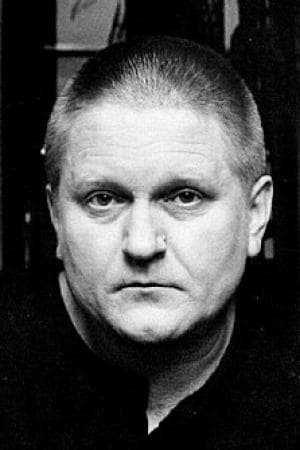
Sergey Russkin
Chapai
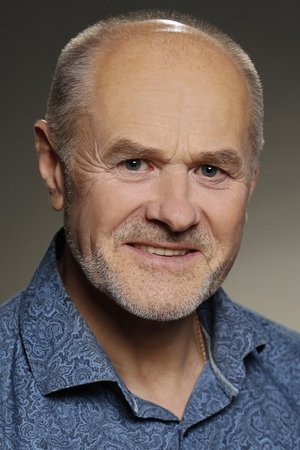
Petro Panchuk
Man in Bomb Shelter
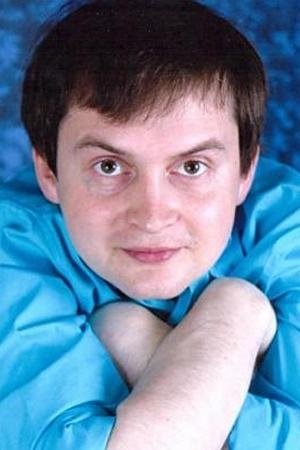
Daniil Makarov
Boy in Bomb Shelter
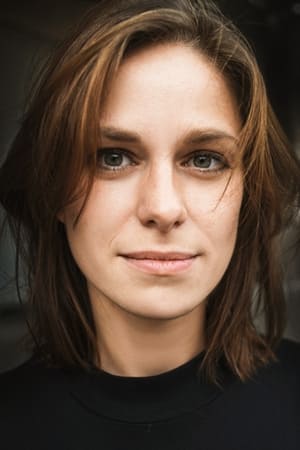
Irina Plesnyaeva
Pretty Woman

Halyna Kornieieva
Mother
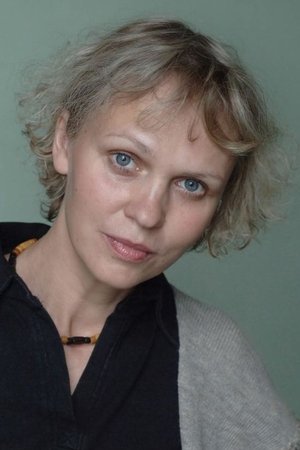
Zanna Lubgane
Coloured Blonde
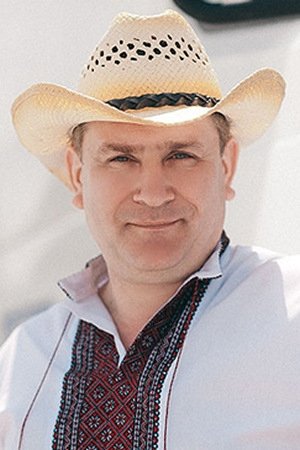
Vadym Dubovsky
Fat Faced Boss

Valeriu Andriuță
Commander
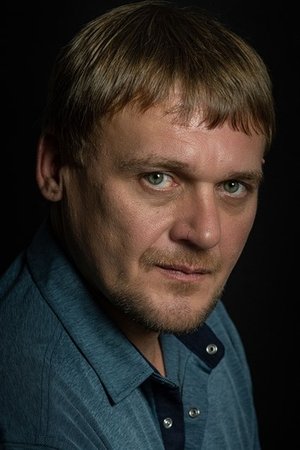
Serhii Smeian
Soldier in Balaclava
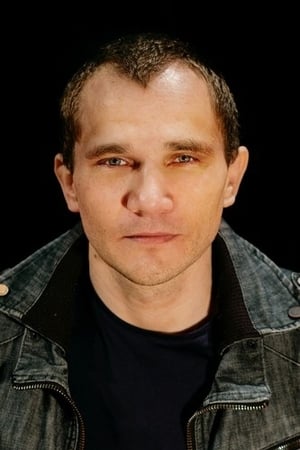
Alexander Zamuraev
Semyon
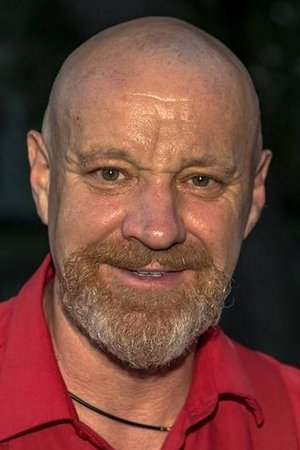
Georgiy Deliev
Batyana
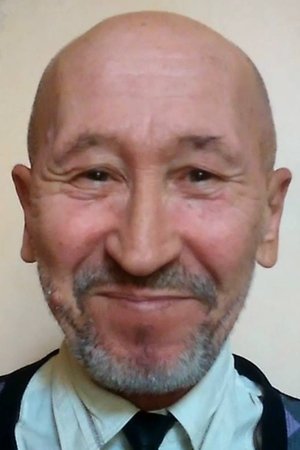
Valeriy Antonyuk
Captive
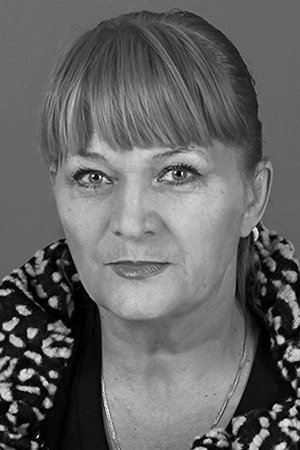
Iryna Kravchenko
Old Woman at the Bus Stop
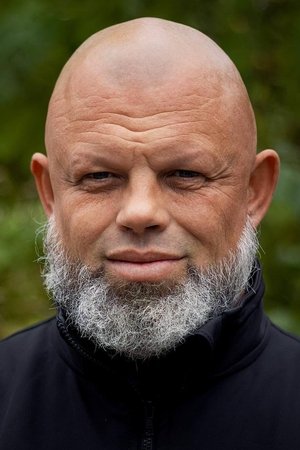
Valerii Pasichnyk
Commander at the Bus Stop
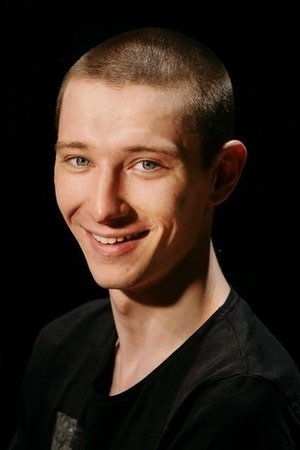
Konstantin Itunin
Guy in White Shirt

Evgeny Chistyakov
Guy with Skull
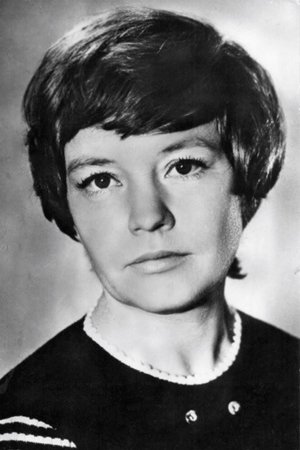
Nina Antonova
Old Woman in Black
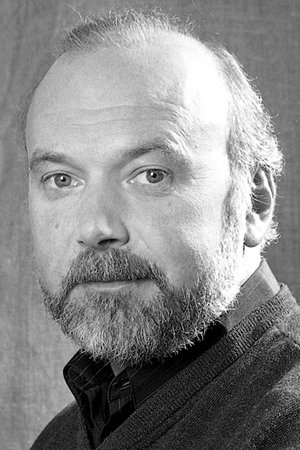
Viktor Aldoshyn
Old Man in White Hat

Olena Bondareva-Repina
Fat Woman
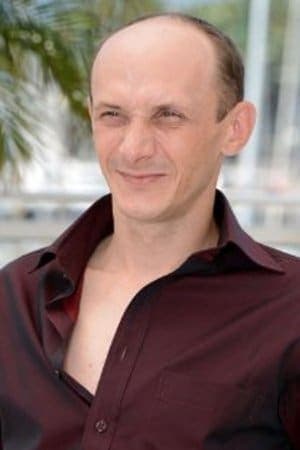
Sergey Kolesov
Bekha
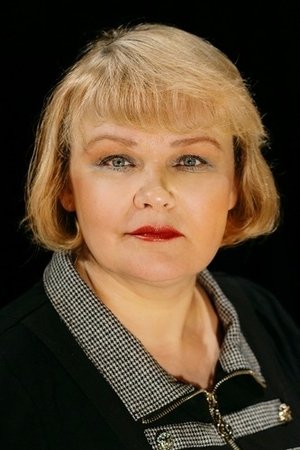
Svetlana Kolesova
Giurza

Natalya Buzko
Woman in Red
Trailer
Phim tương tự cho bạn

Áp Lực
Pressure

7.7 | Chiến Tranh

Palestine 36
Palestine 36
8.0 | Chiến Tranh • Chính kịch

13 Ngày Và Đêm
13 Days, 13 Nights: In the Hell of Kabul
6.7 | Hành Động • Chiến Tranh

Điệp Viên Ba Lan
The Partisan
6.1 | Chiến Tranh
Donbass
Donbass
6.6 | Chiến Tranh • Chính kịch

Tommy Guns
Tommy Guns
6.3 | Chiến Tranh

Fanfan la Tulipe
Fan-Fan the Tulip
7.1 | Hài Hước • Chiến Tranh

Frantz
Frantz
7.5 | Chiến Tranh

Fanny's Journey
Fanny's Journey
7.0 | Chiến Tranh

Enemy at the Gates
Enemy at the Gates
7.5 | Hành Động • Hài Hước

Nghệ Sĩ Dương Cầm
The Pianist
8.5 | Chiến Tranh • Âm Nhạc

Binh Đoàn La Mã
Centurion
6.3 | Hành Động • Tâm Lý

Grand Illusion
La Grande Illusion
8.1 | Chiến Tranh • Chính kịch

Cuộc Di Tản Dunkirk
Dunkirk
7.8 | Hành Động • Chiến Tranh

See You Up There
See You Up There
7.4 | Hài Hước • Chiến Tranh

Onoda, 10 000 nuits dans la jungle
Onoda: 10,000 Nights in the Jungle
7.2 | Chiến Tranh • Phiêu Lưu

Chuộc Lỗi
Atonement
7.8 | Chiến Tranh

Gió Thổi Trên Đồng Lúa Mạch
The Wind That Shakes the Barley
7.5 | Chiến Tranh • Chính kịch

D-Day: Normandy 1944
D-Day: Normandy 1944
7.0 | Chiến Tranh • Tài Liệu

Che: Part One
Che: Part One
7.1 | Chiến Tranh • Chính kịch

Kháng Chiến
Resistance
6.5 | Chiến Tranh • Chính kịch

Hannibal Trỗi Dậy
Hannibal Rising
6.1 | Chiến Tranh • Kinh Dị

Cuộc Đính Hôn Lâu Dài
A Very Long Engagement
7.6 | Tình Cảm • Tâm Lý

Nơi Tận Cùng Thế Giới
To the Ends of the World
6.3 | Tâm Lý • Chiến Tranh
Screens & Gallery




International Critic Reviews

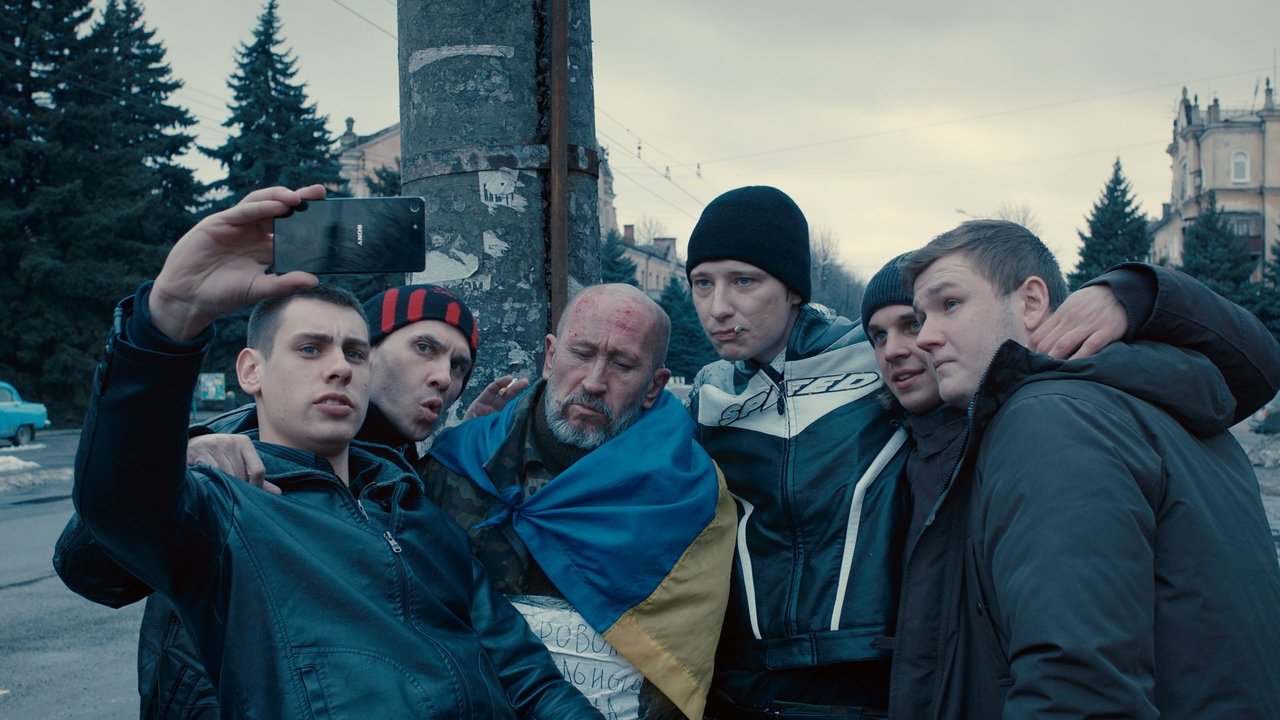
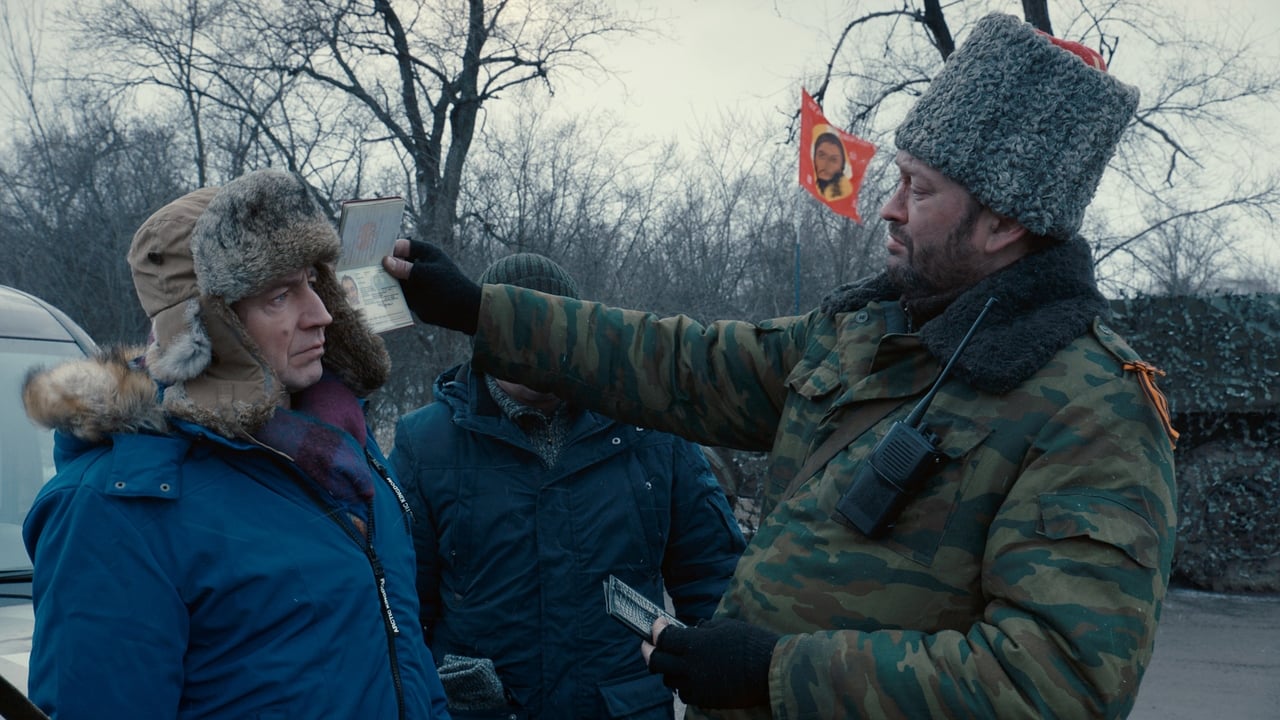
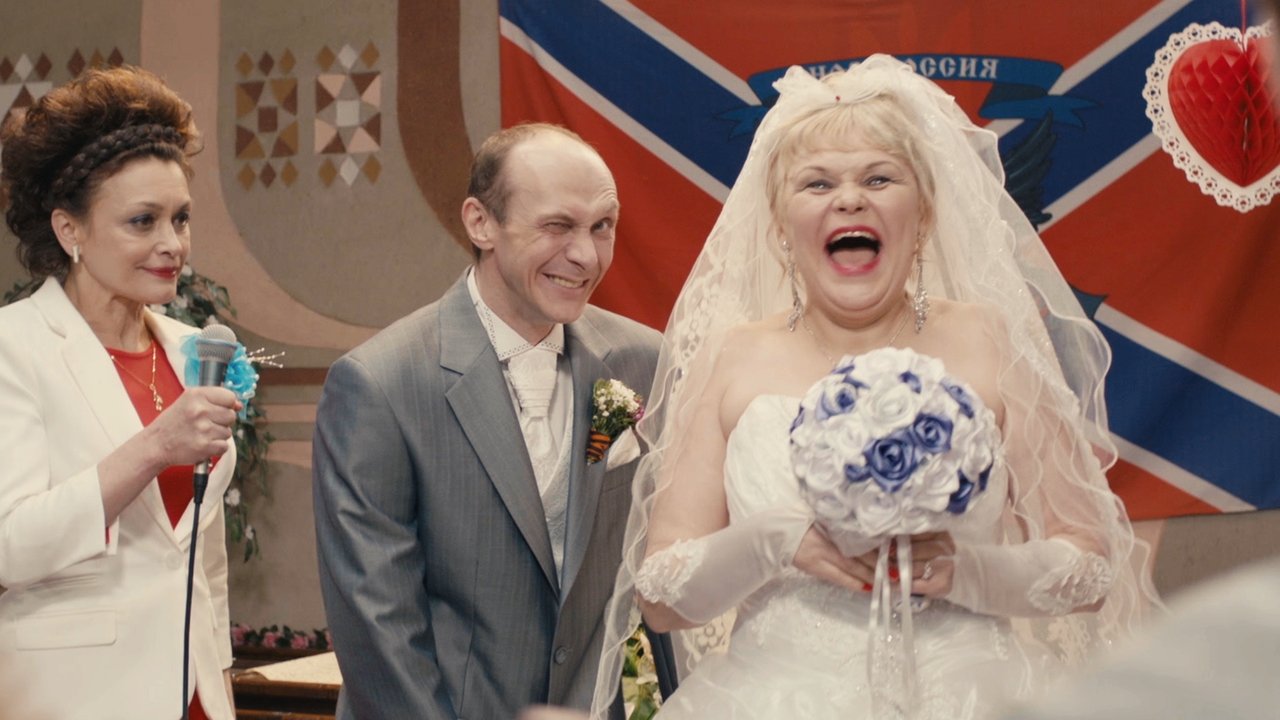
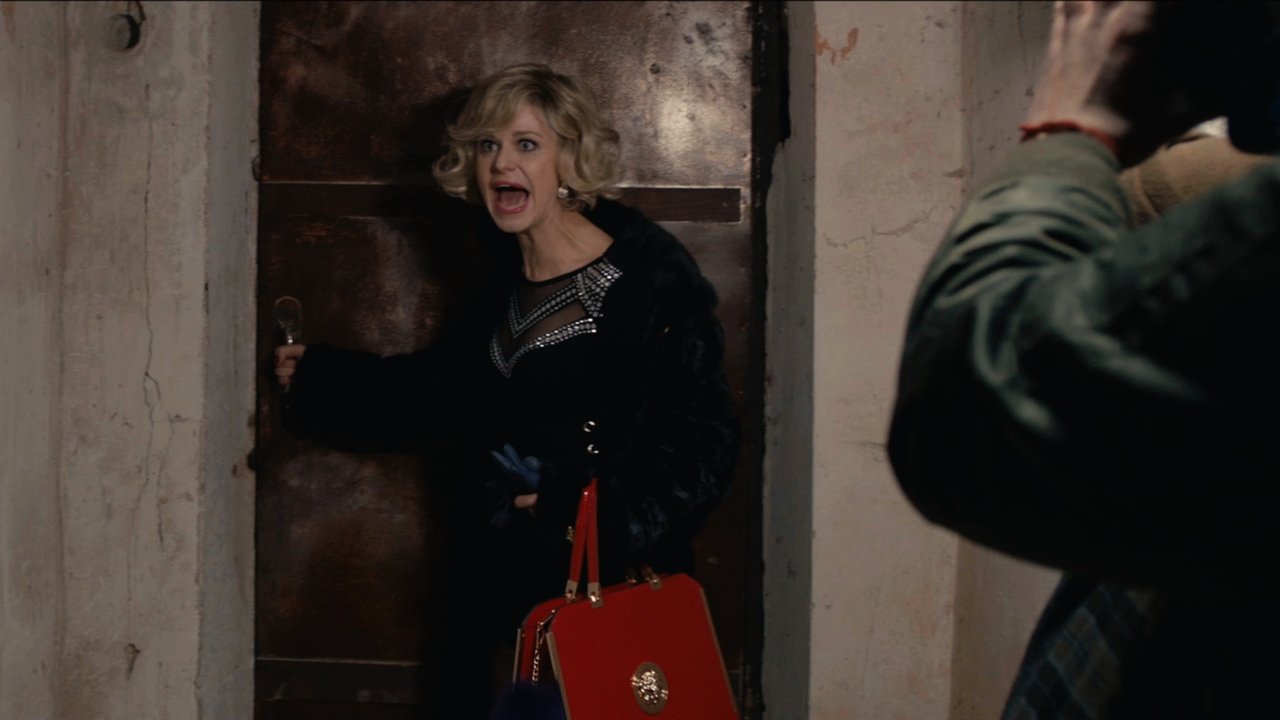
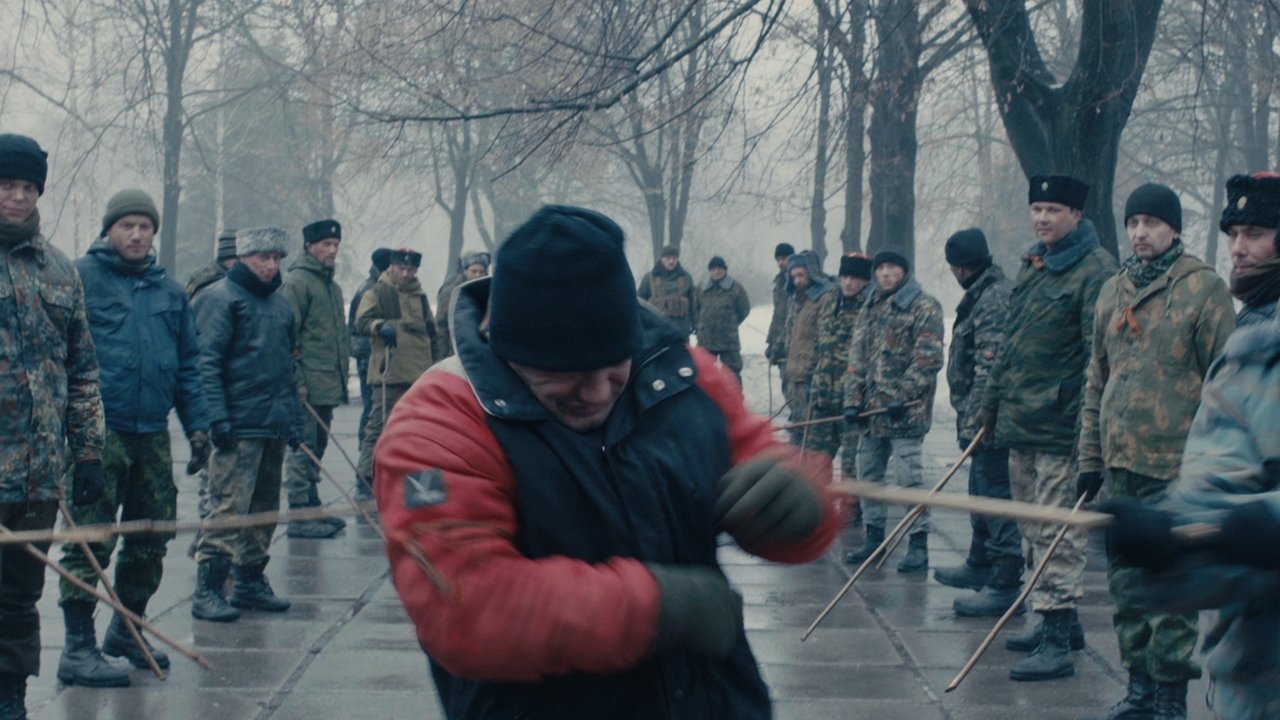
_**Angry, trenchant, and viciously satirical**_ >_Checkpoints and barricades made out of tires have been installed on the highways of the Донецьк [Donetsk] region of Донба́с [Donbass]. In the cities, administrative buildings have been seized. Groups of masked men armed with sticks and bats control the roads and search the passing transport. Using crowds of civilians as a shield, "the little green men" capture Ukrainian armoured vehicles The police and the authorities are nowhere to be seen. Cities are controlled by unidentified men in camouflage. It's like some apocalyptic movie suddenly be__came the reality and we're right in the thick of it.What began as peaceful demonstrations and comically awkward attempts at mimicking the events at Євромайдан [Euromaidan] is gradually turning into an outright uprising. Seasoned international correspondents compare the city of Слов'я́нськ [Slovyansk] with Чечня́ [Chechnya]. According to them, things are looking exactly like they did just before the Пе́рвая чече́нская война́ [first Chechen conflict] ensued: blocked streets, trucks parked across the roads, militant groups on the streets.As the death toll climbs, there's no sign that separatists intend stopping any time soon. When asked about their goals and objectives, all as one are firm: "we'll stand until the end". And to most of them, that end means separation from Ukraine._ - "Who's Behind Separatism in the Donbass?" (Denys Kazanskyi); The _Ukrainian Week_ (May 1, 2014) >_The action of the film takes place in the Donbass, a region of Eastern Ukraine, occupied by various criminal gangs. The fighting is going on between the Сухопутні Війська [Ukrainian regular army], supported by volunteers, and separatist gangs, supported by Russian troops. It is a hybrid war, happening alongside an open armed conflict, accompanied by killings and robberies on a mass scale, and a gradual degradation of the civilian population. There is fear, deception, hatred and violence everywhere. The society is collapsing, and death and deadly silence lie upon the place._ - Sergei Loznitsa; Director's Statement; _Donbass_ Production Notes In an era of fake news and alternative facts, when the public's familiarity with far-flung military engagements derives as much from civilian smartphones as it does from on-the-front-line reports for CNN or _The New York Times_, and where mass falsehoods promulgate like wildfire via questionable sources on social media, control of propaganda has become a key component of modern warfare. Focusing on the conflict in eastern Ukraine between Ukranian loyalists and Russian-backed separatists, writer/director Sergei Loznitsa (_Счастье мое_ [_My Joy_]; _Событие_ [_The Event_]; _Лагідна_ [_A Gentle Creature_]) adopts a savagely satirical and unapologetically ironic tone in _Донбас_ [_Donbass_] as he examines the corrosive effects hateful propaganda can engender at all levels of society. Depicting an absurdist horror show that would be darkly hilarious if it wasn't so tragic, the film presents the Donbass as a pseudo-Orwellian dystopia of endemic corruption, state-sanctioned discrimination, sycophantic bureaucracy, and unashamed media manipulation. There are no heroes here; everyone is tainted, from the generals and politicians calling the shots to the soldiers on the ground to the civilians caught up in the mayhem. The lack of a standard plot and the absence of a protagonist won't be to everyone's liking, whilst the complete dearth of any geo-political contextualisation will alienate others. It's also inevitable in that in a film built on individualised vignettes, some work considerably better than others. Nevertheless, this is sobering stuff, and as timely as it is despairing. _Donbass_ is made up of thirteen segments, each of which plays out in its entirety before we move onto the next. Relatively self-contained, the only real connection between segments is that each leads to the next via a particular character, who hands the narrative over to someone else (like a baton in a relay race). So, for example, a segment depicting a hospital administrator is followed by a segment in which that administrator is stopped at a checkpoint where a foreign journalist is being questioned about his passport and whom we follow into the next segment. And so on. No character, however, appears in more than two segments, so there's nothing even approaching a protagonist. Each segment is based on a documented real-life incident that took place in the Донецька Народна Республіка [Donetsk People's Republic] in 2014-2015, with several derived from amateur footage posted on YouTube. The film opens with a scene in which a group of people are having makeup applied, presumably on the set of a movie or TV show. The next segment sees a woman (Olesya Zhurakovskaya) dump a bucket of faeces over a politician (Grigory Masliuk), claiming he libelled her. Next, we see Mikhalych (Boris Kamorzin), a maternity hospital administrator, proudly showing his unenthusiastic staff that the hospital is fully stocked. This is followed by events at a roadblock, including a soldier (Igor Kirilchatenko) demanding food from a bus of civilians. A German journalist (Thorsten Merten) is then interrogated at the roadblock, followed by a news report from a bomb shelter. The next scene depicts a politician (Vadim Dubovsky) half-heartedly listening to a woman (Zanna Lubgane) who wants to tour a holy relic around the region. The issue of soldiers looting is examined next, followed by a section in which Semyon (Alexander Zamurayev) learns his stolen jeep has been recovered by the military. This is followed by the film's most disturbing scene, in which a captured soldier (Valery Antoniuk) is accused of being part of a Ukrainian "_extermination squad_", and is tied to a pole, ridiculed, and eventually beaten by a civilian mob. A wedding scene is next, before finally, we return to the makeup trailer where we began. Having covered the origins of the War in Donbass in documentary form in _Майдан_ [_Maidan_] (2014), Loznitsa is not especially interested in context in Donbass, partly because his point is that no amount of context can explain the absurdity of what is happening - scenes such as the captured Ukrainian soldier being abused by a mob don't acquire new meaning simply because one is familiar with the politics. Nevertheless, for the purposes of this review, a little background on the Ukrainian crisis is helpful. In November 2013, in response to President Viktor Yanukovych's U-turn regarding the signing of a Ukraine-European Union association agreement, deciding instead to establish closer ties to the Russian Federation rather than the EU, a series of demonstrations took place, collectively known as the Euromaidan movement. These protests culminated in February 2014 in a Revolution which saw the overthrow of Yanukovych. However, in response, Russian-funded anti-Revolutionary/pro-Yanukovych protests took place across east and south Ukraine, particularly in the Donbass region. These protests led to the establishment of the proto-states, Donetsk People's Republic and Луганська Народна Республіка [Luhansk People's Republic], and the proposed creation of Новоросія [Novorossiya], a confederation of the two states. The situation soon escalated into open conflict between the Russian-funded, and often Russian staffed, separatist forces, and the loyalist Ukrainian forces. As Loznitsa explains it in the film's production notes, > _one of the main reasons for this war, which has been going on since 2014, is the collapse of the USSR. Such collapse could be followed either by a fundamental reform and complete re-organisation of the society, or by its continuous gradual decay and destruction. In this particular case, the first option after the collapse of the USSR is a gradual reform aimed at the creation of a European developmental model (with the emphasis on the rights of the individual, rule of law, and protection of private property); the second option is the return to the totalitarian Soviet mode of existence. These two options are incompatible or rather mutually exclusive. Ukraine, at least the predominant part of its population, chooses the European way, whereas Russia is rapidly moving back to the USSR. It is also important to bear in mind that the Donbass is an industrial region, which developed in the first half of the 20th century. The region was industrialised largely by employing the free labour of GULAG prisoners. Their descendants have settled in the region, having created a very peculiar community based around the factories and labour camp barracks. In recent years, especially during the rule of the former Ukrainian president Yanukovich, who was a native of the Donbass, the territory became extremely criminalised. This is why, with military and financial help from the eastern neighbour, it became possible to divide this territory between paramilitary gangs and to usurp power in the aftermath of the Maidan revolution. The war goes on because Russia provides financial and military support to the separatist movement. Its goal is very simple - to prevent Ukraine from becoming an independent state._ Obviously drawing inspiration from Elem Klimov's masterful _Иди и смотри_ [_Come and See_] (1985), one of the greatest anti-war movies ever made, Loznitsa's aesthetic mastery of the filmic medium is breath-taking. A formalist in the very best sense of the term, and working with legendary cinematographer Oleg Mutu (_Moartea domnului Lăzărescu_; _4 luni, 3 săptămîni și 2 zile_; _Zjednoczone Stany Miłosci_), Loznitsa shoots _Donbass_ in the style of _cinéma vérité_, hand-held and as unmediated as possible. For much of the film, the audience is placed in the role of an eavesdropper; we're never inculcated into the events, nor are we ever presented with the subjective perspective of a participant - instead, we watch as if this were a news report (which, in a couple of segments, it actually is). Most of the segments are shot in single-takes, which has the effect of heightening tension to almost unbearable degrees, knowing that at any moment, a bomb blast could wipe out the cast or an idiot with a gun and a grudge could open fire (during the long wedding segment, I realised I was gripping the arms of my chair so hard that my fingers were sore - simply in anticipation of...something). In this sense, Loznitsa brilliantly evokes the unpredictability of war in a manner rarely seen in films with ten times the budget. The opening segment sets the tone brilliantly. Watching a group of people having makeup applied in a trailer, we think are on a film or TV set, but in actual fact, these people are being made up to appear in a "factual" news report as shell-shocked locals, complete with a director telling them what to say (basically to denounce the "fascist" loyalists as traitors), and a stage-managed warzone in the background. It's the very definition of fake news. This gambit immediately recalls Barry Levinson's superb _Wag the Dog_ (1997), in which a White House spin-doctor hires a Hollywood producer to "produce" a fake war so as to distract from a presidential sex scandal. And much like _Wag the Dog_, the comic tone with which _Donbass_ begins slowly gives way to something much darker, culminating in a deeply unsettling final scene that's as savagely ironic as anything you'll see all year. The film's dark comedy probably reaches its zenith in the scene where Semyon heads to a military barracks because he's been told the separatist forces have recovered his stolen jeep. Believing that he will be getting the jeep back, he instead discovers that the military want him to sign the car over to them. When he refuses, he's hit with an exorbitant fine and accused of being pro-fascist. Marched into another room, he finds that room full of men, all on their phones trying to raise funds to pay the fines they too have been hit with for refusing to sign over their cars. It's like something out of Douglas Adams - a room full of be-suited middle-class men all desperately trying to do the exact same thing. Thematically, each segment in _Donbass_ has its own target, whether it be a self-serving hospital administrator, a soldier abusing the power he has over civilians, or an uninformed mob interested only in blaming someone (anyone) for their misfortunes. No one escapes censure because no one is wholly innocent. Focusing on the misbehaviour of the separatist forces, however, accusations of fascism are everywhere – the mayor who has faeces dumped over him, the German reporter ("_if you aren't a fascist, then your grandfather was_" yells one soldier), the civilian occupants of a bus, Semyon, a soldier who proves reluctant to loot, the captured loyalist who is tied to a pole. This last instance is especially difficult to watch. Tied up by separatist forces who actively encourage passing civilians to verbally abuse him, things soon escalate to spitting and throwing food, and, ultimately, to brutal physical assault. When some of the thugs responsible for drawing a crowd and instigating the violence against him then attend a wedding in the following segment, they amuse themselves and the guests by showing smartphone footage of the man being beaten. Mind you, this is a group of people who respond to the bride wishing that her son is born "_with a rifle in his arms_" by cheering, so their moral calibre isn't sky-high. With a lack of any heroes, or even a protagonist with whom we can identify, the one tone that links the various segments is bitterness, a bitterness deeply ingrained in the souls of the people, who believe the lies they are being fed, with virtually every conversation returning in some way to issues of partisanship. One of the questions Loznitsa is asking is how one can broach reconciliation between people whose enmities run so deep. It's a question to which he has no answer; there is no kindness or compassion here. Crucially, Loznitsa is positing that the war is being fought as much with lies and propaganda as it is with weapons, and, certainly in the case of the separatist forces, amorality is simply an aspect of combat. These people are criminals as much as they are combatants, and are depicted as inherently unscrupulous, unconcerned with Ukraine or its people, even as they position themselves as the country's saviours. Indeed, Loznitsa explains, > _Donbass is not a region, but a concept, and it became possible because the criminal relations there are the basis of life, and many people living there have no ground under their feet. And this is a problem that any government in Ukraine will have to deal with, and we, its residents, will face it every day._ In terms of problems, although Loznitsa does depict loyalist forces here and there, most of his invective is aimed at the separatists, and in this sense, the film could be accused of being unbalanced. Another issue is the lack of any political contextualisation, with no explanation of who is fighting, nor what they are fighting for, as combatants are introduced without any kind of identification. That such lack of context can hamper the film a little is illustrated in a scene where the German journalist is interviewing a group of soldiers sitting on a tank. Asking them where they are from, they all declare they are Ukrainian, from Donbass. However, the journalist's translator finds this hard to believe, the implication being that they are actually Russians. Why the presence of Russians in a so-called Ukrainian army should be important, or why the men would lie about their birthplace, is never explained. I understand what Loznitsa is trying to do here - political context is irrelevant in a conflict built on lies and absurdity - but some kind of concession to an audience not familiar with the politics would have been immensely helpful. Another issue is that because there is no central character, there is no real emotional connection. We certainly feel sympathy with some (Semyon, the soldier tied to the pole), but there is never any real pathos. Again though, this is by design. A searing satirical portrait of a place where human interaction has devolved to a level just above barbarism, where kindness and empathy are signs of weakness, in the post-truth politics of _Donbass_, horror, violence, abuses of power, Orwellian propagation (and acceptance) of fake news, and war hysteria masquerading as patriotism are the order of the day. Novorossiya may not have come into being, but the Donbass of the film remains loyal to the motherland, irrespective of how much the motherland may lie. Loznitsa, however, doesn't see the conflict as a legitimate civil war; rather, this is gang warfare, with the concept of civil war used simply to cover-up and legitimatise criminality and the abuse of the working class. Donbass is a place where reality is a commodity, and its only value is in whether or not it can be sold to the masses. If it cannot, then it's worthless. Of course, this situation is not unique to Ukraine - this simulacrum of a functioning society is replicated all over the world, including the United States, where governmental deception and presidential falsehoods haven't reached the level of Donbass, but are certainly moving in that direction. And for people who still value concepts such as truth, honour, and inclusiveness, this is a worrying trend. Because when truth can no longer be used as a weapon, it must be replaced with something far more powerful and far more dangerous - lies.