

Phim lẻ
Parallel Mothers
Parallel Mothers
Nội dung
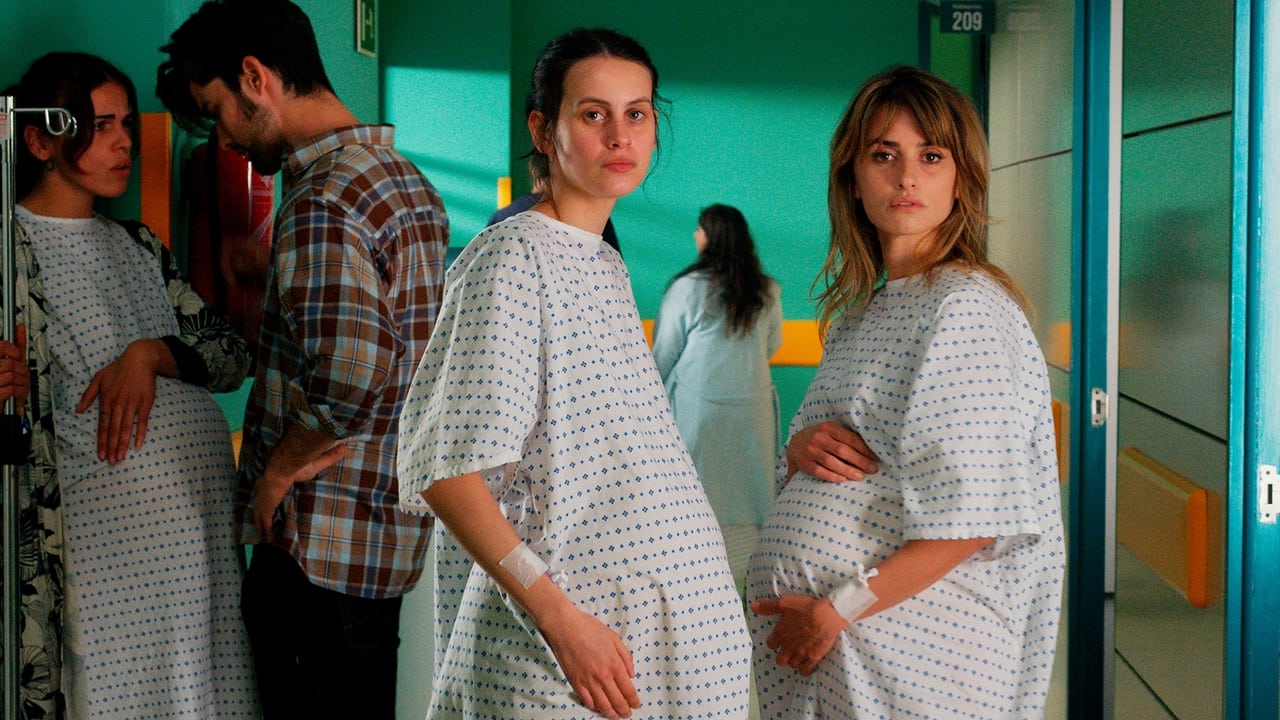
Hai người phụ nữ, Janis và Ana, trùng hợp trong một căn phòng bệnh viện nơi họ sẽ sinh con. Cả hai đều độc thân và mang thai một cách tình cờ. Janis, trung niên, không hối tiếc và cô ấy đang nổi dậy. Khác, Ana, một thanh thiếu niên, sợ hãi, ăn năn và bị chấn thương. Janis cố gắng khuyến khích cô ấy trong khi họ di chuyển như những người mộng du dọc theo hành lang bệnh viện. Một vài từ họ trao đổi trong những giờ này sẽ tạo ra một liên kết rất gần giữa hai người, mà tình cờ phát triển và phức tạp và thay đổi cuộc sống của họ một cách quyết định
Thông tin sản xuất
October 8, 2021
Ngày phát hành
$11,000,000
Ngân sách
$23,099,858
Doanh thu
Truy cập website
Website chính thức
Spain
Region (ES)

El Deseo
ES

TVE
ES
Đạo diễn
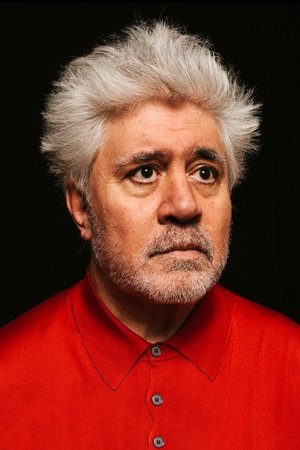
Pedro Almodóvar
Female
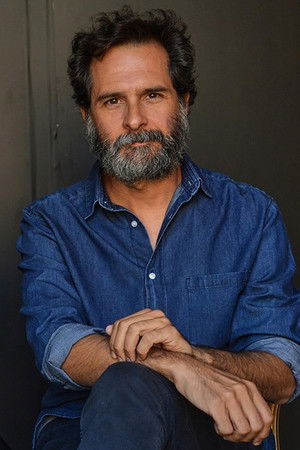
Manuel Calvo
Female

Yuyi Beringola
Male
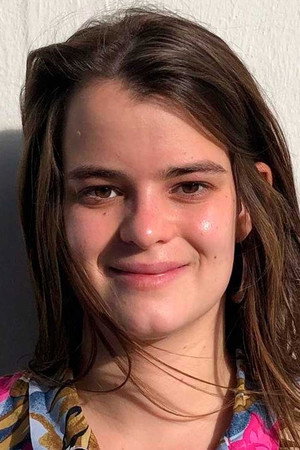
Júlia Marcos Lázaro
Male
Diễn viên

Penélope Cruz
Janis

Milena Smit
Ana

Israel Elejalde
Arturo

Aitana Sánchez-Gijón
Teresa
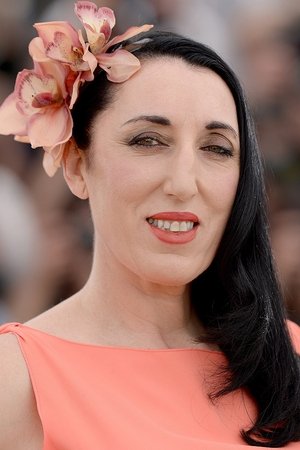
Rossy de Palma
Elena
Julieta Serrano
Brígida

Adelfa Calvo

José Javier Domínguez

Trinidad Iglesias

Inma Ochoa

Ana Peleteiro

Daniela Santiago

Chema Adeva

Agustín Almodóvar
Carmen Flores Sandoval
Dolores

Ainhoa Santamaría
Julio Manrique
María Jesús Hoyos

Mar Vidal
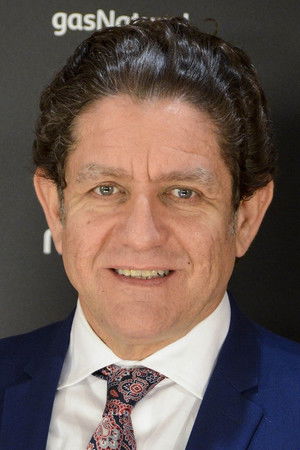
Pedro Casablanc
Trailer
Phim tương tự cho bạn

Wajma, Chuyện Tình Afghanistan
An Afghan Love Story

7.2 | Tình Cảm • Tâm Lý

June và John
June and John
6.0 | Tình Cảm

Chloe
Chloe
6.2 | Tình Cảm • Tâm Lý

The Lover
The Lover
6.8 | Tình Cảm • Tâm Lý

Bức Chân Dung Bị Thiêu Cháy
Portrait of a Lady on Fire
8.0 | Tình Cảm • Tâm Lý

Tôi Là Dalida
Dalida
6.9 | Tình Cảm • Tâm Lý

Marie Antoinette
Marie Antoinette
6.5 | Tình Cảm • Tâm Lý

Oblivion Verses
Oblivion Verses
6.5 | Tình Cảm • Tâm Lý

Girl with a Pearl Earring
Girl with a Pearl Earring
6.9 | Tình Cảm • Tâm Lý

Yêu Nữ Thích Hàng Hiệu
The Devil Wears Prada
7.0 | Tình Cảm • Tâm Lý

Raw
Raw
6.9 | Tình Cảm • Tâm Lý

Blue Is the Warmest Colour
Blue Is the Warmest Colour
7.6 | Tình Cảm • Tâm Lý

Bright Star
Bright Star
6.9 | Tình Cảm • Tâm Lý

Jackie: De Nhat Phu Nhan
Jackie
6.6 | Tình Cảm • Tâm Lý

The Lovers on the Bridge
The Lovers on the Bridge
7.6 | Tình Cảm • Tâm Lý

Nymphomaniac: Vol. II
Nymphomaniac: Vol. II
6.6 | Tình Cảm • Tâm Lý

Người Đàn Bà Cuồng Dâm: Phần 1
Nymphomaniac: Volume I
6.9 | Tình Cảm • Tâm Lý

My Summer in Provence
My Summer in Provence
6.6 | Tình Cảm • Tâm Lý

Le hérisson
Le hérisson
7.3 | Tình Cảm • Tâm Lý

Landscape in the Mist
Landscape in the Mist
7.9 | Tình Cảm • Tâm Lý

The Kindness of Strangers
The Kindness of Strangers
6.5 | Tình Cảm • Tâm Lý

Nàng Lolita
Lolita
6.8 | Tình Cảm • Tâm Lý

Vẻ Đẹp Bị Đánh Cắp
Stealing Beauty
6.5 | Tình Cảm

Now You See Me
Now You See Me
7.2 | Tình Cảm
Screens & Gallery








International Critic Reviews

FULL SPOILER-FREE REVIEW @ https://www.msbreviews.com/movie-reviews/parallel-mothers-spoiler-free-review "Parallel Mothers holds an unexpectedly shocking narrative about motherhood, featuring two remarkable performances from Penélope Cruz and Milena Smit. Despite some dull soap-opera moments and a few uninspiring technical attributes, Pedro Almodóvar offers a captivating, genuine, emotionally powerful story that puts the spotlight on imperfect mothers. Boasting clear direction and a no-nonsense approach, the eponymous parallelism is continuously present throughout the runtime, making this a consistent viewing. Definitely, a worthy awards contender for Spain." Rating: B
Parallel Mothers bespeaks a creative fatigue on the part of writer/director Pedro Almodóvar. Not only is it too similar to his very uneven Julieta from just six years ago, but also rather hard to take seriously – and there is no reason that we should have to or even that he would want us to; the Switched at Birth trope is the stuff of soap operas, and that’s precisely why it would work wonderfully, as that sort of material has in the past, in one of his comedies, but here Almodóvar actually plays it straight, and he goes as far as to throw in a Guerra Civil subplot just so there is no doubt that he means business, and that It Would Be Wrong for us to laugh at this implausible melodrama (though it may be the first melodrama wherein a shot of curtains blowing in the wind actually leads into a lovemaking scene as opposed to standing in for it). At least Julieta had the benefit of brevity. Conversely, Mothers has some glaring time management issues that result in an unjustifiable 120-minute length. Consider this: Teresa has to tell her daughter Ana that the play she’s starring in is going on a tour of the provinces, as a consequence of which the former is going to leave the latter alone in Madrid with Ana’s newborn baby. A development that ends up having little to no bearing on the plot, and could and should be handled with a couple of throwaway lines of dialogue, is prefaced by a long monologue from Teresa’s play. Why no just cut directly to the scene of Teresa telling Ana the news? (additionally, Almodóvar milks the ‘mystery’ of the baby swap for all it’s worth; the problem is that it isn’t worth squat because we catch on to it ages before the characters do, and whatever suspense the filmmakers hopes to build amounts to zilch since we’re all just waiting for the other shoe to drop). I’m not saying that the monologue, from a play by García Lorca, doesn’t have some hidden significance; as a matter of fact, I’m completely sure that it has a lot of not-at-all-hidden significance: García Lorca was murdered at the beginning of the Spanish Civil War and his remains have never been found; meanwhile, there is in Mothers some business about the digging of an unmarked mass grave from the first few days of the war that Almodóvar keeps returning to, but where he should have never gone in the first place. On the one hand it draws from cold, hard facts that are fully incompatible with the unlikely events of the far-fetched central narrative, and on the other it is a shameless excuse for a sanctimonious final shot so emotionally manipulative that it needs to be seen to be believed.
Parallel Mothers: Ghosts That Won't Be Buried Pedro Almodóvar has always had something to say, but "Parallel Mothers" may be his most ambitious statement to date. This is a film that operates on multiple registers simultaneously: a motherhood story wrapped inside a love triangle wrapped inside a political warning so urgent it reverberates far beyond Spain's borders. The story of mothers and babies here is no mere melodrama. It's a direct metaphor for the mothers whose children were "disappeared" under Franco's fascist regime, stolen and never returned, their fates buried in unmarked graves that Spain has been reluctant to excavate. Almodóvar understands that allowing a fascist government is not without future consequences. Failing to understand history will doom your children and grandchildren to a future you would never want for them. This is a clear warning for the USA to rise up against fascism, and equally for France, the UK, and other Western democracies flirting with authoritarianism. Spain is not the only country haunted by this "Memory." Patricio Guzmán's "Nostalgia for the Light" (2010) explored similar terrain in Chile, documenting how Pinochet's "disappeared" continue to shape generations. Visually, Almodóvar remains a master. His signature bold colors, meticulous compositions, and sumptuous production design create a world that feels both heightened and achingly real. Penélope Cruz delivers phenomenal character work as Janis, embodying the film's complex relationships with nuance and grace. Milena Smit matches her step for step as Ana, rising to Cruz's level with a performance that feels both raw and deeply considered. Every collaboration between Almodóvar and Cruz has been exceptional, and this may be their finest. But perhaps what's most remarkable is how "Parallel Mothers" brings Almodóvar's early work, "The Law of Desire," full circle. This is a treatise on the fluidity and limitlessness of love and desire. Humans are not truly binary, not male or female in rigid categories. The world is a large family, and acceptance, Almodóvar argues, is the only answer. Love, in all its forms, is what survives when political systems crumble and history tries to bury the truth. "Parallel Mothers" doesn't just ask us to remember. Every "disappeared" person was some mother's baby. The film is a call to action before memory becomes the only inheritance we leave behind.